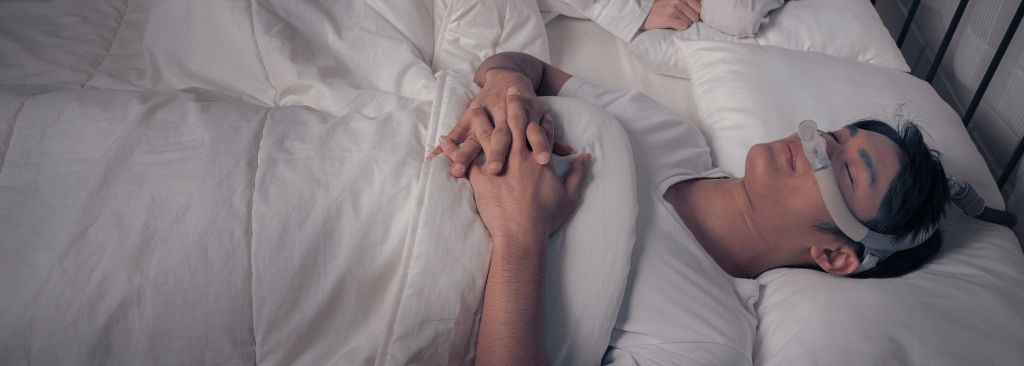


Medical equipment has a way of becoming part of the room. An oxygen tube runs across the living room to a favorite chair. A CPAP cord tucks in beside the bed. A walker gets parked in the same spot every evening because that’s where it’s easiest to grab in the morning.
After a few weeks, you stop seeing any of it. That’s normal, and it’s usually a sign the equipment is doing its job. But the walking routes you use every day don’t stay the same. Reviewing medical equipment fall risks at home starts with noticing where those routes cross tubing, cords, or a parked device.
These risks can be easy to overlook in an otherwise familiar room. Taking a few minutes to review the setup can help you spot them.
In This Article
- What medical equipment fall risks should you check at home?
- Why equipment-related risks are easy to miss
- Oxygen tubing and walking paths
- CPAP and BiLevel equipment near the bed
- Mobility equipment and clear access
- Nighttime trips deserve extra attention
- A simple home equipment safety review
- Equipment and fall prevention FAQ
What Medical Equipment Fall Risks Should You Check at Home?
Prescribed equipment supports your health and independence. Still, loose tubing, power cords, crowded walkways, low lighting, and poorly placed devices can create trip hazards. A safer setup keeps your everyday walking routes clear without changing your equipment, your tubing, or the therapy your provider prescribed.
Falls are the leading cause of injury for adults 65 and older, and more than one in four older adults report falling each year, but many of those falls are preventable.
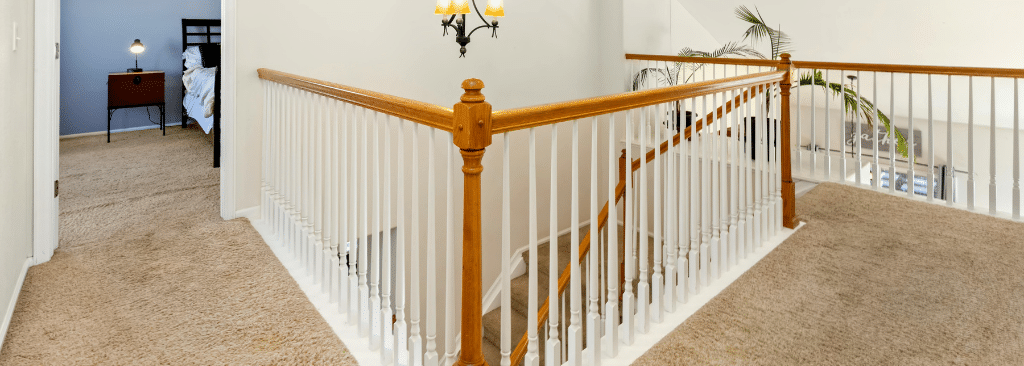
Why Equipment-Related Risks Are Easy to Miss
Familiarity is the main reason. When something has been in the same place for months, your eye skips right over it.
A few other things can add up, though they won’t apply to everyone:
- Tubing and cords blend in. Clear or light-colored tubing on light flooring is genuinely hard to see, especially in dim light.
- Walking routes change during the day. The path to the kitchen at noon isn’t the path to the bathroom at 2 a.m.
- Other things in the room interact with tubing. Pets, chair legs, rug edges, and the wheels or feet of a walker can all catch a line that’s lying loose.
- How you feel changes, too. Fatigue, weakness, vision changes, balance changes, or a new device you’re still learning can make a familiar room less predictable. According to the National Council on Aging’s fall-prevention guidance, vision loss nearly doubles fall risk, while lower-body weakness and balance difficulties are also recognized risk factors.
None of this means your home is unsafe. It means a short review every so often is worth the few minutes it takes.
Oxygen Tubing and Walking Paths
If you use home oxygen therapy, tubing length is what gives you the freedom to move around your house. It’s also the part most likely to end up somewhere you didn’t intend.
Worth noticing:
- Where the tubing crosses a doorway. Doorways are narrow, frequently used, and often a transition point between flooring types, which makes a line underfoot more noticeable.
- Where slack collects. Extra tubing tends to pool near the chair or bed where you spend the most time. That’s usually the same place you stand up and turn.
- What the tubing can catch on. Chair legs, table bases, and mobility device frames can snag tubing as you move past.
- How visible it is. Low-contrast tubing on a light floor is harder to see, and harder still at night.
The most useful thing you can do is understand how your setup is meant to work, including where the concentrator belongs, how much tubing you have, and what the manufacturer’s instructions say.
If you’re thinking about shortening the tubing, adding a connector, securing a line with tape or clips, or moving your concentrator to another room, contact Rotech first. Those changes may conflict with your equipment instructions, and your Rotech team can tell you what’s appropriate for your specific setup.
CPAP and BiLevel Equipment Near the Bed
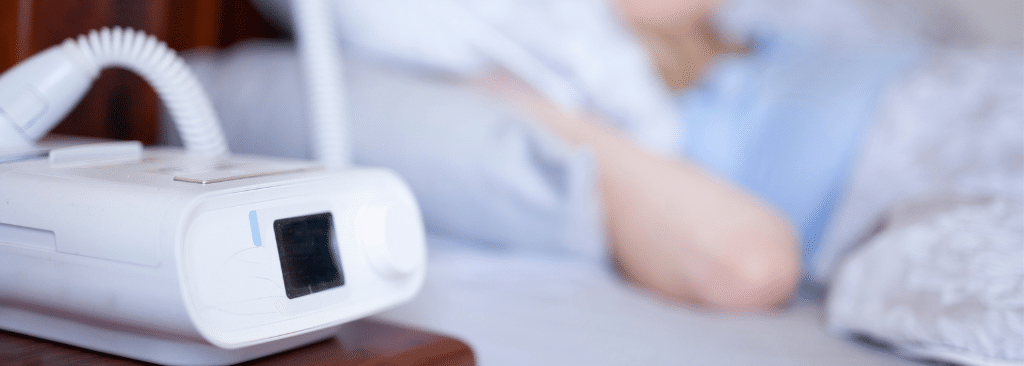
A bedside setup includes a power cord, a hose, and sometimes a humidifier, all in the space you walk through when you get up at night. If you use CPAP or BiLevel therapy, it’s worth looking at that area the way you’d see it while half-awake.
Things to check:
- Does the power cord cross the route between your bed and the bathroom? That’s the single most-traveled path in most bedrooms after dark.
- Where does the hose hang when you’re not using it? A hose draped toward the floor is easy to step into on the way up.
- Is the machine somewhere it could get bumped or pulled? A device near the edge of a nightstand could fall down if the hose catches.
- Could water end up on the floor? If you use a humidifier, spills near a walking surface are worth planning around.
- Do you have to reach or twist to turn it on? Awkward reaching from the edge of the bed may affect your balance.
Keep the setup stable, within easy reach, and consistent with your manufacturer’s instructions. If you’re unsure whether your placement is appropriate, ask your Rotech team rather than improvising with an accessory.
Mobility Equipment and Clear Access
A walker or cane only helps if it’s within reach when you need it and out of the way when you don’t.
- Park it where you can reach it from a seated position without blocking the path someone else uses.
- Leave enough room to turn and use the device as instructed, especially in tighter spaces such as bathrooms and hallways. Wheelchairs and walkers need more clearance than most people estimate.
- Don’t overload the basket. A heavy or unbalanced basket changes how a walker handles.
- Keep everyday items at a comfortable height so you’re not reaching or climbing for them.
- Ask for help if things have changed. If transfers feel harder or your balance isn’t what it was a few months ago, talk with your healthcare team instead of trying to work around it.
Rotech offers home medical equipment, including mobility and support equipment. Before changing how a walker, cane, or wheelchair is fitted or used, talk with your provider or therapist. Height and fit are set for a reason.

Nighttime Trips Deserve Extra Attention
Many of the conditions that make a room harder to move through can happen at the same time: It’s dark, you’re not fully awake, you may be in a hurry, and you might be moving without your glasses or mobility equipment.
Tubing and cords that are easy to see at noon can be difficult to spot at 2 a.m.
Turning on a light before you move and keeping prescribed mobility equipment (walkers, wheelchairs, etc.) within reach can make the route easier to see and use. If you feel dizzy or unsteady when standing, talk with your healthcare provider about the safest way to get up.
Every home is different, so there’s no single right layout. The goal is simply that the path you walk most often in the dark is the one with the fewest surprises.
A Simple Home Equipment Safety Review
Walk through this list now and again whenever something changes:
- Name your most-used walking routes. Bed to bathroom, chair to kitchen, front door to living room.
- Look at whether tubing or cords cross those routes and where slack collects.
- Clear unrelated clutter from those paths, including shoes, baskets, magazine stacks, and pet bowls.
- Check the lighting near the bed, the bathroom, and wherever your equipment sits.
- Confirm that each device is on a stable, level surface where it won’t be pulled or tipped.
- Make sure mobility devices are reachable from where you sit and sleep.
- Keep emergency and equipment-support numbers somewhere easy to find, not saved only in a phone across the room.
- Repeat this after new equipment arrives or after any change in strength, balance, or vision.
- Ask Rotech before changing equipment placement, tubing, cords, or accessories.
- Ask your healthcare provider whether a formal fall risk or home-safety assessment would be helpful.
Don’t unplug, reroute, shorten, or secure prescribed equipment on your own. If something about the setup isn’t working, that’s a call, not a DIY fix.

How Rotech Can Help
Rotech supports patients and caregivers in understanding how prescribed equipment is set up, used, and troubleshot at home.
The support available depends on your equipment, your provider’s orders, and your local Rotech location. It may include:
- Equipment setup and patient education
- Guidance on your oxygen equipment
- CPAP and BiLevel support
- Replacement supplies
- Troubleshooting when something isn’t working correctly
- Service through Rotech locations across the country
Call your Rotech team if you have questions about where a concentrator sits, how tubing or a hose is positioned, or whether your current setup still works for you.
Frequently Asked Questions About Medical Equipment and Fall Prevention
Can oxygen tubing become a trip hazard?
Yes, depending on where it lies. Keeping tubing away from feet and furniture is important for fall prevention among people who use oxygen. Tubing that stays clear of doorways and frequently used paths is generally less concerning than tubing that crosses them.
Should oxygen tubing cross a doorway?
Doorways are narrow and heavily used, so tubing that runs across one is worth a closer look. If your current setup requires tubing to cross a doorway, contact Rotech to discuss the setup rather than rerouting or shortening the tubing yourself.
Can I shorten or replace oxygen tubing on my own?
No. Tubing length and connections may affect your prescribed equipment setup. Contact Rotech or your healthcare provider before changing tubing length, adding connectors, or using a different product.
Where should a CPAP machine be placed?
Place your CPAP machine on a stable, level surface within comfortable reach of the bed. Follow the manufacturer’s instructions, and check that the cord and hose aren’t crossing your main walking path. If you’re unsure about the setup, contact your Rotech team.
How can I keep CPAP cords away from walking paths?
Start by identifying the route you use between the bed, door, and bathroom. Contact Rotech if you need help reviewing placement options that keep the power cord away from that path. Don’t tape, bundle, extend, or reroute cords on your own.
What should I do if tubing keeps catching on my walker or furniture?
Stop moving so you don’t pull against the tubing, and contact Rotech for help reviewing the setup. Don’t reroute, shorten, or secure the tubing on your own.
Should I move my oxygen concentrator to another room?
Ask Rotech first. A different location may affect the power source, tubing setup, or manufacturer placement requirements.
What can caregivers check during a home-safety review?
Walk the routes the patient actually uses, note where tubing or cords cross them, check lighting near the bed and bathroom, confirm equipment is stable and reachable, and make sure support phone numbers are posted. Report anything that requires an equipment change rather than making the adjustment independently.
When should I ask for a professional fall-risk or home-safety assessment?
Ask your healthcare provider whether an assessment would be helpful after a fall or near-fall, after a hospital stay, or when your balance, strength, or vision changes. CDC reports that falling once doubles the chance of falling again, and its STEADI resources help healthcare providers screen for fall risk and plan next steps.
Who should I call with equipment-placement questions?
Contact your local Rotech location for questions about setup, placement, tubing, cords, or supplies. For medical, balance, or mobility concerns, talk with your healthcare provider.

Keep Your Equipment Working for You
Your equipment is there to help you keep doing what you want to do at home. Reviewing the setup now and then can help keep everyday walking routes clear without changing your prescribed therapy.
When something about the placement doesn’t feel right, ask before you adjust it. That’s what your team is here for.