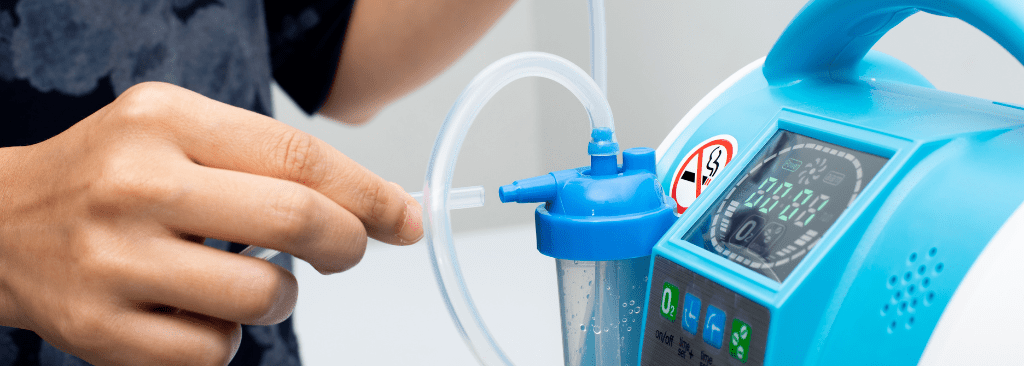


Hospital discharge is not the finish line for patients who need non-invasive ventilation (NIV). For many patients, it is the point where therapy either becomes part of the home routine or starts to break down.
A patient may leave the hospital with the right order, the right clinical indication, and the right intent. However, if the home NIV setup is delayed, the mask does not fit well, caregivers are unsure what to do, or follow-up does not happen soon enough; the therapy may not be used as prescribed.
That is why timely NIV setup after hospitalization is about more than equipment delivery. For discharge planners, case managers, respiratory therapists, pulmonologists, and referral teams, it is part of a larger transition strategy: helping appropriate patients move from hospital-based stabilization to supported home therapy.
Why Does Timely NIV Setup Matter After Hospitalization?
For appropriately selected patients, the transition from hospital to home is a high-risk point in care. NIV success depends on more than sending a patient home with a device; it also depends on setup, education, mask comfort, caregiver confidence, troubleshooting, and follow-up.
Clinical evidence supports home NIV for selected patients with chronic hypercapnic COPD, but patient selection and timing matter. The American Thoracic Society recommends reassessing patients for long-term NIV 2–4 weeks after resolution of acute-on-chronic hypercapnic respiratory failure, rather than routinely initiating long-term NIV during the hospitalization itself.1
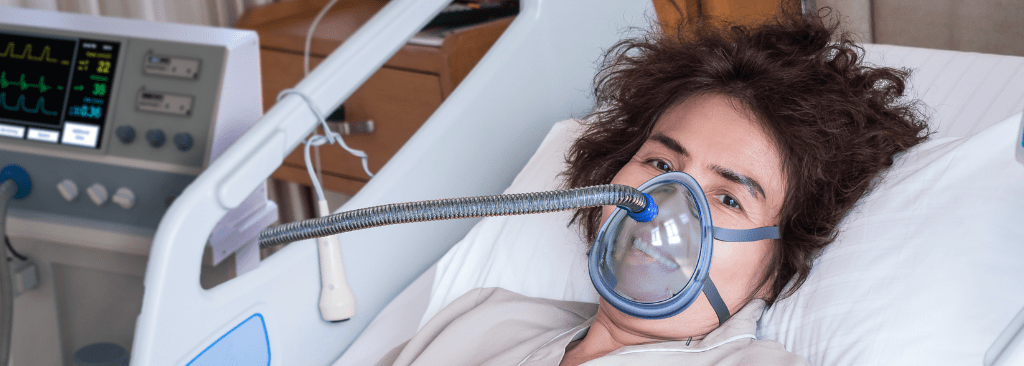
The Hospital-to-Home Gap for Patients Who Need NIV
The first days and weeks after discharge can expose gaps that were not obvious in the hospital.
A patient may understand the plan during discharge teaching but feel unsure once they are home. A caregiver may not know how to respond to mask leaks, alarms, pressure discomfort, or anxiety during the first few nights. A referral team may assume the therapy is established once the order is placed, even though the patient still needs setup, education, and follow-up support.
Common transition challenges include:
- Delayed home NIV setup
- Mask or interface discomfort
- Confusion about when and how to use the device
- Anxiety or claustrophobia
- Caregiver uncertainty
- Questions about supplies or cleaning
- Difficulty reaching the right contact for troubleshooting
- Missed follow-up after the patient leaves the hospital
These details matter because patients are not just learning a device; they are building a therapy routine they need to feel comfortable using at home.
Why Patient Selection and Timing Matter
Home NIV is most effective when the right patients are identified, reassessed when appropriate, and supported with follow-up that helps therapy continue at home.
Evidence is strongest for selected patients with severe COPD and persistent hypercapnia after an acute exacerbation. In the HOT-HMV randomized clinical trial, patients with persistent hypercapnia 2–4 weeks after resolution of respiratory acidemia were assigned to home oxygen alone or home oxygen plus home NIV. The study found that adding home NIV significantly prolonged median time to hospital readmission or death from 1.4 months to 4.3 months.2
That finding is important, but it should be applied carefully. It does not mean every patient hospitalized with COPD should begin long-term NIV immediately. It does support the importance of identifying appropriate patients, reassessing when indicated, and making sure the transition to home therapy is structured and supported.
The American Thoracic Society guideline also suggests nocturnal NIV in addition to usual care for patients with chronic stable hypercapnic COPD and recommends screening for obstructive sleep apnea before initiation of long-term NIV.1
What Can Get in the Way of NIV Adherence at Home?
Even when the clinical need is clear, NIV can be difficult for patients to adjust to at home.
Some patients struggle with the mask. Others feel anxious, have trouble sleeping, or remove the device during the night. Caregivers may not know whether a problem is expected, urgent, or simply part of the adjustment process.
Common adherence barriers include:
- Mask leaks or poor fit
- Skin irritation or pressure points
- Dryness or discomfort
- Difficulty tolerating pressure settings
- Anxiety or claustrophobia
- Trouble understanding device alarms
- Uncertainty about cleaning or supplies
- Lack of caregiver confidence
- Delayed troubleshooting after setup
A 2024 review in CHEST notes that successful long-term NIV in COPD depends on practical details such as an adequate interface, appropriate ventilator settings, comfort, synchrony, and adherence. The review also notes that inadequately adjusted long-term NIV may not be tolerated or effective.3
For referral teams, that reinforces a simple but important point: setup quality and follow-up are part of therapy success.
How Follow-Up Can Support NIV Success
Follow-up helps close the gap between “equipment delivered” and “therapy established.”
After setup, patients may need help adjusting to the device, addressing mask issues, understanding supplies, or knowing what to do if symptoms or equipment concerns arise. Caregivers may also need reassurance and clear instructions, especially when the patient is medically complex or newly discharged.
Strong NIV follow-up may include:
- Checking whether the patient understands when and how to use the device
- Reviewing mask fit and comfort
- Addressing leaks, dryness, alarms, or pressure discomfort
- Reinforcing patient and caregiver education
- Coordinating supply replenishment
- Helping patients know who to call with concerns
- Communicating relevant updates when appropriate
For hospital teams, this kind of follow-up can help reduce avoidable confusion after discharge. It also gives patients and caregivers a clearer path for support once they are outside the hospital setting.
How NIVNow™ Supports Patients After Discharge
Our NIVNow™ program is designed to help patients manage non-invasive ventilation successfully at home. Through NIVNow™, our team supports patients and caregivers with education, compliance coaching, follow-up, and access to clinical support.
NIVNow™ services include:
- Individual plans of care
- Patient and caregiver education
- Customized ventilator therapy compliance coaching
- Ongoing in-home follow-ups with a respiratory clinician
- Portable ventilators to help patients remain as active as possible
- Supply replenishment
- A dedicated hotline for 24/7 clinical support
For referral teams, that means the NIV transition does not end when the equipment is arranged. Our goal is to help patients understand their therapy, feel more confident using it, and stay connected to support after discharge.
What Referral Teams Should Expect from a DME Partner
For patients who need home NIV, a DME partner should do more than deliver a device.
Discharge teams should look for support that helps reduce friction before and after the patient goes home, including:
- Clear communication with the referral team
- Timely setup coordination
- Patient and caregiver education
- Respiratory therapy support
- Help with mask/interface questions
- Supply and replenishment support
- Follow-up after setup
- A clear path for troubleshooting
This matters because the transition from hospital to home is where small gaps can quickly become large barriers. A patient who does not understand the device may stop using it. A caregiver who does not know who to call may wait too long to ask for help. A mask issue that could have been corrected early may become a reason for nonuse.
With the right support, referral teams can help patients leave the hospital with a more complete plan for home therapy.

Where NIV Fits into Broader Respiratory Support
NIV is often one part of a larger respiratory care plan. Some patients may also need oxygen therapy, COPD support, sleep therapy, airway clearance, or other home medical equipment based on their diagnosis and provider’s orders.
Rotech’s respiratory and home medical services are designed to support patients across a range of needs, including ventilators, home oxygen therapy, sleep apnea therapy, wound care solutions, diabetes self-management solutions, airway clearance therapy, nebulizers, and home medical equipment.
For patients with COPD who need additional post-discharge support, our COPDBridge™ program is another example of how structured follow-up, education, and monitoring can help patients manage care at home.
You can also explore our broader Products & Services to learn more about the home medical and respiratory support available through Rotech.
Related Reading for Respiratory and Discharge Teams
You may also find these resources helpful:
- What Makes a Successful Home NIV Transition? A Practical Guide for Discharge Teams
- What to Do When You Feel Short of Breath With COPD
- NIVNow™ Resources
Helpful Rotech Resources
For teams looking for program or referral support, these pages may also be useful:

Frequently Asked Questions
Which patients may need home NIV after hospitalization?
Patients who may be considered for home NIV after hospitalization include selected individuals with chronic respiratory failure or persistent hypercapnia, depending on their diagnosis, clinical status, and provider assessment. For COPD specifically, the American Thoracic Society guideline addresses long-term NIV for chronic stable hypercapnic COPD and recommends reassessment 2–4 weeks after resolution of acute-on-chronic hypercapnic respiratory failure rather than routine initiation during the admission.1
Why does follow-up matter after NIV setup?
Follow-up matters because NIV success depends on whether patients can actually use the therapy as prescribed. Mask comfort, device tolerance, caregiver understanding, troubleshooting, and supply questions can all affect adherence. A 2024 CHEST review notes that an adequate interface, appropriate settings, comfort, synchrony, and adherence are important to successful long-term NIV use in COPD.3
What can affect NIV adherence at home?
NIV adherence can be affected by mask leaks, discomfort, anxiety, dryness, pressure intolerance, uncertainty about device use, supply issues, or lack of caregiver confidence. These issues are often practical, but they can make a major difference in whether the patient continues using therapy.
How can a DME partner support NIV transitions?
A DME partner can support NIV transitions by helping coordinate setup, providing patient and caregiver education, supporting mask/interface questions, coordinating supplies, and offering follow-up after the patient goes home. Through NIVNow™, our team provides individual plans of care, patient and caregiver education, compliance coaching, in-home follow-ups with a respiratory clinician, supply replenishment, and 24/7 clinical support.
What should discharge teams confirm before sending a patient home with NIV?
Before discharge, teams should confirm that the patient has an appropriate order, understands the therapy plan, knows who to call with questions, has caregiver support when needed, and has a clear plan for setup and follow-up. For patients being evaluated for long-term NIV after acute-on-chronic hypercapnic respiratory failure, teams should also be mindful that ATS guidance favors reassessment 2–4 weeks after resolution rather than routine initiation during hospitalization.1
Make NIV Setup and Follow-Up Easier After Discharge
The right NIV plan does not stop at discharge. It continues through setup, education, early troubleshooting, and ongoing follow-up.
For appropriate patients, timely NIV setup and structured support can help close the gap between hospital care and home therapy. Our team is here to help referral teams coordinate that transition with practical support for patients and caregivers.
References
- Macrea, M., Oczkowski, S., Rochwerg, B., Branson, R. D., Celli, B., Coleman, J. M., Hess, D. R., Knight, S. L., Ohar, J. A., Orr, J. E., Piper, A. J., Punjabi, N. M., Rahangdale, S., Wijkstra, P. J., Yim-Yeh, S., Drummond, M. B., & Owens, R. L. (2020). Long-Term Noninvasive Ventilation in Chronic Stable Hypercapnic Chronic Obstructive Pulmonary Disease. An Official American Thoracic Society Clinical Practice Guideline. American Journal of Respiratory and Critical Care Medicine, 202(4), e74–e87. https://doi.org/10.1164/rccm.202006-2382st
- Murphy, P. B., Rehal, S., Arbane, G., Bourke, S., Calverley, P. M. A., Crook, A. M., Dowson, L., Duffy, N., Gibson, G. J., Hughes, P. D., Hurst, J. R., Lewis, K. E., Mukherjee, R., Nickol, A., Oscroft, N., Patout, M., Pepperell, J., Smith, I., Stradling, J. R., & Wedzicha, J. A. (2017). Effect of Home Noninvasive Ventilation With Oxygen Therapy vs Oxygen Therapy Alone on Hospital Readmission or Death After an Acute COPD Exacerbation. JAMA, 317(21), 2177. https://doi.org/10.1001/jama.2017.4451
- Kaminska, M., Adam, V., & Orr, J. E. (2024). Home Noninvasive Ventilation in COPD. Chest, 165(6), 1372–1379. https://doi.org/10.1016/j.chest.2024.01.030