


Being told to use oxygen while sleeping can be confusing, especially if breathing feels manageable during the day. You may wonder why your oxygen needs change at night, whether it means your condition is getting worse, or how nighttime oxygen is different from CPAP.
If you’re asking yourself, “Why do I need oxygen at night?” You’re asking a good question, and there’s a straightforward explanation. Your body doesn’t work the same way while you’re asleep as it does while you’re awake, and your oxygen levels can reflect that. Understanding what’s happening can make a new prescription feel a lot less unsettling.
In This Article
- Why would someone need oxygen only at night?
- Why oxygen levels may change during sleep
- How providers decide whether nighttime oxygen is needed
- Is nighttime oxygen the same as CPAP?
- What to expect from a nighttime oxygen routine
- Don’t change your oxygen settings on your own
- When to contact your healthcare provider
- Nighttime oxygen FAQ
Why Would Someone Need Oxygen Only at Night?
You may need oxygen at night if testing shows that your blood oxygen drops too low while you sleep, even when you don’t need oxygen continuously during the day. Breathing patterns and oxygen levels can change during sleep. Nighttime oxygen requires a prescription based on clinical testing, not symptoms alone.

Why Oxygen Levels May Change During Sleep
Sleep changes how you breathe. The American Thoracic Society explains that breathing tends to slow while you’re sleeping, which is why people who use supplemental oxygen during the day may also need it at night as well. Some people don’t need oxygen while awake but do need supplemental oxygen while sleeping.
A few things can be at work:
- Breathing usually becomes slower and less deep during sleep.
- Breathing can become shallower during certain stages of sleep.
- An existing lung, heart, or other health condition may affect how much oxygen reaches your blood.
- Your oxygen needs can differ while you’re resting, walking, exercising, or sleeping. That’s why prescriptions may list more than one flow rate.
The part that surprises many patients is that you often can’t feel when your oxygen level is low. Some people notice worsening shortness of breath or a rapid heartbeat, but others have no obvious way of knowing.
Providers check oxygen levels with a blood sample or an oximeter rather than relying on symptoms. So if your breathing feels fine at bedtime, that doesn’t mean the prescription was unnecessary.
How Providers Decide Whether Nighttime Oxygen Is Needed
Your prescribing provider looks at objective information before ordering oxygen. That may include:
- Pulse oximetry, which uses a small sensor placed on a finger, toe, or earlobe to estimate oxygen saturation
- Overnight oximetry, which monitors oxygen levels while you sleep
- Arterial blood gas testing, which uses a blood sample, usually drawn from the wrist, to measure oxygen directly
- Sleep-study results
- Your diagnosis, symptoms, and health history
- Other clinical findings your provider considers relevant
CMS requires Medicare home oxygen coverage to be supported by qualifying clinical testing ordered and evaluated by the treating practitioner. A durable medical equipment supplier doesn’t independently perform the qualifying medical evaluation.
Rotech supplies and supports the oxygen equipment your provider prescribes. We don’t diagnose low oxygen or decide whether you qualify medically. Your healthcare team makes that decision based on your complete medical picture.
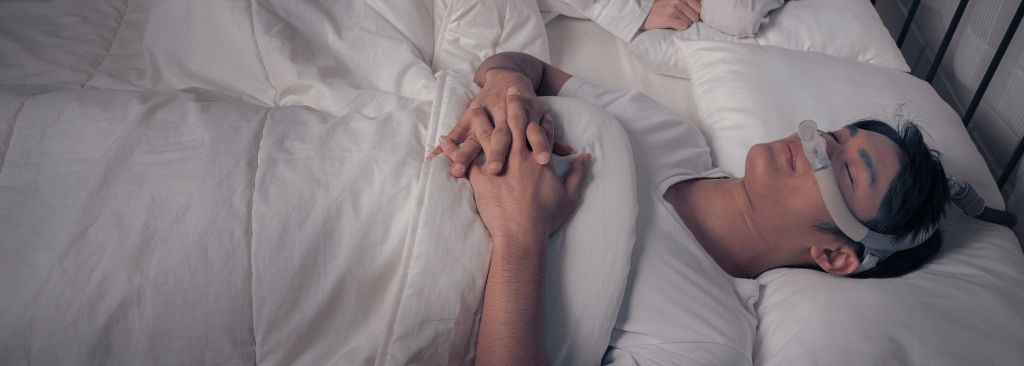
Is Nighttime Oxygen the Same as CPAP?
No. Supplemental oxygen and CPAP treat different problems. This is one of the most common points of confusion for patients.
Supplemental oxygen increases the amount of oxygen delivered to you, usually through a nasal cannula connected to a concentrator or other oxygen system. It addresses low oxygen levels in the blood.
CPAP delivers positive airway pressure to help keep your upper airway open during sleep. It addresses airway collapse and interrupted breathing associated with obstructive sleep apnea. BiLevel therapy works similarly, using two pressure levels.
Because these therapies serve different purposes, one doesn’t substitute for the other. Some patients are prescribed both oxygen and PAP therapy, but only a healthcare provider should decide whether and how the therapies are combined.
If you use CPAP or BiLevel and have also been prescribed oxygen, don’t stop your PAP therapy unless your provider changes your treatment plan.
If you’re new to sleep therapy or want to understand the support available, you can learn more about Rotech Sleep Apnea Services and our SleepWELL™ Program.
What to Expect From a Nighttime Oxygen Routine
Most people settle into a routine faster than they expect, and a consistent routine can make nighttime oxygen easier to manage.
A few practical points can help:
- Use the equipment according to your prescription, including the number of hours ordered.
- Pay attention to the flow rate prescribed for sleep, since it may differ from your rest or activity setting.
- Position your nasal cannula and tubing according to the instructions provided with your equipment and during setup.
- Keep Rotech’s contact information somewhere easy to find, such as near your equipment or saved in your phone.
- Keep oxygen equipment away from open flames, smoking, heaters, and other heat sources.
- Arrange tubing with walking paths in mind so it doesn’t become a trip hazard on the way to the bathroom at night.
- Make sure caregivers know who to call for equipment questions and who to call for medical symptoms.
If something about your setup doesn’t seem right, call Rotech rather than modifying the tubing, adding accessories, or repositioning the equipment in a way that conflicts with Rotech’s or the manufacturer’s instructions.
Read More: How to Stay Safe with Oxygen Around Friends, Food, and Travel

Don’t Change Your Oxygen Settings On Your Own
Oxygen is prescribed like a medication. Use the flow rate and schedule ordered by your healthcare provider, and don’t increase, reduce, or stop oxygen without medical guidance.
The American Thoracic Society explains that using too little oxygen can place strain on the heart and brain, while too much oxygen can cause some patients to slow their breathing to dangerously low levels.
If you feel more short of breath than usual, contact your healthcare provider rather than turning up your oxygen on your own. A change in breathing may need medical evaluation, and increasing the flow rate may not address the underlying problem.
When to Contact Your Healthcare Provider
Reach out to the provider who manages your prescription if you notice:
- New or worsening shortness of breath
- New or worsening symptoms, including unusual fatigue or confusion
- Changes in your oxygen readings, if home monitoring has been prescribed for you
- Questions about your prescribed flow rate or how many hours to use oxygen
- Uncertainty about using oxygen with CPAP or another therapy
- A wish to reduce or stop nighttime oxygen
Severe breathing difficulty, chest pain, blue or gray lips or fingertips, fainting, or new confusion may require emergency care. This isn’t a complete list. Call 911 if you have severe or quickly worsening symptoms or believe you may be experiencing a medical emergency.
Related: What to Do When You Feel Short of Breath With COPD

How Rotech Supports Nighttime Oxygen Therapy
Once your provider writes the prescription, our team helps you put it to work at home. Through our home oxygen therapy services, we can help with equipment setup, instructions on proper use, troubleshooting, oxygen supplies and accessories, service questions, and local support from locations across the country.
You can also explore our full range of Products and Services.
Frequently Asked Questions About Nighttime Oxygen
Why do I need oxygen at night but not during the day?
Breathing tends to slow during sleep, and some people’s oxygen levels drop at night even when their daytime levels are acceptable. Testing may show that you need supplemental oxygen while sleeping but not continuously while you’re awake.
Can oxygen levels drop while I’m sleeping?
Yes. Slower or shallower breathing during sleep can lower blood oxygen levels, and an existing lung, heart, or other health condition may make that more likely. Most people can’t determine their blood oxygen level based on symptoms alone, which is why clinical testing is used.
Is nighttime oxygen the same as CPAP?
No. Supplemental oxygen increases the amount of oxygen delivered to you. CPAP uses positive airway pressure to help keep the upper airway open during sleep. They treat different problems, and one isn’t a substitute for the other.
Can oxygen be used with CPAP or BiLevel therapy?
Sometimes. Some patients are prescribed supplemental oxygen and PAP therapy together, but only your healthcare provider should decide whether and how the therapies are combined.
How many hours should I use nighttime oxygen?
There’s no universal number of hours. Your healthcare provider prescribes oxygen at a specific flow rate and for a specific amount of time. Follow your prescription instead of a general rule.
Can I change the oxygen flow rate if I feel short of breath?
No. Use the flow rate exactly as prescribed, and contact your healthcare provider about new or worsening symptoms. Both too little and too much oxygen can create risks for certain patients.
How will I know whether nighttime oxygen is working?
Your healthcare provider determines whether nighttime oxygen is working, sometimes through repeat testing or monitoring. Some people notice differences in how they feel, but symptoms alone aren’t a reliable measure of blood oxygen levels.
Can I stop using nighttime oxygen if I feel better?
Talk with your healthcare provider first. Feeling better may mean the therapy is helping. Reducing or stopping prescribed oxygen is a medical decision that should be based on your provider’s guidance.
What should I do if my oxygen concentrator alarms?
Follow the troubleshooting steps in your equipment instructions. Contact Rotech if the alarm continues or you need help. If you’re also having difficulty breathing or experiencing severe symptoms, contact your healthcare provider or call 911.
Who should I call with questions about my oxygen equipment?
Call Rotech for questions about your equipment, supplies, setup, or service. Call your healthcare provider for questions about your prescription, symptoms, oxygen flow rate, or medical treatment plan.

Understanding Your Nighttime Oxygen Prescription
Your oxygen needs may change while you sleep, even when your breathing feels steady during the day. That’s why nighttime oxygen is prescribed based on clinical testing rather than symptoms alone.
Use your oxygen exactly as directed by your healthcare provider. Your provider manages your prescription and medical care, while our team can help with equipment setup, education, supplies, and troubleshooting.