
If you or someone you love is living with obstructive sleep apnea, you’ve probably come across more than one type of treatment. Two that are often compared are CPAP therapy and the eXciteOSA® device. It’s a fair question to ask how they stack up, but the honest answer is that they aren’t two versions of the same thing. They work differently, are used at different times, and are intended for different situations.
Understanding those differences can help you have a more informed conversation with your healthcare provider. Below, we walk through how each therapy works, who eXciteOSA may be appropriate for, and why the right choice depends on your diagnosis, health, and provider’s recommendation.
In This Article:
- Does eXciteOSA® replace CPAP?
- What is obstructive sleep apnea?
- How CPAP therapy works during sleep
- How eXciteOSA® is used during the day
- The key differences at a glance
- Who eXciteOSA® may be considered for
- Why a daytime device is not a substitute for prescribed PAP
- If a CPAP mask is hard to tolerate
- Frequently asked questions
Does eXciteOSA Replace CPAP?
Not for everyone. eXciteOSA may be an option for certain adults with primary snoring or mild obstructive sleep apnea, but it isn’t a universal replacement for CPAP.
CPAP remains a common, well-established treatment for obstructive sleep apnea, including people with moderate or severe OSA. eXciteOSA has a more limited indication — reducing snoring and mild OSA in adults 18 and older with an apnea-hypopnea index, or AHI, below 15.
If you’re already using CPAP, APAP, BiLevel, or another form of positive airway pressure (PAP) therapy, you should continue your prescribed treatment unless your healthcare provider changes your plan.
The clearest difference is that CPAP uses air pressure to support your airway while you sleep. eXciteOSA uses daytime tongue-muscle stimulation and is intended only for eligible adults with snoring or mild OSA.
What Is Obstructive Sleep Apnea?
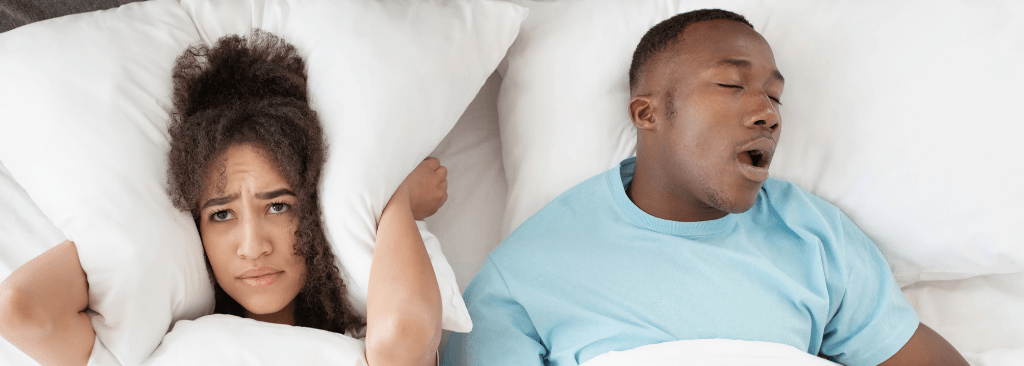
Obstructive sleep apnea, or OSA, is a common sleep disorder. During sleep, the muscles in the back of the throat relax, and the upper airway becomes narrower. In people with OSA, the airway repeatedly narrows or closes enough to reduce or block airflow.
These pauses in breathing can happen many times an hour and pull you out of deeper, more restful stages of sleep. Some people may also experience loud snoring, gasping, morning headaches, or excessive daytime sleepiness.
Sleep apnea is often measured using the apnea-hypopnea index. AHI is the average number of complete or partial breathing interruptions that occur during each hour of sleep.
In adults, commonly used categories are:
- Mild OSA: AHI of 5 to fewer than 15 events per hour
- Moderate OSA: AHI of 15 to fewer than 30 events per hour
- Severe OSA: AHI of 30 or more events per hour
These numbers are important, but they aren’t the only factors a provider considers. Symptoms, oxygen levels, health history, sleep-study findings, and other details can also affect treatment recommendations.
Untreated OSA has been associated with daytime fatigue and increased risks involving blood pressure, heart disease, and stroke. That’s why an accurate diagnosis and an appropriate treatment plan matter.
How CPAP Therapy Works During Sleep
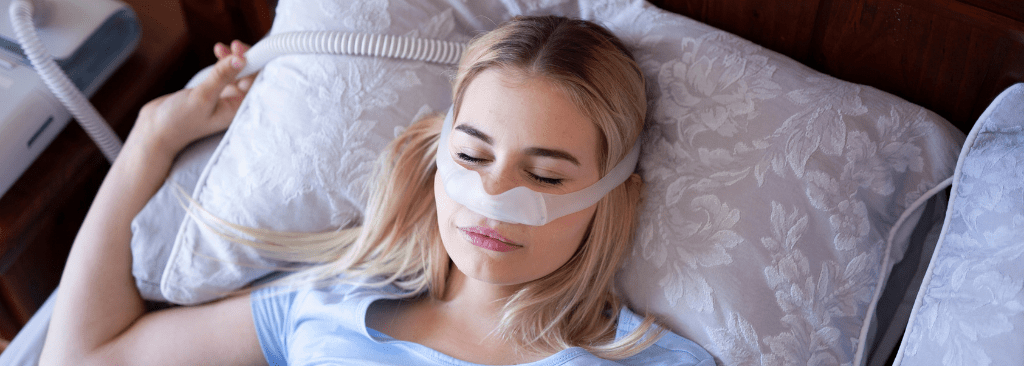
CPAP stands for continuous positive airway pressure. A CPAP machine delivers a steady stream of pressurized air through a mask you wear while you sleep. That gentle, constant pressure acts almost like an air splint, holding the upper airway open so it doesn’t collapse during the night.
The result, for many people, is fewer breathing interruptions and more restful sleep.
CPAP works while you’re wearing it, which makes consistent nightly use an important part of treatment. Depending on the prescription, a patient may use CPAP, APAP, BiLevel therapy, or another form of PAP.
Through Rotech’s SleepWELL™ Program, trained staff set up PAP equipment according to the physician’s prescribed settings. The program also includes patient education, individualized mask fitting, early follow-up, compliance monitoring, troubleshooting support, ongoing care, and supply replenishment.

How eXciteOSA® Is Used During the Day
eXciteOSA takes a very different approach. Instead of supporting the airway while you sleep, it’s used while you’re awake to help improve tongue muscle function over time.
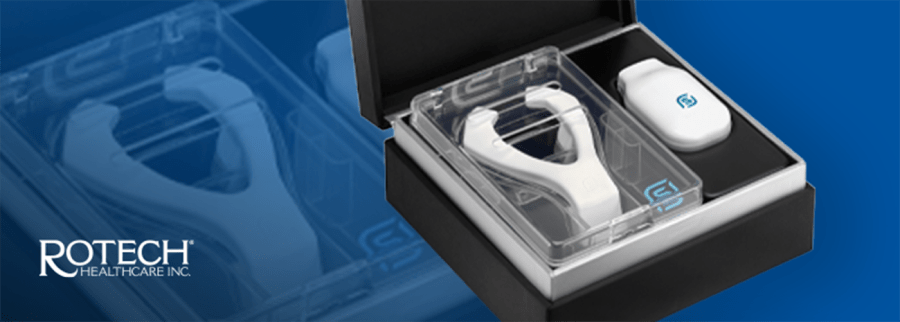
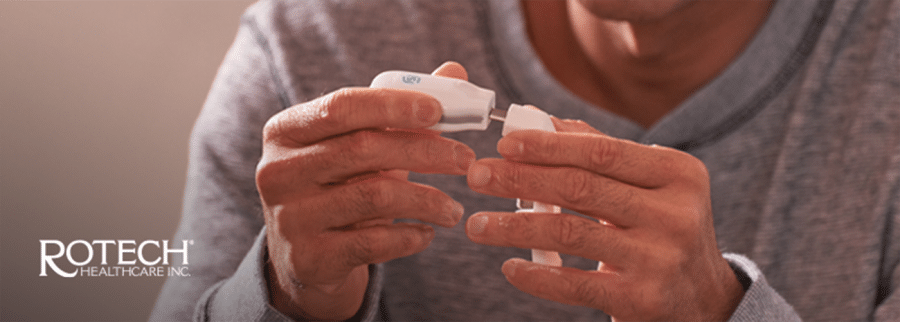
The removable mouthpiece uses neuromuscular electrical stimulation, or NMES. Electrodes above and below the tongue deliver a series of gentle electrical pulses during each treatment session. The initial FDA-authorized schedule is one 20-minute session each day for six weeks, followed by once-weekly maintenance use.
eXciteOSA pairs with an app that activates treatment sessions, controls stimulation intensity, and helps users monitor their progress. There’s no mask, hose, or device to wear while sleeping. Each 20-minute session consists of four five-minute phases that use different stimulation frequencies.
eXciteOSA is an FDA-authorized prescription device for reducing primary snoring and mild OSA in adults 18 and older. It isn’t intended for people who have, or are suspected of having, moderate or severe OSA with an AHI of 15 or higher.
Because eXciteOSA targets the tongue instead of using positive airway pressure, it has a narrower intended use than CPAP. Whether it’s appropriate for you depends on your diagnosis, OSA severity, oral health, other medical factors, and your provider’s recommendation.
eXciteOSA® vs. CPAP at a Glance
This comparison is meant to explain how the therapies differ, not declare one the winner.
| Consideration | CPAP Therapy | eXciteOSA® |
| When it’s used | While sleeping, throughout the night | While awake, for a 20-minute treatment session |
| How it works | Delivers positive airway pressure to help keep the upper airway open | Uses NMES to stimulate the tongue muscles and improve muscle function |
| Potential patients | May be prescribed for people with mild, moderate, or severe OSA | Intended for adults 18 and older with primary snoring or mild OSA and an AHI below 15 |
| Worn while sleeping? | Yes, a mask or interface is worn | No equipment is worn during sleep |
| Provider involvement | Requires a diagnosis and prescription; settings set by your doctor | Requires a prescription and any oral-health or dental evaluation recommended by the provider |
| Treatment schedule | Typically used whenever the patient sleeps, as prescribed | Initially 20 minutes daily for six weeks, followed by maintenance use |
| Important considerations | Consistent use, proper mask fit, pressure settings, and comfort support matter | Only indicated for snoring and mild OSA; results and eligibility vary |
Your sleep provider can help you understand which factors matter most in your case.

Who May Be Considered for eXciteOSA®?
Based on its authorized use, eXciteOSA may be considered for adults 18 and older with primary snoring or mild obstructive sleep apnea.
Some eligible adults may be interested because nothing is worn during sleep. However, mask preference alone doesn’t determine whether the device is appropriate.
A proper diagnosis, usually through a sleep study, is what tells you and your provider whether your sleep apnea falls into the mild range where this therapy applies. Your provider may also consider your:
- AHI and complete sleep-study results
- Symptoms and overall health
- Oral and dental health
- Current sleep apnea treatment
- Ability to follow the initial and maintenance schedules
- Health conditions or other factors listed in the current device warnings
If you haven’t had a sleep evaluation, that should be part of the conversation before pursuing a prescription device.
Ready to learn more? Review Rotech’s eXciteOSA® information, including how the therapy works and what to expect.
Why a Daytime Device Isn’t a Substitute for Prescribed PAP
This is one of the most important points to understand. eXciteOSA is indicated for reducing primary snoring and mild OSA. It isn’t intended for people who have, or are suspected of having, moderate or severe OSA with an AHI of 15 or higher.
That doesn’t mean every person with mild OSA should use eXciteOSA, or that every person with moderate or severe OSA will have the same treatment plan. It means a healthcare provider needs to determine whether the treatment is right for you.
If you’re already using PAP therapy, don’t assume that a daytime device can replace it. Changing treatments without an appropriate evaluation could leave some breathing interruptions untreated.
If you’re curious about another option, ask your provider:
- Is my current treatment controlling my OSA?
- Is my sleep apnea mild, moderate, or severe?
- Would eXciteOSA be appropriate based on my full sleep-study results?
- How would we confirm that a different treatment is working?
If a CPAP Mask Is Hard to Tolerate
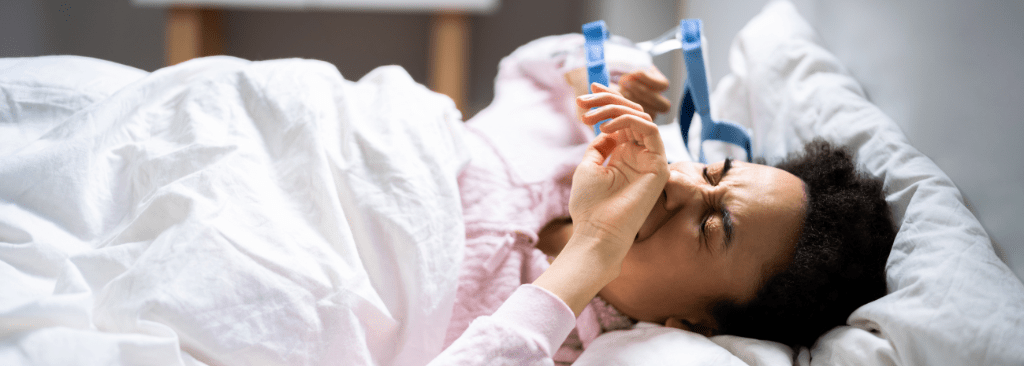
Trouble tolerating a CPAP mask is common, and it isn’t a reason to give up on treatment. The issue may involve mask fit, leaks, dryness, pressure discomfort, humidification, or simply getting used to a new routine. Many of these concerns can be addressed with the right support.
If CPAP feels uncomfortable, contact your sleep provider or equipment team before stopping therapy. A different mask style, fit adjustment, comfort setting, or other change may help. We’re always glad to troubleshoot your equipment and help you find a more comfortable setup.
Frequently Asked Questions About eXciteOSA® and CPAP
Is eXciteOSA® the same as CPAP?
No. CPAP delivers positive airway pressure through a mask while you sleep. eXciteOSA is an oral device used during the day to stimulate the tongue muscles. The therapies work differently and are intended for different clinical situations.
Is eXciteOSA® better than CPAP?
Neither treatment is better for everyone. CPAP may be prescribed across different OSA severity levels. eXciteOSA has a narrower indication for adults with primary snoring or mild OSA and an AHI below 15. Your diagnosis and provider’s recommendation should guide the choice.
Does eXciteOSA® replace CPAP?
Not for everyone. eXciteOSA may be an option for certain adults with snoring or mild OSA, but it isn’t a universal replacement for prescribed PAP therapy.
Who may qualify for eXciteOSA®?
eXciteOSA may be considered for adults 18 and older with primary snoring or mild OSA. A prescription is required. Your healthcare provider will consider your diagnosis, AHI, health history, oral health, and other factors.
Can people with moderate or severe sleep apnea use eXciteOSA®?
The device isn’t intended for people who have, or are suspected of having, moderate or severe OSA with an AHI of 15 or higher. Anyone in that group should discuss appropriate treatment options with a qualified healthcare provider.
How often is eXciteOSA® used?
The initial schedule described in the FDA authorization is 20 minutes once daily for six weeks, followed by once-weekly maintenance. Patients should follow the current device instructions and their provider’s directions.
Does eXciteOSA® require a prescription?
Yes. eXciteOSA is a prescription device.
What should I do if I can’t tolerate my CPAP mask?
Contact your sleep provider or equipment team. Mask fit, leaks, dryness, pressure discomfort, humidification, and worn supplies may all affect comfort. Don’t stop prescribed therapy without talking to your healthcare provider.
Can I switch from CPAP to eXciteOSA® on my own?
No. Continue your prescribed PAP therapy unless your healthcare provider changes your treatment plan.
How will I know whether eXciteOSA® is working?
Feeling better can be encouraging, but symptoms don’t tell the whole story. Ask your sleep provider how your response will be measured and whether you need follow-up sleep testing.

Understand Your Sleep Therapy Options
CPAP and eXciteOSA are both used in sleep care, but they aren’t interchangeable. CPAP supports the airway with positive pressure during sleep. eXciteOSA provides daytime tongue-muscle stimulation for eligible adults with primary snoring or mild OSA.
The right choice depends on your diagnosis, OSA severity, health history, provider’s recommendation, and ability to use the prescribed therapy consistently.
Rotech Healthcare can help you understand your equipment, find support for existing PAP therapy, and learn more about eXciteOSA.
Interested specifically in a daytime option? Learn more about eXciteOSA®.
If you already have a prescription, visit ShopRotech to review the eXciteOSA® Starter Kit.