

Rotech Healthcare

Topic: Rotech

Why Timely NIV Setup and Follow-Up Matter After Hospitalization

Hospital discharge is not the finish line for patients who need non-invasive ventilation (NIV). For many patients, it is the point where therapy either becomes part of the home routine or starts to break down.

A patient may leave the hospital with the right order, the right clinical indication, and the right intent. However, if the home NIV setup is delayed, the mask does not fit well, caregivers are unsure what to do, or follow-up does not happen soon enough; the therapy may not be used as prescribed.

That is why timely NIV setup after hospitalization is about more than equipment delivery. For discharge planners, case managers, respiratory therapists, pulmonologists, and referral teams, it is part of a larger transition strategy: helping appropriate patients move from hospital-based stabilization to supported home therapy.


Why Does Timely NIV Setup Matter After Hospitalization?

For appropriately selected patients, the transition from hospital to home is a high-risk point in care. NIV success depends on more than sending a patient home with a device; it also depends on setup, education, mask comfort, caregiver confidence, troubleshooting, and follow-up.

Clinical evidence supports home NIV for selected patients with chronic hypercapnic COPD, but patient selection and timing matter. The American Thoracic Society recommends reassessing patients for long-term NIV 2–4 weeks after resolution of acute-on-chronic hypercapnic respiratory failure, rather than routinely initiating long-term NIV during the hospitalization itself.1


The Hospital-to-Home Gap for Patients Who Need NIV

The first days and weeks after discharge can expose gaps that were not obvious in the hospital.

A patient may understand the plan during discharge teaching but feel unsure once they are home. A caregiver may not know how to respond to mask leaks, alarms, pressure discomfort, or anxiety during the first few nights. A referral team may assume the therapy is established once the order is placed, even though the patient still needs setup, education, and follow-up support.

Common transition challenges include:

  • Delayed home NIV setup
  • Mask or interface discomfort
  • Confusion about when and how to use the device
  • Anxiety or claustrophobia
  • Caregiver uncertainty
  • Questions about supplies or cleaning
  • Difficulty reaching the right contact for troubleshooting
  • Missed follow-up after the patient leaves the hospital

These details matter because patients are not just learning a device; they are building a therapy routine they need to feel comfortable using at home.


Why Patient Selection and Timing Matter

Home NIV is most effective when the right patients are identified, reassessed when appropriate, and supported with follow-up that helps therapy continue at home.

Evidence is strongest for selected patients with severe COPD and persistent hypercapnia after an acute exacerbation. In the HOT-HMV randomized clinical trial, patients with persistent hypercapnia 2–4 weeks after resolution of respiratory acidemia were assigned to home oxygen alone or home oxygen plus home NIV. The study found that adding home NIV significantly prolonged median time to hospital readmission or death from 1.4 months to 4.3 months.2

That finding is important, but it should be applied carefully. It does not mean every patient hospitalized with COPD should begin long-term NIV immediately. It does support the importance of identifying appropriate patients, reassessing when indicated, and making sure the transition to home therapy is structured and supported.

The American Thoracic Society guideline also suggests nocturnal NIV in addition to usual care for patients with chronic stable hypercapnic COPD and recommends screening for obstructive sleep apnea before initiation of long-term NIV.1


What Can Get in the Way of NIV Adherence at Home?

Even when the clinical need is clear, NIV can be difficult for patients to adjust to at home.

Some patients struggle with the mask. Others feel anxious, have trouble sleeping, or remove the device during the night. Caregivers may not know whether a problem is expected, urgent, or simply part of the adjustment process.

Common adherence barriers include:

  • Mask leaks or poor fit
  • Skin irritation or pressure points
  • Dryness or discomfort
  • Difficulty tolerating pressure settings
  • Anxiety or claustrophobia
  • Trouble understanding device alarms
  • Uncertainty about cleaning or supplies
  • Lack of caregiver confidence
  • Delayed troubleshooting after setup

A 2024 review in CHEST notes that successful long-term NIV in COPD depends on practical details such as an adequate interface, appropriate ventilator settings, comfort, synchrony, and adherence. The review also notes that inadequately adjusted long-term NIV may not be tolerated or effective.3

For referral teams, that reinforces a simple but important point: setup quality and follow-up are part of therapy success.


How Follow-Up Can Support NIV Success

Follow-up helps close the gap between “equipment delivered” and “therapy established.”

After setup, patients may need help adjusting to the device, addressing mask issues, understanding supplies, or knowing what to do if symptoms or equipment concerns arise. Caregivers may also need reassurance and clear instructions, especially when the patient is medically complex or newly discharged.

Strong NIV follow-up may include:

  • Checking whether the patient understands when and how to use the device
  • Reviewing mask fit and comfort
  • Addressing leaks, dryness, alarms, or pressure discomfort
  • Reinforcing patient and caregiver education
  • Coordinating supply replenishment
  • Helping patients know who to call with concerns
  • Communicating relevant updates when appropriate

For hospital teams, this kind of follow-up can help reduce avoidable confusion after discharge. It also gives patients and caregivers a clearer path for support once they are outside the hospital setting.


How NIVNow™ Supports Patients After Discharge

Our NIVNow™ program is designed to help patients manage non-invasive ventilation successfully at home. Through NIVNow™, our team supports patients and caregivers with education, compliance coaching, follow-up, and access to clinical support.

NIVNow™ services include:

  • Individual plans of care
  • Patient and caregiver education
  • Customized ventilator therapy compliance coaching
  • Ongoing in-home follow-ups with a respiratory clinician
  • Portable ventilators to help patients remain as active as possible
  • Supply replenishment
  • A dedicated hotline for 24/7 clinical support

For referral teams, that means the NIV transition does not end when the equipment is arranged. Our goal is to help patients understand their therapy, feel more confident using it, and stay connected to support after discharge.


What Referral Teams Should Expect from a DME Partner

For patients who need home NIV, a DME partner should do more than deliver a device.

Discharge teams should look for support that helps reduce friction before and after the patient goes home, including:

  • Clear communication with the referral team
  • Timely setup coordination
  • Patient and caregiver education
  • Respiratory therapy support
  • Help with mask/interface questions
  • Supply and replenishment support
  • Follow-up after setup
  • A clear path for troubleshooting

This matters because the transition from hospital to home is where small gaps can quickly become large barriers. A patient who does not understand the device may stop using it. A caregiver who does not know who to call may wait too long to ask for help. A mask issue that could have been corrected early may become a reason for nonuse.

With the right support, referral teams can help patients leave the hospital with a more complete plan for home therapy.


Where NIV Fits into Broader Respiratory Support

NIV is often one part of a larger respiratory care plan. Some patients may also need oxygen therapy, COPD support, sleep therapy, airway clearance, or other home medical equipment based on their diagnosis and provider’s orders.

Rotech’s respiratory and home medical services are designed to support patients across a range of needs, including ventilators, home oxygen therapy, sleep apnea therapy, wound care solutions, diabetes self-management solutions, airway clearance therapy, nebulizers, and home medical equipment.

For patients with COPD who need additional post-discharge support, our COPDBridge™ program is another example of how structured follow-up, education, and monitoring can help patients manage care at home.

You can also explore our broader Products & Services to learn more about the home medical and respiratory support available through Rotech.


Related Reading for Respiratory and Discharge Teams

You may also find these resources helpful:


Helpful Rotech Resources

For teams looking for program or referral support, these pages may also be useful:


Frequently Asked Questions

Which patients may need home NIV after hospitalization?

Patients who may be considered for home NIV after hospitalization include selected individuals with chronic respiratory failure or persistent hypercapnia, depending on their diagnosis, clinical status, and provider assessment. For COPD specifically, the American Thoracic Society guideline addresses long-term NIV for chronic stable hypercapnic COPD and recommends reassessment 2–4 weeks after resolution of acute-on-chronic hypercapnic respiratory failure rather than routine initiation during the admission.1

Why does follow-up matter after NIV setup?

Follow-up matters because NIV success depends on whether patients can actually use the therapy as prescribed. Mask comfort, device tolerance, caregiver understanding, troubleshooting, and supply questions can all affect adherence. A 2024 CHEST review notes that an adequate interface, appropriate settings, comfort, synchrony, and adherence are important to successful long-term NIV use in COPD.3

What can affect NIV adherence at home?

NIV adherence can be affected by mask leaks, discomfort, anxiety, dryness, pressure intolerance, uncertainty about device use, supply issues, or lack of caregiver confidence. These issues are often practical, but they can make a major difference in whether the patient continues using therapy.

How can a DME partner support NIV transitions?

A DME partner can support NIV transitions by helping coordinate setup, providing patient and caregiver education, supporting mask/interface questions, coordinating supplies, and offering follow-up after the patient goes home. Through NIVNow™, our team provides individual plans of care, patient and caregiver education, compliance coaching, in-home follow-ups with a respiratory clinician, supply replenishment, and 24/7 clinical support.

What should discharge teams confirm before sending a patient home with NIV?

Before discharge, teams should confirm that the patient has an appropriate order, understands the therapy plan, knows who to call with questions, has caregiver support when needed, and has a clear plan for setup and follow-up. For patients being evaluated for long-term NIV after acute-on-chronic hypercapnic respiratory failure, teams should also be mindful that ATS guidance favors reassessment 2–4 weeks after resolution rather than routine initiation during hospitalization.1


Make NIV Setup and Follow-Up Easier After Discharge

The right NIV plan does not stop at discharge. It continues through setup, education, early troubleshooting, and ongoing follow-up.

For appropriate patients, timely NIV setup and structured support can help close the gap between hospital care and home therapy. Our team is here to help referral teams coordinate that transition with practical support for patients and caregivers.


References

  1. Macrea, M., Oczkowski, S., Rochwerg, B., Branson, R. D., Celli, B., Coleman, J. M., Hess, D. R., Knight, S. L., Ohar, J. A., Orr, J. E., Piper, A. J., Punjabi, N. M., Rahangdale, S., Wijkstra, P. J., Yim-Yeh, S., Drummond, M. B., & Owens, R. L. (2020). Long-Term Noninvasive Ventilation in Chronic Stable Hypercapnic Chronic Obstructive Pulmonary Disease. An Official American Thoracic Society Clinical Practice Guideline. American Journal of Respiratory and Critical Care Medicine, 202(4), e74–e87. https://doi.org/10.1164/rccm.202006-2382st
  2. Murphy, P. B., Rehal, S., Arbane, G., Bourke, S., Calverley, P. M. A., Crook, A. M., Dowson, L., Duffy, N., Gibson, G. J., Hughes, P. D., Hurst, J. R., Lewis, K. E., Mukherjee, R., Nickol, A., Oscroft, N., Patout, M., Pepperell, J., Smith, I., Stradling, J. R., & Wedzicha, J. A. (2017). Effect of Home Noninvasive Ventilation With Oxygen Therapy vs Oxygen Therapy Alone on Hospital Readmission or Death After an Acute COPD Exacerbation. JAMA, 317(21), 2177. https://doi.org/10.1001/jama.2017.4451
  3. Kaminska, M., Adam, V., & Orr, J. E. (2024). Home Noninvasive Ventilation in COPD. Chest, 165(6), 1372–1379. https://doi.org/10.1016/j.chest.2024.01.030

Going on Vacation with a CPAP or Oxygen Concentrator?

Vacations, weekend trips, family visits, and overnight stays are supposed to be enjoyable. But if you use a CPAP machine, BiLevel device, oxygen equipment, or a portable oxygen concentrator, travel can come with a few extra questions.

What should you pack? Can you bring your equipment on a plane? What happens if you need supplies while you are away? How early should you start getting ready?

Traveling may take a little more preparation when you use medical equipment, but it does not have to take over the trip. Checking your supplies, power needs, and travel requirements before you leave can help protect your equipment and make it easier to keep your routine steady while you are away from home.


Can You Travel with a CPAP Machine or Oxygen Concentrator?

Yes. Many people travel safely with CPAP machines, BiLevel devices, and portable oxygen concentrators every year.

The key is to plan ahead. Before leaving, make sure your equipment is working properly, bring enough supplies for your trip, confirm power and battery needs, review airline requirements if you’re flying, and contact your healthcare provider or equipment team if you have questions.


Start Planning Before You Pack

It is easy to focus on clothes, reservations, tickets, and travel plans first. However, if you use medical equipment every day, it helps to think through your care routine before you start packing.

A week or two before your trip, take a few minutes to review:

  • How long you will be away
  • Which medical devices you use every day
  • Whether any supplies need to be replaced before you leave
  • How you will charge or power your equipment
  • Whether your airline, hotel, cruise line, or other travel provider has specific requirements
  • Who to call if you have questions about your equipment or supplies

If you are close to needing replacement supplies, try to order them before your trip. Our Sleep Central CPAP Supplies program can help eligible patients stay on track with routine CPAP supply replacement before they leave home.


CPAP Travel Checklist: What to Bring

If you are traveling with a CPAP or BiLevel device, a simple checklist can help you avoid leaving behind an important part.

Consider packing:

  • CPAP or BiLevel machine
  • Mask
  • Tubing
  • Filters
  • Headgear
  • Extra cushions or replacement parts
  • Power cord
  • Charging accessories
  • Extension cord if needed
  • Distilled water if you use a humidifier and it is available where you are going
  • Cleaning supplies
  • A few backup supplies if possible

It can also help to keep your CPAP equipment together in its carrying case instead of packing pieces in different bags.

Before a longer trip, check your mask, tubing, filters, and cushions. If something is worn out, leaking, cracked, or close to needing replacement, it is better to notice before you leave than after you arrive.


Oxygen Concentrator Travel Checklist: What to Confirm

If you use oxygen therapy, give yourself extra time to prepare. Oxygen travel may involve more planning, especially if you are flying, staying in a hotel, going on a cruise, or traveling a longer distance.

Before your trip, confirm:

  • Your current oxygen prescription and requirements
  • Whether a portable oxygen concentrator is appropriate for your travel plans
  • How long your batteries last
  • How many batteries you may need
  • Where and how you will charge your equipment
  • Whether your airline or travel provider requires documentation
  • Emergency contact information
  • Who to call if your plans change

Do not wait until the day before your trip to check these details. Travel arrangements can take extra time when oxygen equipment is involved, and planning ahead can help reduce stress later.

Always follow your provider’s instructions for oxygen use while traveling.


What to Know Before Flying with CPAP or Oxygen

Flying with medical equipment often requires a little extra preparation. Every airline has its own rules, so check directly with your airline before your departure date.

If you are flying:

  • Review airline requirements before your trip
  • Confirm documentation requirements for oxygen equipment
  • Ask whether your portable oxygen concentrator is approved for air travel, if applicable
  • Charge devices before arriving at the airport
  • Bring charging cords and backup batteries if recommended
  • Keep your equipment with you instead of checking it with luggage whenever possible
  • Allow extra time for security screening and boarding

If you are unsure whether you need paperwork, a physician statement, battery information, or equipment approval, contact the airline before your travel date.


What to Know Before a Road Trip or Overnight Stay

Road trips may feel simpler than flying, but it is still important to plan ahead.

Before leaving:

  • Confirm access to power outlets where you will stay
  • Pack all chargers, cords, and accessories
  • Bring extra supplies in case plans change
  • Store equipment safely so it does not shift during travel
  • Keep equipment out of extreme heat whenever possible
  • Bring contact information for your equipment provider
  • Let your host know ahead of time if you need space near an outlet

If you are staying with family or friends, it can be helpful to explain any basic equipment needs before you arrive. That way, you are not trying to find outlets, table space, or a safe place for your device at bedtime.


How to Keep Supplies Organized While You Are Away

Travel can throw off even the best routine. Keeping your supplies organized can make each day feel easier.

A few simple habits can help:

  • Keep all equipment in one designated bag
  • Store replacement supplies together
  • Use labeled bags for smaller parts
  • Keep cords and chargers in the same place
  • Bring a checklist and review it before returning home
  • Save important phone numbers in your phone
  • Repack your equipment the same way each day

These small steps can make it easier to find what you need, especially if you are switching hotels, staying with family, or spending several days on the road.


How Rotech Can Support Patients Before and During Travel

Travel plans do not always go exactly as expected. That is why it helps to know where to turn if questions come up before you leave or while you are away.

At Rotech Healthcare, we help patients manage respiratory and home medical equipment with support from locations across the country. For travel-related questions, our team can help guide you to the right resource for CPAP supplies, oxygen equipment support, and other respiratory or home medical equipment needs.

Whether you are preparing for a vacation, replacing CPAP supplies before a trip, or looking for support while you are away, our team can help guide you to the right resource.

You can learn more about our Products & Services or Find a Rotech Location before you travel.


Related Reading

You may also find these resources helpful:


Frequently Asked Questions

Can I bring my CPAP machine on a plane?

Many travelers bring CPAP machines on flights. Airline policies can vary, so check your airline’s requirements before your trip. Keeping your machine with you instead of checking it with luggage may help protect it during travel.

What CPAP supplies should I pack for vacation?

Bring your machine, mask, tubing, filters, power cord, and any replacement parts you may need while you are away. Many travelers also pack extra cushions, cleaning supplies, and backup components if available.

Can I travel with a portable oxygen concentrator?

Many patients travel with portable oxygen concentrators. Before your trip, confirm your equipment needs with your healthcare provider or equipment team, review airline requirements if you are flying, and make sure you understand your battery and charging needs.

Who should I call before traveling with oxygen equipment?

If you have questions about your oxygen equipment, contact your healthcare provider or equipment team before your departure date. They can help answer questions about your equipment, travel planning, and any documentation you may need.

What should I do if I need CPAP supplies before my trip?

If you are due for replacement supplies, try to order them before you leave. Our Sleep Central CPAP Supplies team can help eligible patients stay on schedule with routine resupply and replacement needs.


Get Support Before Your Next Trip

Travel is easier when your equipment, supplies, and support resources are ready to go with you.

Whether you are planning a weekend away, visiting family, or taking a longer vacation, we are here to help you feel more confident about traveling with your respiratory or home medical equipment.

Managing Both COPD and Heart Failure? What You Need to Know

Living with one chronic condition is hard enough. Managing two that affect both your breathing and your heart can add another layer of complexity to everyday life.

COPD (chronic obstructive pulmonary disease) and heart failure often occur together, and the overlap can make symptoms harder to recognize and manage. Research shows that up to one-third of people with heart failure also have COPD,1 and when these conditions coexist, they can intensify each other in ways that aren’t always obvious.

With a clear understanding of how COPD and heart failure interact, and a care plan designed to address both, it’s possible to manage symptoms at home and reduce unexpected hospital visits.

At Rotech Healthcare, we specialize in helping patients living with COPD and heart failure get the equipment, education, and ongoing support they need to stay healthier and out of the hospital. This article will help you understand how these conditions are connected, what symptoms to watch for, and how we can help you take control of your care.


Why COPD and Heart Failure Often Go Together

If you have COPD and heart failure, you might wonder: why me? Why both? The truth is, these two conditions share so many risk factors and pathways that having one significantly increases your risk of developing the other. This isn’t bad luck — it’s biology.

Shared Risk Factors

COPD and heart failure often develop from the same underlying causes:2

Risk Factor How It Affects You
Smoking history Damages both lung tissue and blood vessels, contributing to both conditions
Aging Natural decline in heart and lung function increases vulnerability
Chronic inflammation Ongoing inflammation throughout the body affects both the heart and lungs
Sedentary lifestyle Reduced physical activity weakens both cardiovascular and respiratory systems
Air pollution and environmental exposures Long-term exposure damages lung tissue and promotes cardiovascular disease

How Each Condition Makes the Other Worse

COPD and heart failure create a cycle that can be difficult to break:

COPD puts extra strain on your heart. When your lungs don’t work efficiently, your body has to work harder to get enough oxygen. This extra effort strains the heart over time, potentially leading to heart failure, especially affecting the right side of the heart.

Heart failure makes breathing harder. When your heart can’t pump effectively, fluid can build up in your lungs. This fluid makes it even harder to breathe, worsening the symptoms you already experience from COPD.

The result is that each condition accelerates the progression of the other, which is why managing both together, rather than treating them separately, is so important.


Sporty senior man walking outdoors with headphones on and coughing, out of breath

Recognizing Symptoms When You Have Both Conditions

One of the most frustrating aspects of living with COPD and heart failure is that the symptoms overlap so much. It can be genuinely difficult to know which condition is causing your discomfort on any given day.

Symptoms Common to Both Conditions

  • Shortness of breath — especially during activity or when lying flat
  • Fatigue and low energy — feeling exhausted even after rest
  • Swelling in legs, ankles, or feet — more common with heart failure, but can occur with both
  • Difficulty sleeping — particularly when lying down
  • Reduced ability to exercise — getting winded more easily than before
  • Coughing — may be dry or produce mucus

Why Tracking Matters

Because these symptoms overlap, it’s critical to monitor changes rather than guess at the cause. A symptom that’s “normal” for your COPD might actually signal worsening heart failure, or vice versa.

This is exactly why working with a provider who understands both conditions makes such a difference. Tracking your symptoms over time helps you and your care team identify patterns, catch problems early, and adjust your treatment before small issues become emergencies.


How Rotech Supports Patients with COPD and Heart Failure with COPDBridge™

Managing two complex conditions at home requires more than just equipment delivery. It requires education, regular monitoring, and a care team that stays connected with you over time.

At Rotech Healthcare, we’ve built programs specifically designed to help patients like you manage their conditions at home, reducing hospitalizations and improving quality of life.

COPDBridge™: Intensive Support in the Critical First 30 Days

The weeks immediately following a hospital discharge are the most vulnerable time for COPD patients. Research shows that more than 20% of patients hospitalized for COPD are readmitted within 30 days.3 That’s why we created COPDBridge™.

COPDBridge™ is a comprehensive 30-day program designed to help you transition safely from hospital to home and stay out of the hospital.

What’s included:

  • Weekly visits with a respiratory therapist — including physical assessments, nutrition support, medication review, and smoking cessation resources if applicable
  • Daily monitoring and data collection — tracking your condition so changes are caught early
  • COPDBridge 30-Day Journal — a structured way to record your symptoms, track your progress, and identify patterns
  • Online patient education — accessible from any device, so you can learn at your own pace
  • Follow-up documentation — sent directly to your hospital and physician, keeping your entire care team informed

The goal: Help you recognize the early signs of an exacerbation, follow your COPD action plan, and get treatment before things get worse.

CarePLUS™: Ongoing Support Beyond the First 30 Days

While COPDBridge focuses on the critical post-discharge period, CarePLUS™ ensures you have everything you need for long-term success at home.

CarePLUS™ provides:

  • Overnight oximetry testing — monitoring your oxygen levels while you sleep to catch problems that daytime measurements miss
  • Home medical equipment — including hospital beds, wheelchairs, ventilators, oxygen supplies, and other equipment tailored to your needs
  • Care coordination — our team keeps your physicians and care team informed about how you’re doing at home
  • Ongoing troubleshooting and support — care coordinators available to answer questions, solve problems, and ensure your equipment is working properly

Think of CarePLUS as an extension of your care team — eyes and ears in your home that help catch issues before they become emergencies.

Learn More About CarePLUS™


Older man taking his medication at home as prescribed

Practical Tips for Managing Both Conditions at Home

While professional support is essential, there’s also a lot you can do every day to manage COPD and heart failure together.

Monitor Your Symptoms Daily

Pay attention to changes in your breathing, energy levels, and swelling. Keep a simple log, even just a few notes each day can help you spot patterns and give your care team valuable information.

Watch for warning signs that need attention:

  • Sudden increase in shortness of breath
  • New or worsening swelling in legs or ankles
  • Rapid weight gain (more than 2-3 pounds in a day or 5 pounds in a week)
  • Increased coughing or change in mucus color
  • Feeling unusually tired or confused

Take Medications as Prescribed

Both COPD and heart failure often require multiple medications. Take them exactly as prescribed, and don’t stop or change doses without talking to your doctor first. If you’re having trouble keeping track, ask your pharmacist about pill organizers or medication management tools.

Stay as Active as Safely Possible

It might seem counterintuitive when breathing is difficult, but gentle, regular physical activity can strengthen both your heart and lungs over time. Talk to your doctor about what level of activity is safe for you, and consider pulmonary rehabilitation if it’s available in your area.

Follow Dietary Guidelines

Both conditions benefit from limiting sodium intake, which can reduce fluid retention and ease the strain on your heart and lungs. Your care team can provide specific guidance based on your situation.

Don’t Skip Follow-Up Appointments

Regular check-ins with your doctors allow them to catch changes early and adjust your treatment plan as needed. If getting to appointments is difficult, ask about telehealth options or whether your home health provider can help coordinate care.


Man with supplemental oxygen on flexing outdoors in the woods

Remember, You’re Not Managing This Alone

Managing COPD and heart failure is challenging, but doable, especially when you partner with the right provider. It’s important to be proactive with your care, and be your own advocate. Rotech is here to help with our COPDBridge and CarePLUS programs, which focus on improving outcomes and making sure you have the equipment you need at home to manage your conditions. Contact us to learn more about how we can help you.


Frequently Asked Questions About COPD and Heart Failure

Why do COPD and heart failure often occur together?

COPD and heart failure share many risk factors, including smoking, aging, and chronic inflammation. Additionally, COPD puts extra strain on the heart over time because the body works harder to get enough oxygen. Heart failure, in turn, can cause fluid buildup in the lungs, worsening breathing problems. This creates a cycle where each condition accelerates the other.

How common is it to have both COPD and heart failure?

Very common. Research indicates that up to 30-40% of patients with heart failure also have COPD,1 and vice versa. Having both conditions together is associated with worse outcomes and more frequent hospitalizations, which is why coordinated management is so important.

How can I tell which condition is causing my symptoms?

This is one of the most challenging aspects of living with both conditions, since symptoms like shortness of breath, fatigue, and swelling occur with both COPD and heart failure. Tracking your symptoms daily helps identify patterns. Working with a provider like Rotech, who can monitor your oxygen levels and coordinate with your care team, makes it easier to determine what’s happening and respond appropriately.

What is the COPDBridge™ program?

COPDBridge™ is Rotech’s 30-day intensive support program for COPD patients transitioning from hospital to home. It includes weekly respiratory therapist visits, daily monitoring, patient education, a symptom-tracking journal, and direct communication with your care team. The goal is to reduce hospital readmissions by helping you catch problems early and manage your condition effectively at home.

What is CarePLUS™ and how does it help?

CarePLUS™ is Rotech’s ongoing support program that extends beyond the first 30 days. It includes overnight oximetry testing, home medical equipment supply, care coordination with your physicians, and responsive support from care coordinators. CarePLUS acts as an extension of your care team, helping identify issues before they become emergencies.

Can both conditions be managed at home?

Yes. With proper equipment, education, monitoring, and support, most patients with COPD and heart failure can manage their conditions at home. The key is having a comprehensive care plan and working with a provider who understands both conditions and can coordinate your care effectively.

What symptoms should I report to my doctor immediately?

Contact your care team or seek medical attention if you experience sudden worsening of shortness of breath, rapid weight gain (more than 2-3 pounds in a day), new or increased swelling, chest pain, confusion, or symptoms that don’t respond to your usual treatments. Early intervention can often prevent hospitalization.

Does insurance cover home respiratory therapy programs?

Most insurance plans, including Medicare, cover home respiratory equipment and related services for patients with qualifying diagnoses. Rotech works with most major insurance providers and can help you understand your coverage options.


References

  1. Axson, E. L., Sundaram, V., Bloom, C. I., Bottle, A., Cowie, M. R., & Quint, J. K. (2018). Hospitalisation and mortality outcomes of patients with comorbid COPD and heart failure: a systematic review protocol. BMJ Open, 8(6), e023058. https://doi.org/10.1136/bmjopen-2018-023058
  2. de Miguel-Díez, J., Chancafe Morgan, J., & Jimenez-Garcia, R. (2013). The association between COPD and heart failure risk: A review. International Journal of Chronic Obstructive Pulmonary Disease, 8, 305. https://doi.org/10.2147/copd.s31236
  3. Fortis, S. (2024). Why Home-NIV Should Begin in the Hospital, Not at Home. American Journal of Respiratory and Critical Care Medicine, 210(3), 260–261. https://doi.org/10.1164/rccm.202401-0214vp

Rotech Healthcare Partners with Signifier Medical Technologies to Provide Revolutionary Obstructive Sleep Apnea Therapy Device

Orlando, FL — November 25, 2024 — Rotech Healthcare, a leader in home respiratory and medical equipment, is thrilled to announce an agreement for a supplier partnership with Signifier Medical Technologies Limited. This partnership will introduce the FDA-approved eXciteOSA® device to payers, healthcare providers, and patients, marking a significant advancement in the treatment of mild to moderate Obstructive Sleep Apnea (OSA).

The eXciteOSA® device, developed by Signifier Medical Technologies, represents a pioneering approach to OSA therapy. Unlike traditional solutions, eXciteOSA® is designed for daytime use, targeting the root causes of OSA with a user-friendly and non-invasive treatment method. Neuromuscular electrical stimulation (NMES) tones tongue muscles to maintain an open airway during sleep, improving users’ sleep quality and overall health.

“Partnering with Signifier Medical Technologies is an exciting step forward for us,” said Robin Menchen, Chief Executive Officer at Rotech Healthcare. “The eXciteOSA® device offers an easy-to-use and effective treatment for OSA, and we are proud to bring this cutting-edge technology to our network of payers and healthcare providers, ultimately benefiting countless patients.”

“eXciteOSA® is an innovative and promising technology that is helpful for some patients with OSA,” said Professor Atul Malhotra, MD, a renowned expert recently honored with the 2024 Sleep and Respiratory Neurobiology Lifetime Achievement Award by the American Thoracic Society. “The data suggest that OSA patients have issues with endurance in the upper airway muscles, a problem directly addressed by this technology. OSA is thought to affect up to 1 billion people worldwide. Although CPAP is effective for some patients, many benefit from alternative therapies such as eXciteOSA. eXciteOSA® can serve as a standalone treatment for snoring and for certain patients with mild OSA, while also being a useful adjunctive therapy alongside other interventions such as weight loss.”

“Rotech Healthcare’s extensive reach and commitment to patient care make them an ideal partner for us,” said Professor Akhil Tripathi, Co-Founder and Managing Director of Signifier Medical Technologies. “Together, we can ensure that patients suffering from OSA have access to innovative and effective treatment options.”

Earlier this year, CMS established a new HCPCS code for the eXciteOSA® device.  The device was also approved for coverage by Medicaid in South Carolina.

This partnership underscores Rotech Healthcare’s ongoing commitment to enhancing patient care through innovative medical solutions. The eXciteOSA® device will be available through Rotech Healthcare’s comprehensive distribution channels, ensuring broad accessibility for those in need.

About Rotech Healthcare: Rotech Healthcare is a premier provider of home respiratory and medical equipment, dedicated to improving the quality of life for patients through superior care and innovative solutions. With a nationwide network, Rotech Healthcare offers a wide range of services and products designed to meet the diverse needs of its home care patients.

About Signifier Medical Technologies Limited: Signifier Medical Technologies Limited is at the forefront of medical innovation, specializing in the development of advanced therapy solutions for OSA. Their flagship product, the eXciteOSA® device, reflects their commitment to improving patient outcomes through state-of-the-art technology.
Rotech Plans Seamless Leadership Transition

ORLANDO, Fla. – Effective January 1, 2024, Tim Pigg has transitioned from the Chief Executive Officer (CEO) to Executive Chairman of the Board.  He has served in the CEO position for the past 10 years and various other leadership positions for a total of 40 years with Rotech.

In his new role, Pigg will continue to invest his time in the company’s major strategies and lobbying efforts.

Robin Menchen has advanced from the President and Chief Operating Officer (COO) to President and CEO for Rotech Healthcare Inc. (Rotech).  Menchen has also served as the company’s Chief Administrative Officer (CAO), VP of Compliance and various other leadership roles over the past 30 years.

“I have worked closely with Robin for over 2 decades and she has consistently demonstrated exceptional leadership, vision, and a deep understanding of Rotech’s goals and values. I am confident Robin, with the continued support of the executive team, will continue to drive our company’s success,” Pigg said, “It has been an honor and a privilege to serve as Rotech’s CEO, and I will cherish the memories and relationships I have forged during my tenure.”

Rotech is one of the largest providers of home medical equipment and related products and services (collectively referred to as “HME products and services”) in the United States, with a comprehensive offering of oxygen, other respiratory therapy equipment, wound care equipment and supplies, and diabetes devices and supplies. The Company provides HME products and services in 50 states through approximately 300 operating locations.

Philips Respironics Device Recall

Philips Respironics announced a voluntary recall for certain CPAP, BiLevel PAP and Ventilator Devices manufactured prior to April 21, 2021.

This recall is due to two issues related to the polyester-based polyurethane (PE-PUR) sound abatement foam used in these devices.

Philips is notifying customers and users of affected devices that they will replace the current sound abatement foam with a new material that is not affected by this issue. Affected devices currently will be either replaced with a new or refurbished unit that incorporates the new material, or repaired to replace the sound abatement foam in customer units.

For more information on the Recall Notice, a complete list of impacted products, and more information, visit philips.com/src-update .

Rotech is committed to providing safe CPAP/BiPAP and Ventilator equipment for all patients.

Rotech Completes Refinancing

New 5-Year $425 Million Credit Facility

ORLANDO, Fla.— On December 17, 2020, Rotech Healthcare Inc. (Rotech) entered into a new $425 million amended and restated credit agreement with a diversified group of lenders including Truist Bank, as Administrative Agent, Swingline Lender and Issuing Bank, Citizens Bank, Fifth Third Bank, National Association, and Regions Bank, as Co-Syndication Agents, Truist Securities, Inc., Citizens Bank, Fifth Third Bank, National Association, and Regions Bank, as Joint Lead Arrangers and Joint Bookrunners and Manufacturers and Traders Trust Company, as Documentation Agent (the “Credit Agreement”).

The Credit Agreement is comprised of a $335 million five year term loan, a $15 million revolving credit facility and a $75 million acquisition credit facility. The proceeds of this transaction were used to pay a $100 million special dividend to the Company’s parent as well as provide a $75 million acquisition credit facility to support the Company’s continued strategy to grow through strategic acquisitions. At close, the Company has in excess of $75 million in cash and undrawn revolver.

“I am pleased with the completed refinancing and want to thank Truist, Regions, Fifth Third, Citizens and M&T for leading this effort,” said Tim Pigg, Chief Executive Officer of Rotech. “This new credit agreement provides Rotech with sufficient capital over the next five years to continue our growth strategies as well as to provide a $100 million special dividend to our holding company.”

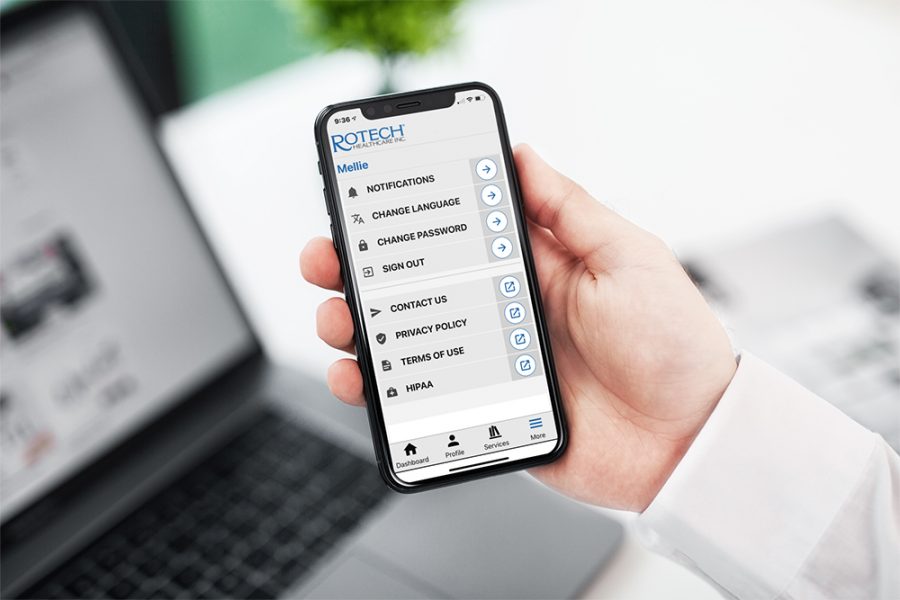
Mr. Pigg went on to say, “2020 has been a very challenging and successful year for Rotech as we continue to focus on being part of the solution to the COVID-19 Public Health Emergency. We have focused on assisting hospitals discharge patients as soon as practical to keep as many beds available as possible. As a result, we have continued to grow all our major product lines and improve profitability by controlling costs and leveraging our fixed cost infrastructure. In addition, we continue to enhance our state of the art technology platforms including our new, first in the industry, patient portal and mobile app.” Mr. Pigg went on to say, “the expanded $75 million acquisition credit facility will allow Rotech to continue its acquisition strategy leveraging our clinical programs designed to help patients to remain in their homes and avoid costly inpatient care. We have successfully acquired and integrated over 65 businesses over the last four years.”

Rotech is one of the largest providers of home medical equipment and related products and services (collectively referred to as “HME products and services”) in the United States, with a comprehensive offering of oxygen, other respiratory therapy equipment and services and wound care equipment and supplies. The Company provides HME products and services in 50 states through approximately 300 operating locations.

Our chat has moved!

To chat with our team about CPAP Supplies, Insurance Changes, or Patient Accounts, please click on the blue chat icon on the bottom right corner of the page.