

Sending a patient home with Negative Pressure Wound Therapy (NPWT) takes more than arranging a pump.
For discharge planners, case managers, wound care nurses, WOCNs, home health partners, and referral coordinators, the transition works best when the clinical plan, supply plan, and follow-up plan are clear before the patient leaves the hospital. That includes confirming the order, wound documentation, dressing change responsibility, delivery details, and who the patient or caregiver should contact with questions.
NPWT can be an important part of wound care for appropriately selected patients, but it should be ordered, applied, and managed according to the provider’s clinical judgment, wound type, payer requirements, facility protocols, manufacturer instructions, and follow-up plan. Proper use depends on patient selection, wound preparation, dressing placement, an airtight seal, individualized settings, and trained interdisciplinary care.1
What Should Discharge Teams Confirm Before Sending a Patient Home with NPWT?
Before sending a patient home with NPWT, discharge teams should confirm the provider order, wound documentation, dressing change plan, supply needs, delivery and setup plan, patient and caregiver education, home health or wound clinic follow-up, and troubleshooting contacts.
Teams should also clarify who the patient should call for pump alarms, dressing leaks, supply questions, or wound changes. Coverage and documentation requirements may apply, so referral teams should confirm that the necessary clinical information is complete before discharge.2
Before discharge, confirm:
- The NPWT order and wound documentation are complete
- The delivery location and timing are clear
- Dressing change responsibility is assigned
- Supplies match the ordered dressing change plan
- Home health, wound clinic, or provider follow-up is confirmed
- The patient or caregiver knows who to call for alarms, leaks, wound changes, and supply questions

Why Home NPWT Discharge Planning Needs More Than an Equipment Order
NPWT is often treated as an equipment task during discharge, but the home transition depends on the handoff around that equipment.
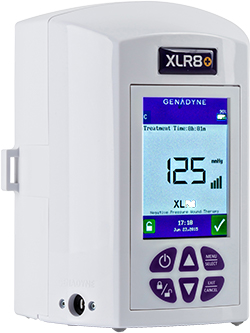
CMS describes NPWT as the application of subatmospheric pressure to a wound to remove exudate and debris. In practical discharge planning terms, that means teams need to account for the full system being sent home, including the suction pump, exudate collection chamber, and dressing sets.4
For patients and caregivers, that means there is more to understand than “a device is coming.” They need to know why the therapy is being used, who will manage dressing changes, what supplies are needed, who is following the wound, and who to contact if something does not seem right.
Without that clarity, common discharge gaps can show up quickly:
- The pump or supplies are sent to the wrong location
- Dressing change responsibility is unclear
- The patient does not know who to call for alarms or leaks
- Home health or wound clinic follow-up is not confirmed
- Supply quantities do not match the dressing change plan
- Documentation is incomplete for coverage or continuation needs
- Caregivers are unsure how to support the patient at home
For discharge teams, NPWT discharge planning functions as a handoff plan. The goal is to help patients leave with clear instructions, the right supplies, and a follow-up path that does not depend on guesswork once they are home.
Confirm the Wound Documentation and Provider Order
Before discharge, teams should confirm that the NPWT order and wound documentation are complete and aligned with the patient’s care plan.
Coverage and documentation requirements may apply when a patient is discharged with NPWT. CMS outlines NPWT policy requirements through the applicable Local Coverage Determination and related guidance, including the need for wound evaluation, care documentation, and wound measurements by a licensed medical provider. CMS also notes that, before NPWT is applied for covered ulcer or wound categories, the wound therapy program should address general measures such as appropriate dressings, debridement of necrotic tissue when present, and evaluation of nutritional status.3
Because requirements can vary by payer and clinical situation, discharge teams should avoid treating documentation as a last-minute administrative step. At a high level, teams may need to confirm details such as:
- Current wound measurements
- Wound location
- Wound type or diagnosis
- Current wound notes
- Prior treatments, when relevant
- Provider order details
- Dressing change frequency as ordered
- Follow-up provider, wound clinic, or home health agency
- Delivery location and anticipated discharge timing
This is not meant to replace payer guidance, facility policy, or clinical documentation standards. It is a reminder that the discharge plan works best when clinical, documentation, supply, and follow-up details are addressed together.
Clarify the Dressing Change Plan and Follow-Up Ownership
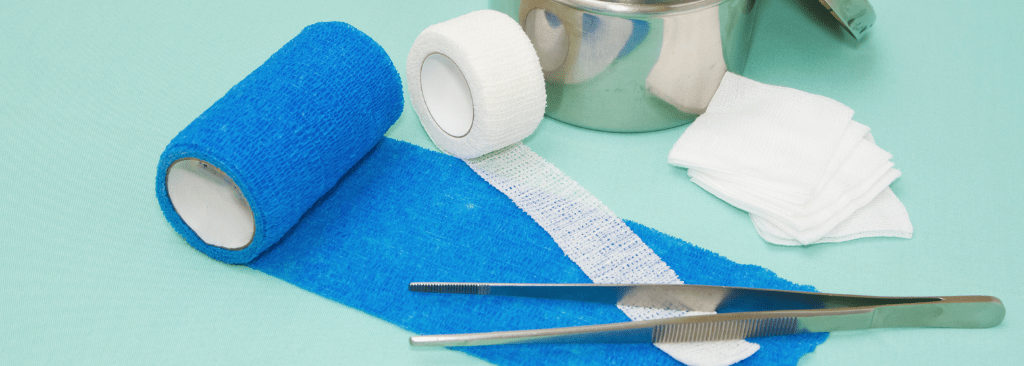
A patient can leave the hospital with NPWT arranged and still run into confusion at home if no one has clearly explained who is managing dressing changes.
Before discharge, teams should clarify:
- Who will perform or supervise dressing changes
- How often dressing changes should occur, based on the provider’s order
- Which home health agency, wound clinic, or provider is following the patient
- Who should be contacted for wound changes or clinical concerns
- Who should be contacted for equipment or supply questions
- Whether the caregiver has a role in monitoring, organizing supplies, or reporting concerns
Follow-up responsibility should be clear before the patient leaves the hospital. Medicare DME guidance notes that continued NPWT coverage may require regular wound assessment, supervised or directly performed dressing changes, and monthly documentation of wound dimensions and characteristics.3
Patients and caregivers should not have to guess whether to call home health, the wound clinic, the ordering provider, or the equipment provider when questions come up.
Make Sure the Patient and Caregiver Understand the Basics
Patient and caregiver education should be practical, not overwhelming.
Patients do not need to become wound care experts before they go home. They need clear instructions for what the therapy is meant to do, what they should watch for, and who they should contact when questions come up.
At a high level, education should help the patient and caregiver understand:
- Why NPWT is part of the care plan
- The importance of keeping the dressing sealed
- What to do if the pump alarms
- Who to call for leaks or equipment concerns
- Who to call for wound changes, fever, increased pain, odor, or drainage concerns
- How to keep supplies clean, organized, and accessible
- When and where follow-up care is scheduled
For referral teams, patient education should hold up after discharge, not just during the conversation at bedside. A caregiver who understands who to call for a pump alarm, supply issue, or wound concern is better prepared to respond without unnecessary confusion.

Plan for Supplies, Delivery, and Resupply Before Discharge
Supply planning can be one of the easiest details to overlook during a busy discharge.
Before the patient leaves, teams should confirm:
- Delivery location
- Delivery timing
- Pump needs
- Dressing kits
- Canisters
- Other ordered supplies
- Dressing change frequency as ordered
- Home health or wound clinic involvement
- Resupply process
- Contact information for supply questions
Rotech provides wound care supplies, Negative Pressure Wound Therapy solutions, reliable delivery, ordering assistance, and patient/caregiver resources through our Wound Care services.
For patients already using NPWT who need additional supplies, our NPWT Resupply Request page can help start the resupply request process.
Common Home NPWT Challenges to Plan For
Even with a strong discharge plan, questions can come up once the patient is home.
Common home NPWT challenges may include:
- Pump alarms
- Dressing seal leaks
- Confusion about who to call
- Supplies running low
- Canister questions
- Trouble keeping supplies organized
- Patient or caregiver anxiety
- Uncertainty about dressing changes
- Wound changes that need clinical attention
This guidance should not replace facility protocols, manufacturer instructions, home health guidance, or provider instructions. Still, discharge teams can reduce confusion by helping patients understand what is equipment-related, what is wound-related, and who to contact for each.
For example:
- Pump alarms, supply questions, and delivery concerns may require equipment or DME support.
- Wound changes, increased pain, fever, drainage changes, odor, bleeding, or other concerning symptoms should be directed to the patient’s healthcare provider or wound care team.
- Dressing changes should follow the provider’s order and the care team’s instructions.
Clear contact guidance can help patients and caregivers respond more confidently after discharge.

How Rotech Supports NPWT Transitions from Hospital to Home
At Rotech, we help referral teams coordinate wound care needs so patients and caregivers have a clearer path after discharge.
Our wound care services include:
- Negative Pressure Wound Therapy solutions
- Wound care supplies and advanced dressings
- Dressing and supply coordination
- Delivery support
- Ordering assistance
- Patient and caregiver resources
Our Wound Care Resources page also includes patient and caregiver education related to wound care basics, pressure ulcers, sores that will not heal, debridement, infection, diabetic foot ulcers, skin health, and NPWT resources.
For discharge teams, our role is to help reduce avoidable friction around equipment, supplies, delivery, and patient education. We work to help patients and caregivers feel less uncertain as they transition from hospital-based care to wound care at home.
You can also explore our broader Products & Services to learn more about respiratory and home medical support available through Rotech.
Frequently Asked Questions
What should be confirmed before a patient goes home with NPWT?
Before discharge, teams should confirm the provider order, wound documentation, delivery location, dressing change plan, supply needs, follow-up provider or agency, and patient/caregiver education. Coverage and documentation requirements may apply, and CMS outlines NPWT-related policy requirements through its provider compliance guidance and Local Coverage Determination resources.
Who is responsible for NPWT dressing changes after discharge?
Responsibility depends on the patient’s care plan, provider order, payer requirements, and whether home health, a wound clinic, or another licensed professional is involved. Medicare DME guidance notes that continued NPWT coverage may require regular wound assessment, supervised or directly performed dressing changes, and monthly documentation of wound dimensions and characteristics.
What NPWT supplies may need to be coordinated before discharge?
NPWT supply needs may include the pump, dressing sets or kits, canisters, and other supplies ordered for the patient’s wound care plan.
What common issues can patients or caregivers face with NPWT at home?
Patients and caregivers may have questions about pump alarms, dressing leaks, supply organization, canisters, dressing change timing, resupply, or who to call with concerns. Discharge teams can help by providing clear contact information for clinical concerns, equipment questions, and supply needs before the patient leaves.
How can a DME or wound care partner support NPWT transitions?
A DME or wound care partner can help coordinate NPWT solutions, wound care supplies, delivery, ordering assistance, and patient/caregiver resources. Through our wound care services, Rotech provides Negative Pressure Wound Therapy solutions, wound care supplies, reliable delivery, and patient/caregiver support.
Coordinate NPWT Support Before Discharge
A strong NPWT discharge plan gives patients and caregivers more than a device. It gives them clear next steps, the right supplies, a follow-up plan, and contact information for questions after they leave the hospital.
If your team is coordinating NPWT discharge planning, our team can help with wound care supplies, NPWT solutions, delivery coordination, ordering assistance, and patient/caregiver resources.
References
- Zaver, V., & Kankanalu, P. (2023). Negative Pressure Wound Therapy. PubMed; StatPearls Publishing. https://www.ncbi.nlm.nih.gov/books/NBK576388/
- Centers for Medicare & Medicaid Services (CMS). (2025). Billing and Coding: Wound and Ulcer Care (A58565). Cms.gov. https://www.cms.gov/medicare-coverage-database/view/article.aspx?articleId=58567&ver=29
- Centers for Medicare & Medicaid Services (CMS). (2023). LCD – Negative Pressure Wound Therapy Pumps (L33821). Cms.gov. https://www.cms.gov/medicare-coverage-database/view/lcd.aspx?lcdid=33821&ver=28&keyword=wound&keywordType=starts&areaId=s12&docType=NCA
- Centers for Medicare & Medicaid Services (CMS). (2024). Negative Pressure Wound Therapy | CMS. Cms.gov. https://www.cms.gov/training-education/medicare-learning-networkr-mln/compliance/medicare-provider-compliance-tips/negative-pressure-wound-therapy