

Rotech Healthcare

Topic: Wound Care

Building a Better Discharge Experience for Patients with Multiple Comorbidities

A patient hospitalized with COPD rarely has only COPD.

Heart failure, obstructive sleep apnea, diabetes, obesity, limited mobility, or a healing wound may also be part of the clinical picture, along with multiple medications, specialists, caregivers, and equipment needs waiting at home.

Each condition may have its own treatment plan. Together, they create a discharge process that depends on clear coordination across therapies, documentation, education, insurance requirements, and follow-up.

For hospital teams, every additional diagnosis can add another referral, another equipment need, another teaching point, and another opportunity for communication to break down.

A strong discharge process helps the patient leave the hospital with the equipment, instructions, support, and continuity needed to keep the care plan moving at home.


What Makes Discharge Easier for Patients with Multiple Comorbidities?

Patients with multiple chronic conditions often leave the hospital with several therapies that need to begin or continue right away.

Effective discharge planning starts before the patient leaves the acute-care setting. That may include coordinating equipment delivery, patient and caregiver education, documentation, insurance verification, and follow-up support.

When these elements are aligned, patients and caregivers are better prepared to continue the treatment plan established by the care team.


Why Multiple Comorbidities Create More Complex Discharges

Every discharge includes logistics. Complex discharges add more layers to coordinate.

Consider a patient admitted for a COPD exacerbation who also has heart failure, obesity, diabetes, and obstructive sleep apnea. Before discharge, the care team may need to coordinate:

Each task may be manageable on its own. Coordinating all of them within a short discharge timeline is where referral teams often feel the most pressure.

The more therapies involved, the more important it becomes to reduce handoffs, clarify responsibilities, and confirm that patients know what to do once they get home.


Common Challenges During Complex Discharges

While every patient is different, discharge teams often encounter similar barriers when planning for medically complex patients.

Multiple Equipment Needs

Patients may require oxygen therapy, PAP therapy, mobility equipment, nebulizers, wound care supplies, or diabetes supplies at the same time. When multiple vendors are involved, referral teams may have to manage separate communication channels, delivery timelines, documentation requests, and follow-up processes.

Insurance and Authorization Requirements

Coverage requirements can vary by therapy and payer. Documentation, authorization, and benefit verification may all affect how quickly equipment or supplies can be arranged.

Patient and Caregiver Education

Learning one new therapy can be challenging. Learning several at once can be overwhelming.

Patients and caregivers need clear, practical education that explains:

  • How each piece of equipment works
  • When and how each therapy should be used
  • Who to call with equipment or supply questions
  • What changes should be shared with the prescribing provider
  • How each therapy fits into the broader care plan

Communication Across Providers

Primary care physicians, pulmonologists, cardiologists, respiratory therapists, home health clinicians, case managers, discharge planners, and DME providers may all play a role in the transition home.

Without clear communication pathways, important details can become fragmented between the hospital and the home setting.


A Practical Check Before Discharge

For patients with several home therapy needs, referral teams may be able to reduce confusion by confirming a few key details before the patient leaves the hospital:

  • Has each ordered therapy been matched with the correct equipment or supply need?
  • Has documentation been sent to the appropriate provider or supplier?
  • Have insurance or authorization requirements been reviewed?
  • Does the patient or caregiver know when equipment will arrive?
  • Does the patient know who to call for equipment questions?
  • Does the patient know which symptoms or changes should be reported to the prescribing provider?
  • Has follow-up support been clearly explained?

These steps may seem simple, but they can make a meaningful difference when patients are managing several therapies at once.


Why One Connected DME Partner Can Simplify the Process

For patients with multiple comorbidities, equipment is only one part of the discharge plan. The larger challenge is coordinating the details around that equipment.

Working with a DME partner that supports multiple therapy areas can help referral teams reduce unnecessary complexity by:

  • Streamlining referral communication
  • Coordinating equipment setup and delivery
  • Helping manage documentation and insurance requirements
  • Providing consistent patient and caregiver education
  • Offering one point of contact for multiple home therapy needs
  • Supporting patients after discharge with service and supply needs

Instead of coordinating several separate vendors, referral teams may be able to simplify the transition through one connected relationship.

That can create a more consistent experience for providers, caregivers, and patients.

Related: What Makes a Successful Home NIV Transition? A Practical Guide for Discharge Teams


The Role of Respiratory Support, Equipment Setup, and Patient Education

For patients with multiple comorbidities, equipment needs are rarely limited to one therapy.

A patient discharged after a COPD exacerbation may need home oxygen therapy while also using PAP therapy for obstructive sleep apnea. Another patient may be transitioning home with non-invasive ventilation, diabetes management supplies, mobility equipment, or wound care solutions.

Providing the right equipment is an important first step. Patients and caregivers also need to understand how to use it safely and consistently at home.

That includes education on:

  • When and how each therapy should be used
  • Basic equipment setup and maintenance
  • Common troubleshooting steps
  • Supply replacement or reorder processes
  • When to contact the prescribing provider
  • Who to call with equipment or service questions

When education is rushed or divided among several organizations, important details can be missed. Consistent instruction at setup can help patients and caregivers feel more prepared as they move from hospital routines to home routines.

For referral teams, working with a partner that supports multiple therapy areas can help create a more coordinated experience from the start.

Make the Next Complex Discharge Easier

When patients require multiple therapies, coordinated support can reduce unnecessary handoffs and help them transition home with greater confidence.


Why Follow-Up Matters After the Patient Goes Home

Discharge is a milestone, but it is not the end of the care transition.

The first days at home often determine whether patients and caregivers can establish new routines or begin running into barriers. Equipment questions come up. Supplies may need to be replaced. Instructions may need to be reinforced. Caregivers may discover challenges that were not obvious in the hospital.

Without timely support, small issues can lead to therapy interruptions, missed follow-up steps, or avoidable frustration for patients and caregivers.

That is why effective discharge planning extends beyond the day the patient leaves the hospital.

A coordinated post-acute partner can help reinforce education, address equipment concerns, communicate with referral sources when appropriate, and support patients as they continue the prescribed care plan at home.


How Rotech Helps Referral Teams Support Complex Discharges

Hospital teams are balancing discharge efficiency, patient experience, documentation requirements, and continuity of care. Rotech’s role is to help simplify what happens after the referral is placed.

Across respiratory care, sleep therapy, diabetes management, wound care, mobility, and home medical equipment, our team works alongside referral sources to help coordinate the details that keep care moving forward.

Depending on the patient’s needs, provider orders, payer requirements, and local availability, Rotech may help with:

  • Coordinating equipment setup and delivery
  • Assisting with documentation and insurance verification
  • Educating patients and caregivers during equipment setup
  • Supporting multiple therapy needs through one organization whenever possible
  • Communicating with referral teams throughout the transition
  • Providing ongoing service and supply support after discharge

For medically complex patients, fewer handoffs can help create a smoother experience for both providers and the people they care for.

Our goal? Helping referral teams support patients as they continue prescribed care safely and confidently at home.


Coordinated Support Through CarePLUS™

Rotech’s CarePLUS™ approach is designed to support healthcare professionals by serving as an extension of the care team in the home.

Through CarePLUS™, Rotech helps coordinate services with prescribed orders, identify potential patient needs, share relevant updates with providers, and support patients as they manage care at home.

For complex discharges, that added visibility can be especially valuable. Patients with multiple comorbidities may need more than equipment delivery. They may need reinforcement, practical education, ongoing service, and a clear path for questions after they leave the hospital.


Frequently Asked Questions

What makes discharge planning more challenging for patients with multiple comorbidities?

Patients with multiple chronic conditions often require several therapies, specialists, medications, supplies, and pieces of equipment at the same time. Coordinating documentation, insurance requirements, equipment delivery, patient education, and follow-up across multiple services can increase the complexity of discharge planning.

How can a DME partner support complex patient discharges?

A home medical equipment partner can help coordinate equipment delivery, assist with documentation and insurance requirements, provide patient and caregiver education, support multiple therapy needs, and communicate with referral sources during the transition home. Working with one organization that supports several therapy areas may also help reduce unnecessary handoffs.

Why is patient education important before discharge?

Patients are often expected to begin or continue therapies soon after returning home. Clear education helps patients and caregivers understand how equipment works, when to use it, who to contact with questions, and how each therapy supports the care plan prescribed by their healthcare provider.

What types of respiratory equipment may be involved in complex discharges?

Depending on the patient’s diagnosis and provider orders, discharge plans may include home oxygen therapy, CPAP or BiLevel therapy, non-invasive ventilation, nebulizers, airway clearance devices, pulse oximetry, and related respiratory supplies.

How can providers help reduce confusion after a patient goes home?

Providers can help by starting discharge planning early, confirming equipment timelines, identifying a primary contact for questions, reinforcing patient and caregiver education, and partnering with organizations that provide coordinated post-discharge support.


Make the Next Complex Discharge Easier

Patients with multiple comorbidities rarely fit into one diagnosis or one therapy. Successful discharge planning reflects that reality by coordinating the people, equipment, education, and follow-up needed to support the patient at home.

At Rotech Healthcare, we work alongside referral teams to help simplify that process through coordinated home medical equipment, respiratory support, patient education, and ongoing service.

Whether a patient is transitioning home with oxygen therapy, sleep therapy, diabetes supplies, wound care, mobility equipment, or several therapies together, our team helps make the next step easier to manage.

Coordinating Care at Home with Multiple Chronic Conditions

Managing more than one health condition often means managing more than one routine.

Maybe you use oxygen during the day, a CPAP machine at night, diabetes supplies before meals, and mobility equipment to move safely around the house. Maybe you are helping a parent keep track of supplies, appointments, insurance updates, and instructions from several different providers.

That is a lot to organize, but with the right plan and support, home care can feel more manageable.

Having the right equipment, clear routines, and dependable support can help connect the pieces, so daily care feels easier to follow.


How Can Home Care Be Easier with Multiple Chronic Conditions?

Home care is easier when your equipment, supplies, and support all work together around your care plan.

That means knowing what each device is for, when supplies need to be replaced, who to call with questions, and how to spot changes that should be shared with your healthcare provider.

The goal is to create a routine that helps you stay consistent, informed, and supported at home.


Why Managing More Than One Condition Can Feel Complicated

Many people living with chronic conditions do not have just one diagnosis or one piece of equipment. For example, someone with COPD may also have sleep apnea, diabetes, heart failure, mobility needs, or a wound that requires ongoing care.

That can mean:

  • Multiple doctors or specialists
  • More than one home medical device
  • Different supply replacement schedules
  • Insurance updates or benefit changes
  • Medication and therapy routines
  • Caregiver coordination
  • Questions about who to call when something changes

Even small details can become stressful if they are not organized. Running low on CPAP supplies, missing a diabetes supply reorder, forgetting who handles oxygen equipment, or being unsure about wound care instructions can interrupt the routine you rely on.


Start With One Clear List of Your Therapies, Supplies, and Care Contacts

One of the simplest ways to make home care easier is to keep one current list of everything you use and who supports it.

Your list may include:

  • Oxygen equipment, including concentrators, tanks, tubing, or cannulas
  • CPAP or BiLevel equipment, including masks, filters, tubing, and cushions
  • Diabetes supplies, such as CGMs, meters, test strips, lancets, or insulin pump supplies
  • Wound care supplies or therapy equipment
  • Nebulizers or airway clearance devices
  • Mobility equipment, such as walkers, wheelchairs, canes, or hospital beds
  • Provider names and phone numbers
  • Your local Rotech location or support contact information
  • Insurance information and effective dates

Keep this list somewhere easy to find. Caregivers may also want a copy, especially if they help with appointments, supply orders, or daily routines.


Know Which Symptoms or Changes Should Be Shared with Your Care Team

Your home equipment and supplies are there to support your prescribed care plan. If something changes, it is important to know when to ask for help.

Contact your healthcare provider if you notice new or worsening symptoms, such as:

  • Increased shortness of breath
  • Chest pain or pressure
  • New dizziness, confusion, or extreme fatigue
  • Changes in wound appearance, drainage, odor, or pain
  • Low or high blood sugar readings outside your provider’s guidance
  • New swelling or sudden weight changes
  • Trouble using equipment as prescribed
  • Any symptom that feels unusual or concerning

If you are having a medical emergency, call 911.

You should also contact your home medical equipment provider if equipment is not working properly, supplies are missing, or you are unsure how to use or maintain something.


Make Equipment and Supply Routines Easier to Manage

When several therapies are part of daily life, small routines can prevent bigger headaches.

Try these tips:

  • Set reorder reminders. Add supply replacement dates to your calendar.
  • Keep backup supplies when possible. Ask your provider what extras are appropriate to keep on hand.
  • Store supplies in one place. Use labeled bins or shelves for CPAP, oxygen, wound, or diabetes items.
  • Check equipment regularly. Look for cracked tubing, loose connections, dirty filters, or worn mask cushions.
  • Review instructions after setup. If something feels unclear, ask questions before it becomes frustrating.
  • Update insurance information promptly. Plan changes can affect supply coverage, billing, or provider networks.
  • Tell your care team about changes. New symptoms, new equipment needs, or changes in your home setup may affect your care plan.

If you use CPAP supplies, Sleep Central can help make replacement supplies easier to manage. If you need support with oxygen, diabetes supplies, wound care, or other equipment, your local Rotech team can help guide you to the right resource.


How Coordinated Support Can Help Connect the Pieces

Coordinated support means you are not trying to manage every detail on your own.

For patients with multiple care needs, support may include:

  • Helping verify equipment or supply needs
  • Explaining how equipment works at home
  • Coordinating supply delivery
  • Helping with insurance or documentation questions
  • Supporting caregiver education
  • Connecting patients with the right local contact
  • Helping identify when equipment needs may have changed

Rotech’s CarePLUS™ approach is one way coordinated support can make things easier at home. Through CarePLUS™, our team helps keep an eye on how things are going and supports you between visits with your healthcare provider.

That might include noticing when something feels off, helping you understand your equipment, coordinating certain tests when ordered, or making sure important updates are shared with your provider so your care stays on track.


How Rotech Supports Patients with Multiple Care Needs at Home

Rotech provides respiratory and home medical products and services designed to help patients manage care at home with more confidence.

Depending on your needs and your provider’s orders, our services may include:

Our team understands that equipment should support your life at home, not make it harder. We help patients and caregivers learn how to use equipment, understand supply routines, and know where to turn with questions.


Related Reading

You may also find these resources helpful:


Frequently Asked Questions

How do I keep track of multiple home medical supplies?

Start with a simple list of the supplies you use, how often they are replaced, who provides them, and when you should reorder. Many patients and caregivers find it helpful to keep this list near their medication list or calendar. If your supplies come from more than one source, write down each contact number so you know who to call.

Can one home medical equipment provider help with more than one therapy?

In many cases, yes. A home medical equipment provider may support several types of equipment or supplies, such as oxygen therapy, CPAP supplies, diabetes supplies, wound care solutions, nebulizers, or mobility equipment. Your exact services depend on your physician’s orders, insurance coverage, and local availability.

What should I do if my equipment needs change?

If your symptoms change or you think your equipment is no longer meeting your needs, contact your healthcare provider first. Your doctor can determine whether your care plan or equipment order needs to be updated. You can also contact your Rotech team if equipment is not working properly, supplies are missing, or you have questions about setup or maintenance.

How can caregivers help coordinate care at home?

Caregivers can help by keeping supply lists updated, tracking appointments, saving important phone numbers, watching for changes in symptoms, and helping the patient follow equipment instructions. Caregivers should also know when to call the doctor, when to call the equipment provider, and when to seek emergency care.

When should I contact my doctor about new or worsening symptoms?

Contact your healthcare provider if you notice new or worsening symptoms, changes in breathing, changes in wound appearance, unusual blood sugar readings, new swelling, dizziness, extreme fatigue, or trouble following your prescribed care plan. If symptoms are severe or feel like an emergency, call 911.


Get Support for Your Home Medical Equipment Needs

Managing multiple conditions at home is easier when your equipment, supplies, and support are connected around your care plan.

Rotech is here to help you feel more confident with your home medical equipment needs, from setup and education to ongoing support and supply coordination.

Wound Care Without the Wait – How Rotech Delivers Faster Healing & Safer Transitions

The Referral Challenge: Why Wound Care Can’t Wait

Hospital discharge marks a pivotal point in a patient’s recovery, especially for those dealing with complex wounds. Delays in treatment can lead to complications, readmissions, and increased healthcare costs, not to mention physical and emotional distress for patients and caregivers.

Yet coordinating wound care across providers, payers, and family members is often time-consuming and fragmented. Discharge planners and Wound Ostomy Continence Nurses (WOCNs) need a reliable partner to simplify that transition.

That’s where Rotech WoundCare Complete™ comes in.


At a Glance: What Makes Rotech WoundCare Complete™ Different

Rotech WoundCare Complete™ is a full‑spectrum wound care solution built for post‑acute transitions. From state‑of‑the‑art Negative Pressure Wound Therapy (NPWT) to comprehensive dressing inventories and fast delivery, our streamlined wound care program bridges the gap between hospital and home, helping patients heal faster while simplifying the referral process for you.

Feature Benefit
Negative Pressure Wound Therapy (NPWT) Speeds healing, reduces complications, and promotes comfort.
Extensive Dressing and Supply Inventory Access to leading brands and advanced wound care supplies.
Fast, Easy Referral Process Dedicated coordination team to reduce your workload.
Insurance and Medicare Coordination We handle the paperwork to simplify patient access.
Patient and Caregiver Support Education, setup, troubleshooting, so your patient isn’t left guessing.
Nationwide Reach, Local Feel Over 300 locations delivering local service with national scale.

By choosing Rotech as your wound care partner, you’re choosing a provider that sees the patient’s home as the next vital step in care, not an afterthought.


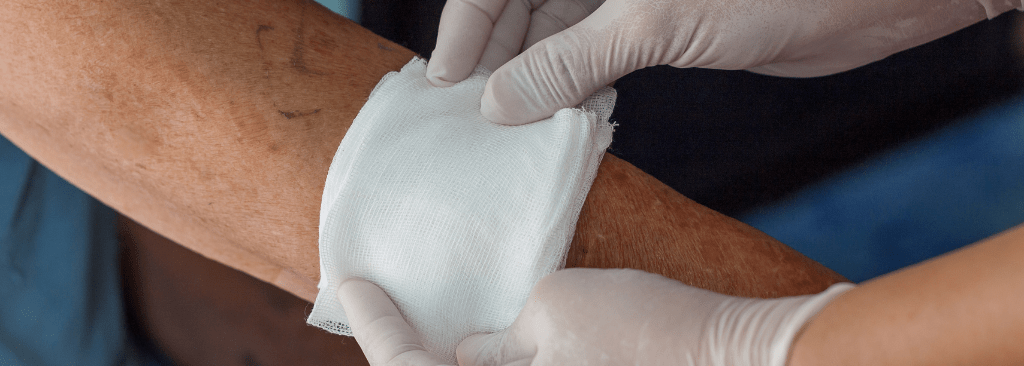
Image shows nurse bandaging senior woman's arm at home

Why Post-Acute Wound Care Is a Priority

Chronic wounds impact an estimated 6.5 million patients in the U.S., many of whom are older adults or individuals with multiple comorbidities.1 Delays in treatment can lead to:

  • Increased risk of infection
  • Extended hospital stays or readmissions
  • Higher overall healthcare costs

In fact, in one cohort, wound complications accounted for 26.5% of 30-day readmissions.7 The Centers for Medicare & Medicaid Services (CMS) also estimates that wound-related costs range from $28.1 to $96.8 billion annually,2 making timely, effective post-discharge wound care a national priority.


Did You Know?

NPWT has been shown to reduce time to wound closure by up to 4 weeks compared to conventional dressings, with fewer complications and lower long-term costs.10

Let Rotech help you deliver that kind of outcome.


What Is Negative Pressure Wound Therapy (NPWT)?

NPWT is a clinically proven therapy that uses controlled suction to promote faster wound healing by:

  • Drawing out excess fluid and exudate
  • Improving blood flow to the wound bed
  • Promoting granulation tissue formation
  • Reducing frequency of dressing changes

Wound Types That Benefit Most:

  • Chronic non-healing wounds (e.g., diabetic foot ulcers, venous ulcers)
  • Burns and graft donor sites
  • Wounds with high drainage or infection risk
  • Post-surgical or trauma wounds

Backed by Evidence:

  • NPWT accelerates healing time by up to 50% compared to standard care in certain wounds.3
  • NPWT reduced outpatient treatment time by ~16 days in patients with complex diabetic wounds.8
  • A systematic review found that NPWT led to 56% closure rates vs. 39% with standard dressings (p = 0.04).3
  • It has also been shown to reduce surgical site infection rates and hospital readmissions in patients with comorbidities.5
  • Clinical trials show NPWT improves comfort, quality of life, and long-term outcomes.6
  • After 43 days of NPWT, 90% of ulcers healed vs. 48% with standard therapy.4


Seamless Discharge-to-Home Coordination

Our referral process is simple, fast, and fully supported by our intake specialists and wound care experts. Rotech collaborates with discharge planners, WOCNs, and physicians to ensure:

  • Same-day referral processing
  • Rapid equipment and supply delivery
  • One-call setup for NPWT and dressing needs
  • Insurance authorization support and follow-through

What This Means for You

  • Less time chasing vendors
  • More confidence in continuity of care
  • Happier patients and fewer follow-up calls

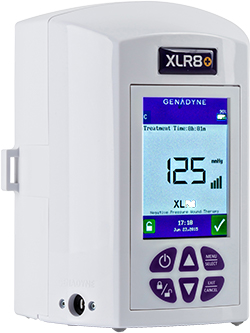
Image of Genadyne negative pressure wound therapy machine

Equipment, Supplies, and Support — All in One Place

Rotech carries a full line of NPWT devices, including Genadyne XLR8+ and Smith+Nephew RENASYS GO, as well as a comprehensive inventory of advanced dressings:

  • Hydrogels, alginates, foam, and hydrocolloids
  • Gelling fibers and super-absorbent dressings
  • Adhesive-free solutions like HidraWear™ for Hidradenitis Suppurativa
  • Traditional supplies: gauze, tape, wraps, cleansing agents

We ensure fast, reliable delivery to the patient’s home, often within 24–48 hours of referral.


Medicare, Medicaid, and Insurance Coordination

We know that coverage questions can delay healing. Rotech verifies benefits and handles the paperwork for:

  • Medicare Part B wound care coverage (with physician prescription)
  • Medicare Advantage Plans
  • Private insurance and Medicaid
  • Supplies billed directly to payers

This reduces patient out-of-pocket costs and eliminates stress for your staff.


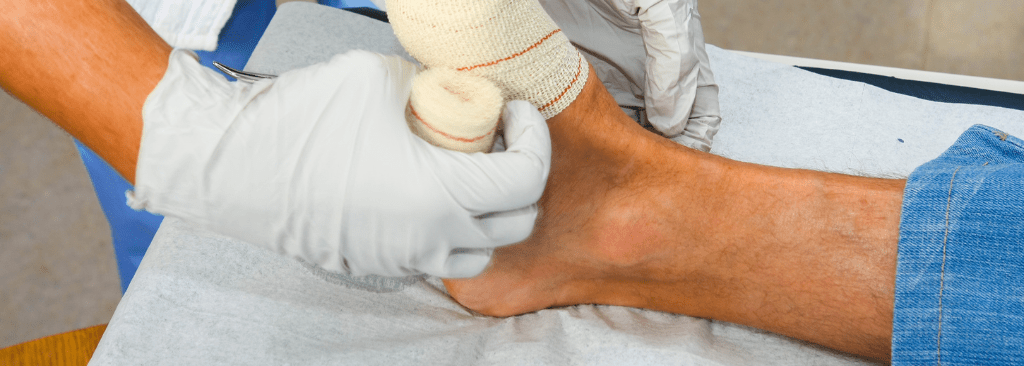
Image of female caregiver wrapping bandage around senior woman's arm

Quick Facts: Why Rotech for Wound Care?

  • Same-Day Intake Processing & Delivery
  • Live Patient Education & Support
  • Full Clinical & Technical Support
  • NPWT Pump Resupply & Pickup Coordination
  • Provider & Patient Educational Resources Available

Empowering Patients and Caregivers

Healing at home can be overwhelming, especially for patients with complex dressings or unfamiliar equipment.

That’s why Rotech offers:

  • Easy-to-follow setup guides and video instructions
  • Live support from our wound care specialists
  • Caregiver coaching to support at-home dressing changes
  • Simple resupply and pickup options online or by phone

We’re not just delivering supplies — we’re delivering peace of mind.


Image of HidraWear wound dressing product packaging

HidraWear for HS Patients

Rotech is a proud supplier of HidraWear™, the award-winning dressing system designed for people with Hidradenitis Suppurativa (HS):

  • Adhesive-free and frictionless for sensitive areas
  • Easy to wear, change, and remove
  • Increases independence and comfort

Why It Matters: Outcomes, Efficiency, and Trust

Wound care delays don’t just affect healing; they affect readmission rates, satisfaction scores, and costs:

  • Faster NPWT implementation leads to fewer infections and shorter healing time9
  • Value-based care models penalize readmissions — making seamless transitions essential

Rotech’s program helps referral sources close those gaps, reduce phone tag, and improve both patient and organizational outcomes.


Let’s Simplify Your Wound Care Referrals

Your patients deserve to heal at home with comfort and confidence. You deserve a partner who makes wound care less complicated.

With Rotech WoundCare Complete™, you get just that.

One Call. One Partner. One Complete Program.

  • Call your local Rotech office
  • Submit a referral online
  • Let us handle the coordination

Image of senior man in wheelchair looking at his laptop

Wound Care FAQ

Q: What type of wounds qualify for NPWT at home?

A: Chronic non-healing ulcers, burns, post-op wounds, donor sites, and wounds with excess drainage or infection risk.

Q: How quickly can Rotech deliver wound‑care equipment after discharge?

A: Rotech specializes in fast intake and delivery. Referral today can trigger same‑day or next‑day delivery depending on patient location and supplies needed.

Q: Are advanced wound‑care supplies covered by Medicare or insurance?

A: Yes, when medically necessary and prescribed. Rotech handles verification and billing.

Q: Can Rotech support both NPWT and advanced dressings for the same patient?

A: Absolutely. Rotech WoundCare Complete™ bundles everything into a streamlined, single-referral process.


References

  1. Sen, C. K., Gordillo, G. M., Roy, S., Kirsner, R., Lambert, L., Hunt, T. K., Gottrup, F., Gurtner, G. C., & Longaker, M. T. (2009). Human skin wounds: a major and snowballing threat to public health and the economy. Wound Repair and Regeneration: Official Publication of the Wound Healing Society and the European Tissue Repair Society, 17(6), 763–771. https://doi.org/10.1111/j.1524-475X.2009.00543.x
  2. Sen, C. K. (2019). Human Wounds and Its Burden: An Updated Compendium of Estimates. Advances in Wound Care, 8(2), 39–48. https://doi.org/10.1089/wound.2019.0946
  3. Armstrong, D. G., & Lavery, L. A. (2005). Negative pressure wound therapy after partial diabetic foot amputation: a multicentre, randomised controlled trial. The Lancet, 366(9498), 1704–1710. https://doi.org/10.1016/s0140-6736(05)67695-7
  4. Normandin, S., Safran, T., Winocour, S., Chu, C. K., Vorstenbosch, J., Murphy, A. M., & Davison, P. G. (2021). Negative Pressure Wound Therapy: Mechanism of Action and Clinical Applications. Seminars in Plastic Surgery, 35(03), 164–170. https://doi.org/10.1055/s-0041-1731792
  5. Bastawisy, K. A., Hassan, B. D., Loon, M. M., Rodrigo, S., & Ali, M. (2025). Negative Pressure Wound Therapy in the Prevention of Surgical Site Infections Following Abdominal Surgery: A Systematic Review. Cureus, 17(4). https://doi.org/10.7759/cureus.82237
  6. Othman, D. (2012). Negative Pressure Wound Therapy Literature Review of Efficacy, Cost Effectiveness, and Impact on Patients’ Quality of Life in Chronic Wound Management and Its Implementation in the United Kingdom. Plastic Surgery International, 2012, 1–6. https://doi.org/10.1155/2012/374398
  7. Goel, A. N., Raghavan, G., St John, M. A., & Long, J. L. (2019). Risk Factors, Causes, and Costs of Hospital Readmission After Head and Neck Cancer Surgery Reconstruction. JAMA Facial Plastic Surgery, 21(2), 137–145. https://doi.org/10.1001/jamafacial.2018.1197
  8. Seidel, D., Lefering, R., Storck, M., Lawall, H., Wozniak, G., Mauckner, P., Hochlenert, D., Wetzel-Roth, W., Sondern, K., Hahn, M., Rothenaicher, G., Krönert, T., & Zink, K. (2022). NPWT resource use compared with standard moist wound care in diabetic foot wounds: DiaFu randomized clinical trial results. Journal of Foot and Ankle Research, 15(1). https://doi.org/10.1186/s13047-022-00569-w
  9. Erzsébet Szabóné Révész, Áron Altorjay, Valéria Montskó, & László Hangody. (2022). Effectiveness of negative pressure wound therapy: Minimum five-year follow-up and review of the literature. Joint Diseases and Related Surgery, 33(1), 51–56. https://doi.org/10.52312/jdrs.2022.547
  10. Blume, P. A., Walters, J., Payne, W., Ayala, J., & Lantis, J. (2008). Comparison of Negative Pressure Wound Therapy Using Vacuum-Assisted Closure With Advanced Moist Wound Therapy in the Treatment of Diabetic Foot Ulcers: A multicenter randomized controlled trial. Diabetes Care, 31(4), 631–636. https://doi.org/10.2337/dc07-2196

Handwashing: The Simplest Step to Better Health

What’s both incredibly simple and astonishingly powerful? Handwashing! The first full week of December is National Handwashing Awareness Week.  We’re here to dive into why this everyday activity is a game changer, especially for those of us managing chronic wounds or conditions like COPD and diabetes.

Why Handwashing is a Big Deal

You might be thinking, “It’s just handwashing, why does it matter?” It does! Handwashing is like your personal health guardian. It’s your frontline defense against germs that can lead to infections and other health complications.

For those with conditions like COPD or diabetes, your skin can be more vulnerable and your body may have a tougher time healing. This means that preventing infections through something as simple as regular handwashing can be a crucial part of managing your condition. It’s not just about cleanliness; it’s about maintaining your health stability. Each time you wash your hands, think of it as a positive, proactive step towards staying healthy and avoiding unnecessary complications.

In a world where health can be complex and challenging, handwashing is a straightforward, effective tool that everyone can use. It empowers you to take control of your health in a very real, tangible way.

The Science of Suds

When you have chronic conditions like COPD or diabetes, your immune system might be working overtime. This makes you more susceptible to infections. Germs are sneaky little things. They hitch a ride on our hands from everything we touch – door handles, medical equipment, even our phones (yep, they’re germ hotspots!). Washing your hands properly sends these germs down the drain, literally.

Washing Your Hands Like a Pro

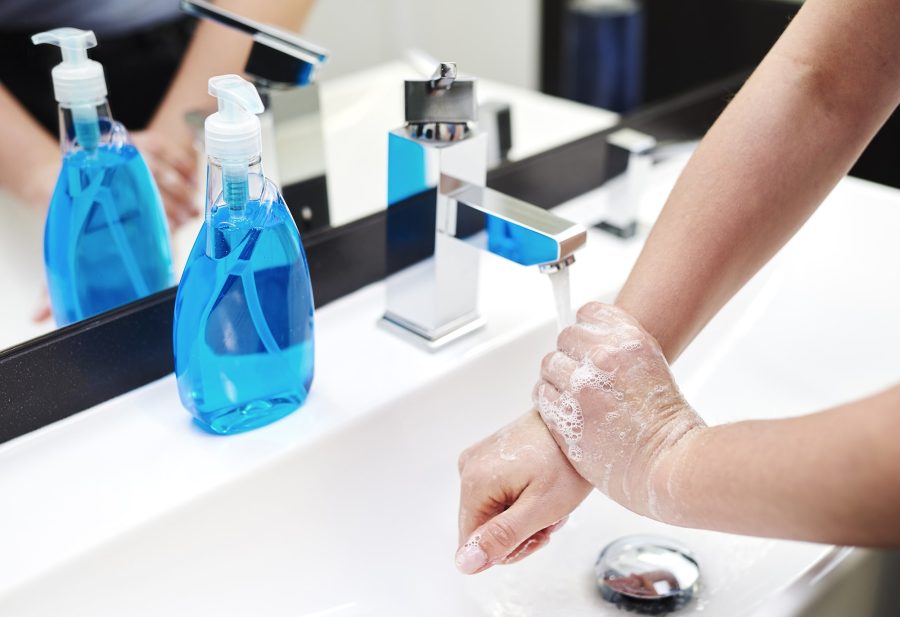
Here’s the step-by-step to effective handwashing:

  • Wet your hands with clean, running water. Warm or cold? According to the CDC, both are equally effective!
  • Lather up with soap. Don’t forget the backs of your hands, between your fingers, and under those nails. Soap and friction help lift the dirt, grease, and microbes from your skin so they can be rinsed away.
  • Scrub for at least 20 seconds. Studies show that washing hands for 15-30 seconds removes more germs than washing for a shorter amount of time.
  • Rinse well under clean, running water.
  • Dry your hands using a clean towel or air dry them.

Hand Sanitizer: The On-the-Go Option

Can’t get to a sink? Hand sanitizer is your next best friend, as long as your hands aren’t visibly dirty or greasy. Just make sure it contains at least 60% alcohol. Rub it all over your hands until they’re dry, and voilà!

Integrating Handwashing into Your Routine

For home medical patients, integrating handwashing into your daily routine is vital. Before and after using any medical equipment, make it a habit. Washing hands before checking your blood sugar, putting on your CPAP mask, or handling your oxygen concentrator can prevent infections and keep your equipment in top shape.

In the grand scheme of things, handwashing is a small act, but it holds immense power in protecting your health. This National Handwashing Awareness Week, commit to keeping those hands clean. This simple step makes a world of difference in managing your health with confidence and ease!

Our chat has moved!

To chat with our team about CPAP Supplies, Insurance Changes, or Patient Accounts, please click on the blue chat icon on the bottom right corner of the page.