


When you live with COPD, some coughing or shortness of breath may be part of an ordinary day. That can make it difficult to know when a symptom is simply familiar and when something is beginning to change.
Cold and flu season adds another layer to that question. A scratchy throat could be a cold, while more mucus could mean that your symptoms are changing. And more breathlessness than usual could be worth a call to your healthcare provider.
This article walks through common COPD flare-up symptoms, how respiratory infections may affect COPD, and what your healthcare provider may want to know. It isn’t a way to diagnose yourself. Only your provider can determine what’s causing a change in how you feel.
In This Article
- What Is a COPD Flare-Up?
- Start With Your Usual Symptoms
- Common COPD Flare-Up Symptoms
- Flare-Up, Cold, Flu, or Infection?
- Why Cold and Flu Season Is Harder
- What to Do When Symptoms Change
- When to Call Your Provider
- When Breathing Trouble Is an Emergency
- How to Prepare for Cold and Flu Season
- How Rotech Supports COPD Care at Home
- Frequently Asked Questions
What Is a COPD Flare-Up?
A COPD flare-up, also called an exacerbation, is a noticeable worsening of your usual COPD symptoms. Changes may include more coughing, more mucus or a change in it, greater shortness of breath, wheezing, fatigue, or trouble sleeping. Some flare-ups can be managed at home with your provider’s guidance, while others need prompt medical attention.

Start With Your Usual COPD Symptoms
Before you can spot a change, it helps to know your starting point. Doctors often call this your baseline. In plain terms, it’s how you usually feel on an average day when your COPD is under control.
Think about your typical pattern:
- How far can you walk before you need to stop and catch your breath?
- How often do you cough, and when?
- How much mucus do you usually bring up?
- What does your mucus normally look like?
- Do you wheeze on some days and not others?
- How much energy do you usually have?
- How well do you normally sleep?
- Which everyday activities can you usually complete?
Knowing how you feel on an ordinary or good day can make worsening symptoms easier to recognize. Some people keep a short daily note or use the symptom tracker included in their COPD action plan. Caregivers may notice changes, too.
You can also review the COPD action and management plan worksheet from the American Lung Association.
Related Reading: What to Do When You Feel Short of Breath With COPD
What Are Common COPD Flare-Up Symptoms?
COPD flare-up symptoms tend to be the same symptoms you already live with, but they become stronger, more frequent, or harder to manage.
Common changes may include:
- More coughing than usual
- More mucus
- A noticeable change in the color, thickness, or amount of mucus
- Greater shortness of breath
- Difficulty taking a deep breath
- New or worsening wheezing
- More fatigue
- Trouble sleeping because of coughing or breathlessness
- Difficulty completing ordinary activities
- Fever or chills when an infection may be present
You may feel short of breath while doing something that’s normally manageable. Showering, cooking, getting dressed, or walking to the mailbox may take more effort than usual.
Not everyone has every symptom, and these changes can have other causes. A single difficult afternoon doesn’t necessarily mean you’re having a COPD flare-up. Pay attention to symptoms that continue, become worse, or feel different from your usual COPD symptoms. Your healthcare provider can evaluate what’s happening.
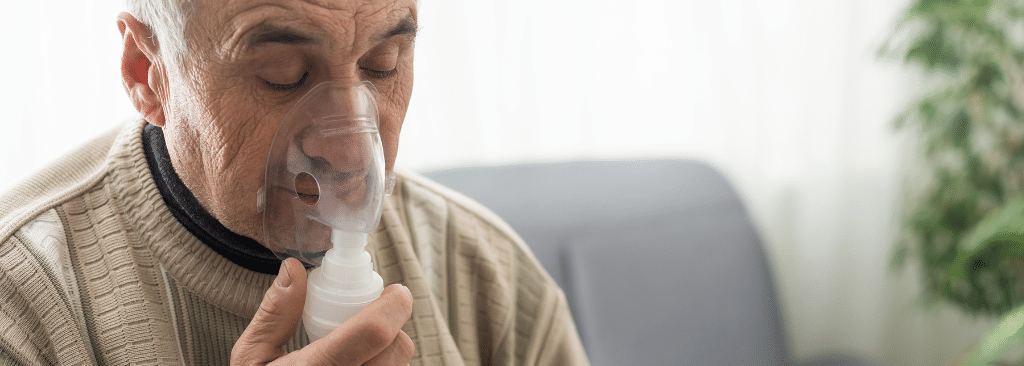
COPD Flare-Up, Cold, Flu, or Another Infection?
This can be difficult to determine at home because the symptoms overlap.
A cold or influenza can cause coughing, congestion, fatigue, fever, and mucus changes. Respiratory infections can also trigger a COPD flare-up. For many people with COPD, an infection can travel deeper into the lungs and sometimes lead to pneumonia, which makes breathing harder and requires medical evaluation.
A change in mucus color can be one sign that your COPD symptoms are worsening, but it can’t tell you the full cause by itself. Report the change to your healthcare provider, especially if you also have more coughing, fever, or shortness of breath.
Rather than trying to figure out the cause yourself, describe what feels different. Tell your provider about changes in your breathing, coughing, mucus, sleep, energy, or ability to complete everyday activities.
Why Is Cold and Flu Season More Difficult With COPD?
Cold weather doesn’t cause COPD, and a drop in temperature doesn’t automatically cause a flare-up. This time of year can still bring additional respiratory challenges.
People often spend more time indoors during colder months, which may increase exposure to respiratory viruses. Cold or dry air can bother some people’s breathing, while indoor smoke, dust, cleaning products, chemicals, and strong fragrances may act as COPD triggers.
Your triggers may be different from someone else’s. Work with your healthcare provider to identify them, and include them in your COPD action plan.

What Should You Do When COPD Symptoms Begin to Change?
Start with your COPD action plan. This written plan explains how to manage COPD when your symptoms are under control, which warning signs to watch for, what to do when symptoms worsen, when to contact your healthcare provider, and when to seek emergency care.
If you don’t have a COPD action plan, ask your healthcare provider about creating one.
Take your medication as prescribed, and use oxygen, nebulizers, or other respiratory equipment exactly as directed. Continue paying attention to your breathing, coughing, mucus, sleep, and energy so you can clearly describe the change when you call.
Don’t increase your oxygen flow, use medication more often, or change respiratory-equipment settings unless your healthcare provider has directed you to do so.
Keep two sets of contact information somewhere easy to find:
- Your healthcare provider’s information for symptoms, medication, and treatment questions
- Rotech’s information for equipment problems, alarms, supplies, maintenance, or troubleshooting
If prescribed equipment isn’t working properly, find your local Rotech location and contact the team for support.
When Should You Call Your Healthcare Provider?
Your COPD action plan comes first because instructions differ from person to person. In general, contact your healthcare provider if you notice:
- More shortness of breath than usual
- Increasing coughing or wheezing
- More mucus or a noticeable change in its color, thickness, or amount
- Fever or chills
- Symptoms that are worsening or not improving
Also call if you feel unusually tired or foggy, have trouble eating, drinking, sleeping, or completing your usual activities, or feel that you need more oxygen than prescribed. Questions about medication, oxygen, or your treatment plan are also worth a call, as is difficulty using prescribed equipment.
The American Lung Association recommends knowing how you feel on a typical day and contacting your healthcare provider when symptoms worsen.
Follow your COPD action plan when symptoms begin to worsen rather than waiting for them to become severe.

When Is Breathing Trouble an Emergency?
This isn’t a complete list. Follow the emergency instructions in your COPD action plan, and call 911 if your symptoms are severe or quickly worsening.
Call 911 for:
- Severe or quickly worsening difficulty breathing
- Blue or gray lips, fingertips, or nail beds
- Chest pain
- Fainting
- New confusion or unusual sleepiness
- Trouble speaking normally because you can’t catch your breath
- Any symptom your healthcare provider has told you to treat as an emergency
Don’t drive yourself during a medical emergency.
How Can You Prepare for Cold and Flu Season?
No habit prevents every COPD flare-up, but planning ahead can make it easier to follow your treatment plan when symptoms change.
Protect Your Health
Talk with your healthcare provider about which vaccines are recommended for you and when to receive them. Wash your hands regularly, avoid close contact with people who are sick when possible, and stay away from smoke, fumes, and other known COPD triggers. Respiratory infections such as influenza can trigger flare-ups and lead to complications for people with COPD.
Keep Your Treatment Routine on Track
Take medication as prescribed, keep your written COPD action plan where you can find it, and save your healthcare provider’s and Rotech Healthcare’s contact information in your phone.
Check Your Equipment and Supplies
Clean respiratory equipment according to the manufacturer’s instructions and your provider’s directions. Check your supplies before they run low, and ask about a plan for storms or power outages if your prescribed equipment requires electricity.

How Rotech Supports COPD Care at Home
Your healthcare provider manages your diagnosis, medication, and treatment plan. Rotech Healthcare supports the prescribed respiratory equipment you use at home.
Rotech’s services include:
- Home oxygen therapy, including home oxygen concentrators and portable oxygen systems
- Nebulizers that turn prescribed liquid medication into a mist you breathe into your lungs
- Non-invasive ventilation when prescribed
- Equipment setup and education
- Supply support
- Equipment maintenance and troubleshooting
- Support through local Rotech teams
In addition to equipment setup and education, Rotech offers COPD resources to help you learn more about managing the condition at home.
If You’re Coming Home After a COPD Hospitalization
For eligible people transitioning home after a COPD-related hospitalization, Rotech’s COPDBridge™ program provides structured education, monitoring, respiratory support, and follow-up.
The program includes:
- Daily monitoring and data collection
- Weekly respiratory therapist visits during the first 30 days after discharge
- A structured 30-day journal
- Online patient education
- Follow-up documentation sent to the hospital and physician
- Education about early flare-up signs and following a COPD action plan
COPDBridge™ is a post-discharge program, not a general service for everyone with COPD. Ask your healthcare provider or discharge team whether the program may be appropriate for you.
Frequently Asked Questions About COPD Flare-Ups
What is a COPD flare-up?
A COPD flare-up, or exacerbation, is a noticeable worsening of your usual COPD symptoms. It may involve more coughing, more mucus, greater shortness of breath, wheezing, fatigue, or trouble sleeping. Some COPD flare-ups need medical attention.
What are the early signs of a COPD exacerbation?
Early signs are usually changes from your normal pattern. You may cough more, have more mucus or a change in it, feel more short of breath during routine activities, experience more fatigue, or have trouble sleeping. Your COPD action plan should identify the warning signs that apply to you.
Can a cold or the flu trigger a COPD flare-up?
Yes. Respiratory infections can trigger COPD flare-ups and may lead to complications such as pneumonia. Contact your healthcare provider when respiratory symptoms develop or your usual COPD symptoms become worse.
How can I tell a COPD flare-up from a cold?
You may not be able to tell at home because the symptoms overlap. A cold and a COPD flare-up can both involve coughing, fatigue, congestion, and mucus changes. A cold can also trigger a flare-up. Describe what’s different from your usual symptoms and let your healthcare provider evaluate the cause.
Does mucus color show whether I have an infection?
A change in mucus color can be a sign that your COPD symptoms are worsening, but color by itself doesn’t explain the full cause. Report a noticeable change in color, thickness, or amount to your healthcare provider, especially if you also have more coughing, fever, or shortness of breath.
Should I increase my oxygen if I feel more short of breath?
No, not unless your healthcare provider has directed you to do so. Use oxygen at the prescribed flow rate. If you feel that you need more oxygen or your breathing is worsening, contact your healthcare provider or follow the instructions in your COPD action plan.
Should I use my nebulizer more often during a flare-up?
Follow the medication schedule and instructions in your COPD action plan. Don’t take extra nebulized medication or use it more often unless your healthcare provider has told you to do so. Contact your provider if the instructions are unclear or your symptoms continue to worsen.
How long does a COPD flare-up last?
The length of a COPD flare-up varies. Contact your healthcare provider when symptoms are worsening, aren’t improving, or differ noticeably from your usual COPD symptoms. Follow any timing instructions in your COPD action plan.
When should I call my healthcare provider?
Call when you notice a change from your usual symptoms, such as more shortness of breath, coughing, wheezing, mucus, fatigue, fever, or difficulty completing everyday activities. Follow the specific instructions in your COPD action plan.
When should I call 911?
Call 911 for severe or quickly worsening breathing difficulty, blue or gray lips or fingertips, chest pain, fainting, new confusion, or being unable to speak normally because of breathlessness. This isn’t a complete list, so follow the emergency instructions in your COPD action plan.
How can I prepare for cold and flu season?
Talk with your healthcare provider about recommended vaccines, wash your hands regularly, avoid close contact with people who are sick, and stay away from smoke and other known triggers. Keep your COPD action plan accessible, check your supplies before they run low, and clean equipment as instructed.

Know What’s Usual for You
The most useful warning sign isn’t any single symptom, but a noticeable change from how you usually feel.
When your breathing, coughing, mucus, sleep, energy, or ability to complete everyday activities changes and doesn’t improve, contact your healthcare provider and follow your COPD action plan. Call 911 for severe or quickly worsening symptoms.
Your healthcare provider manages your diagnosis and treatment. Rotech Healthcare can help with prescribed respiratory equipment, supplies, setup education, maintenance, and troubleshooting.