
Rotech Healthcare

Topic: CPAP

New to CPAP or BiPAP? How Rotech Helps You Get Started (And Stay on Track)

Getting diagnosed with sleep apnea can feel like a lot to process, especially when you’re handed a prescription for a CPAP or BiPAP machine and sent home to figure it out.

The questions start piling up fast:

  • “How am I supposed to sleep with a mask on my face?”
  • “What if I can’t get comfortable or I pull it off in my sleep?”
  • “Who helps me with insurance? Equipment? Follow-ups?”

These concerns are completely valid. For many patients, sleep therapy can feel overwhelming when follow‑up and education aren’t built into the process from the start.

At Rotech Healthcare, we approach things differently. Our goal isn’t just to deliver a machine. It’s to help you actually use it, get comfortable with it, and see the results that made your doctor prescribe it in the first place.

Through our Sleep Central education hub and SleepWELL™ compliance program, we work with thousands of patients across the country to simplify everything from referrals and insurance to mask fitting and long-term therapy support.


Why Starting CPAP or BiPAP Therapy Feels So Overwhelming

Let’s acknowledge the obvious: strapping a mask to your face and trying to sleep isn’t intuitive. Most people struggle at first, and that’s completely normal.

But beyond the physical adjustment, new patients often face a maze of logistical challenges:

  • Insurance and billing confusion. What’s covered? What isn’t? How do compliance requirements work?
  • Equipment decisions without guidance. There are dozens of mask styles and machine options. Without proper fitting, patients end up with equipment that leaks, pinches, or feels unbearable.
  • Lack of follow-up. Many suppliers treat CPAP like a one-time transaction. Once the box arrives, you’re on your own, googling troubleshooting tips at 2 a.m. when something goes wrong.
  • Unclear expectations. How long until therapy feels normal? What should you do if it’s not working? Who do you call?

This is exactly why so many people abandon CPAP therapy within the first few months. Studies consistently show that early support, real support, not just a phone number on a receipt, makes the difference between patients who stick with therapy and those who give up.
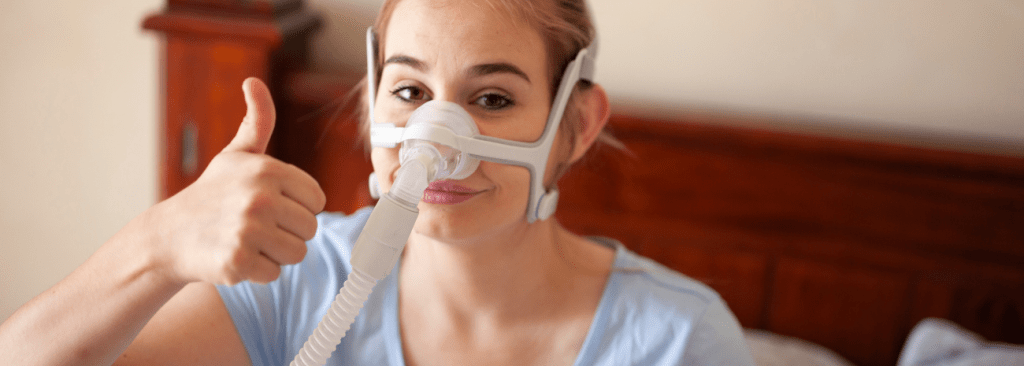

Woman sitting up in bed with a CPAP mask on giving a thumbs up and smiling

How Rotech Simplifies the Experience from Day One

Rotech isn’t a supplier that drops off a box and wishes you luck. We function as an extension of your care team, coordinating with your doctor, walking you through the process, and staying involved as you adjust to therapy.

Referrals and Coordination Without the Runaround

When your doctor refers you to Rotech, we take it from there. We handle coordination with your physician, communicate directly with you about next steps, and answer questions as they come up. No waiting for callbacks. No wondering what happens next.

We also provide patient and caregiver education materials designed to actually help, not generic pamphlets, but practical resources that address the specific concerns people have when starting sleep therapy.

Equipment Setup That Fits Your Life

CPAP and BiPAP aren’t one-size-fits-all. A machine that works perfectly for one patient might be completely wrong for another. Your face shape, sleep position, breathing patterns, and comfort preferences all matter.

Our setup process includes:

  • Machine selection based on your prescription and the features you need
  • Individualized mask fitting to minimize leaks and maximize comfort
  • Headgear adjustment so nothing pinches, pulls, or slides off overnight
  • Comfort accessory consultation for issues like dry mouth, nasal congestion, or skin irritation

This can happen virtually or in person at one of Rotech’s clinic locations — whatever works best for you.


Sleep Central: Your Hub for CPAP and BiPAP Success

Sleep Central is Rotech’s dedicated support hub for sleep therapy patients. Instead of hunting through random websites or hoping your insurance company can answer a technical question, you have one reliable resource for everything CPAP and BiPAP.

What’s available through Sleep Central:

  • Step-by-step equipment guides for setup and daily use
  • Information on different mask types and how to find the right fit
  • Cleaning and maintenance instructions to keep equipment working properly
  • Answers to the most common therapy questions

Whether you’re learning to use your machine for the first time or troubleshooting an issue six months in, Sleep Central gives you clear, practical information without the runaround.

And when you need a person, not a webpage: Sleep Central connects you with trained sleep therapy specialists by phone or online chat. Mask uncomfortable? Therapy not feeling right? Questions about your pressure settings? You can talk to someone who actually knows what they’re doing, and who will help you find a solution.
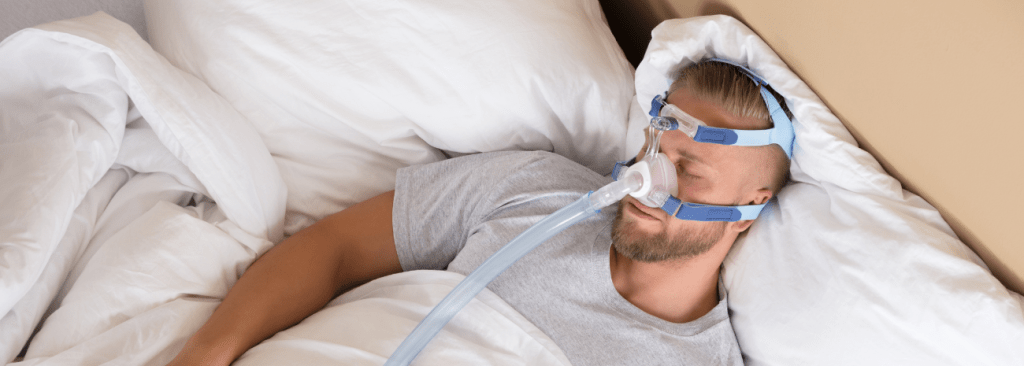

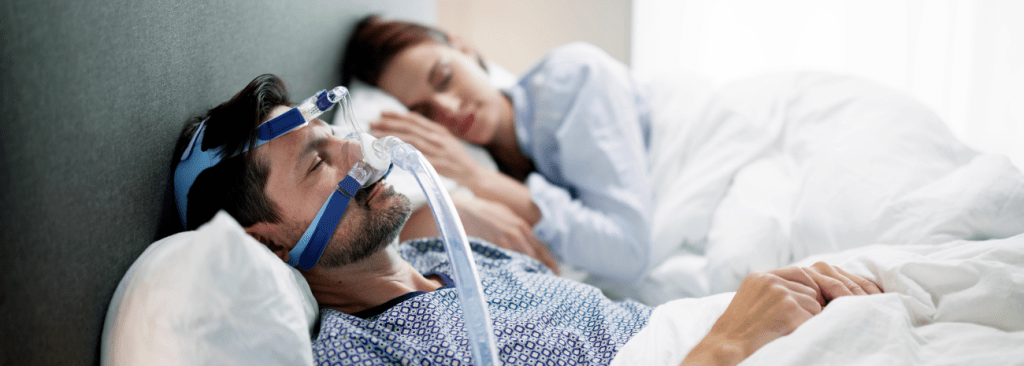
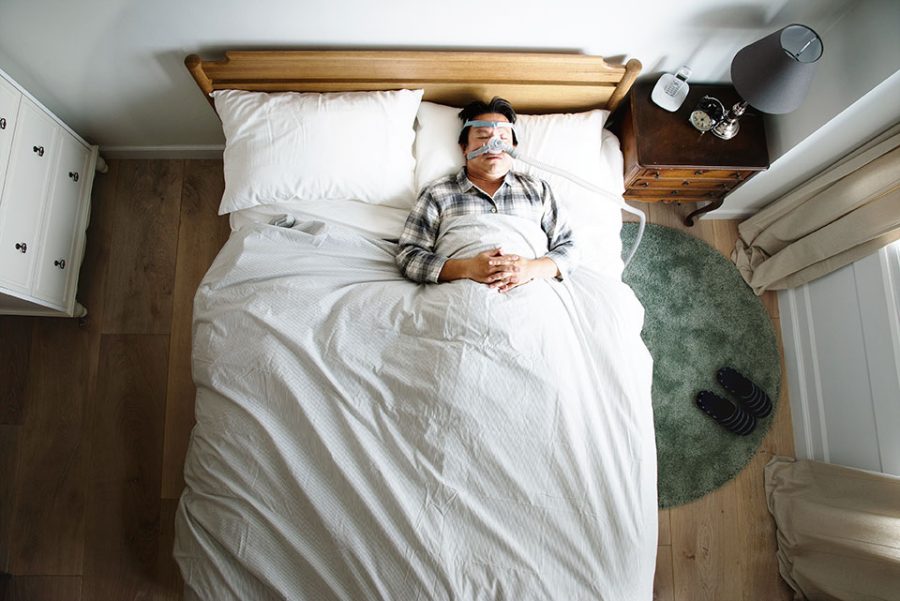
Man sleeping in bed with a CPAP mask on his face

SleepWELL™: Real Support During the Hardest Part

The first 90 days of CPAP or BiPAP therapy are make-or-break.

This is when you’re building new habits, adjusting to sleeping with a mask, and meeting the compliance requirements your insurance company sets. It’s also when most people quit, not because the therapy doesn’t work, but because they hit a wall and don’t have anyone to help them through it.

The SleepWELL™ program exists specifically to support you during this period.

What SleepWELL™ Provides

  • Regular check-ins from CPAP specialists — Proactive outreach, not just reactive support when you call with a problem
  • Therapy monitoring — Tracking your usage and effectiveness so issues get caught early
  • Early troubleshooting — Addressing comfort concerns, leaks, or equipment problems before they derail your progress
  • Compliance guidance — Helping you understand and meet insurance requirements within the 90-day window
  • Encouragement when you need it — Starting sleep therapy is hard. Having someone in your corner makes it easier.

Think of SleepWELL as your safety net during the adjustment period. Someone is paying attention. Someone is checking in. And someone will help you course-correct before small problems become reasons to give up.


Better Sleep Starts With Better Support

CPAP and BiPAP therapy can genuinely transform your health and bring you better sleep, more energy, reduced health risks, improved quality of life. But only if you stick with it long enough to see results.

Through Sleep Central and SleepWELL, Rotech provides the education, resources, and hands-on support that turn a medical device into a therapy that actually works for your life.

From your first questions about equipment to your 90-day compliance milestone and beyond, we’re here to help, not just as a supplier, but as a partner in your sleep health.

Ready to get started? Contact Rotech Healthcare or visit Sleep Central to learn more about CPAP and BiPAP support.
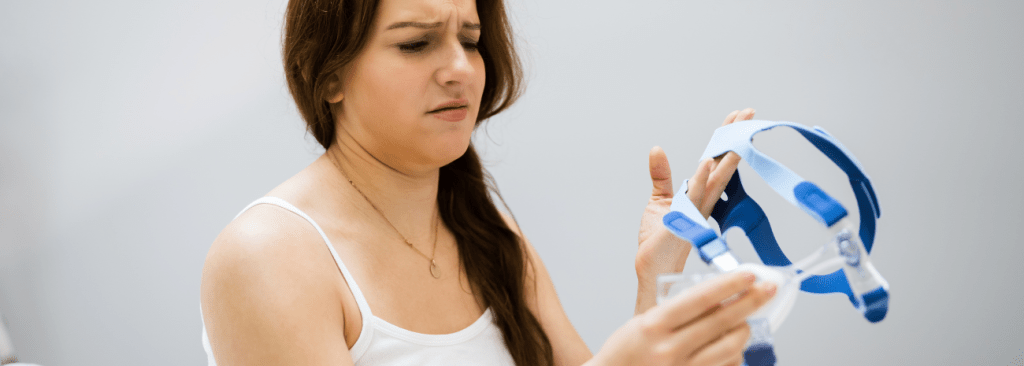

Woman holding up CPAP mask with confused look on her face

Frequently Asked Questions About CPAP and BiPAP Therapy

How long does it take to get used to CPAP or BiPAP?

Most people need 2-4 weeks to adjust to sleeping with a mask, though some adapt faster and others take longer. The key is consistent use, even on difficult nights, combined with proper mask fit and support. Patients who get help troubleshooting early issues tend to adapt more successfully than those trying to figure it out alone.

What if I can’t tolerate my CPAP mask?

Mask discomfort is one of the most common reasons people struggle with therapy, and it’s almost always fixable. The problem is usually fit, not the therapy itself. Rotech offers individualized mask fittings to find options that work for your face shape, sleep position, and breathing patterns. If one mask isn’t working, there are dozens of alternatives to try.

Does insurance cover CPAP and BiPAP equipment?

Most insurance plans, including Medicare, cover CPAP and BiPAP equipment for patients with a sleep apnea diagnosis. However, insurance often requires compliance documentation — proof that you’re using the machine regularly during the first 90 days. Rotech helps patients understand their coverage and navigate compliance requirements.

What happens if I don’t meet CPAP compliance requirements?

Insurance companies typically require patients to use CPAP for at least 4 hours per night for 70% of nights during the first 90 days to demonstrate medical necessity. If you don’t meet this threshold, your insurer may not cover the equipment long-term. The SleepWELL program helps patients track usage and troubleshoot problems early to stay on track with compliance.

Can I get help with CPAP if I have questions after setup?

Yes. Sleep Central provides ongoing support, not just at setup. You can access educational resources anytime, and trained sleep therapy specialists are available by phone or online chat to help with questions, troubleshooting, or concerns that come up weeks or months into therapy.

What’s the difference between CPAP and BiPAP?

CPAP (Continuous Positive Airway Pressure) delivers a single constant pressure throughout the night. BiPAP (Bilevel Positive Airway Pressure) delivers two pressure levels, higher when you inhale, lower when you exhale. BiPAP is often prescribed for patients who need higher pressures or have difficulty exhaling against constant pressure. Your doctor will prescribe the appropriate therapy based on your diagnosis and needs.

Why do so many people quit CPAP therapy?

Most people who quit do so within the first few months, usually because of mask discomfort, pressure adjustment issues, or feeling like they’re struggling without support. Early intervention and ongoing support significantly improve long-term adherence. That’s exactly why programs like SleepWELL exist: to help patients get through the adjustment period and experience the benefits of consistent therapy.

CPAP Adherence Rates Haven’t Improved Much. SleepWELL™ Addresses Why.

CPAP therapy remains the gold standard for treating obstructive sleep apnea (OSA). Prescribing it is straightforward. Getting patients to use it consistently, night after night, month after month, is an entirely different problem.

Most clinicians already know this. Non-adherence rates have remained stubbornly high for decades, even as devices have become quieter, smaller, and more comfortable. The 90-day compliance window required by payers creates urgency, but it doesn’t account for the behavioral realities of habit formation, the impact of early negative experiences, or the social determinants that shape whether someone actually uses their equipment.

The gap between “device delivered” and “therapy established” is where outcomes fall apart.

Rotech Healthcare’s SleepWELL™ Program was designed to close that gap — functioning as an extension of clinical care teams with structured monitoring, proactive outreach, and the kind of early-phase support that research consistently links to improved long-term adherence.


The Adherence Problem Isn’t About Devices Anymore

If better equipment solved the adherence problem, we’d have solved it by now. Modern CPAP machines are dramatically improved from a decade ago, with auto-adjusting pressures, integrated humidification, quieter motors, and sleeker profiles. Yet adherence rates have barely budged.

The issue is behavioral, not mechanical.

Clinicians are asking patients to adopt a new nightly routine involving unfamiliar equipment, physical discomfort, and a learning curve, all within a compressed timeline that determines insurance coverage. That’s a significant behavioral ask, and even minor friction points (mask discomfort, dry mouth, pressure intolerance) are enough to derail the process entirely.

Two factors compound the challenge:

The 90-day cliff. Payer compliance requirements create a high-stakes window where failure has lasting consequences. Patients who miss the threshold often lose coverage, which makes subsequent adherence even harder to achieve.

Clinical bandwidth limitations. Most care teams don’t have capacity for the kind of proactive, high-frequency outreach that early-phase PAP therapy requires. By the time a patient calls with a problem, if they call at all, the pattern of non-use may already be established.

Patients don’t just need equipment. They need a support structure that catches problems early, reinforces positive behavior, and keeps therapy on track during the critical adaptation period.


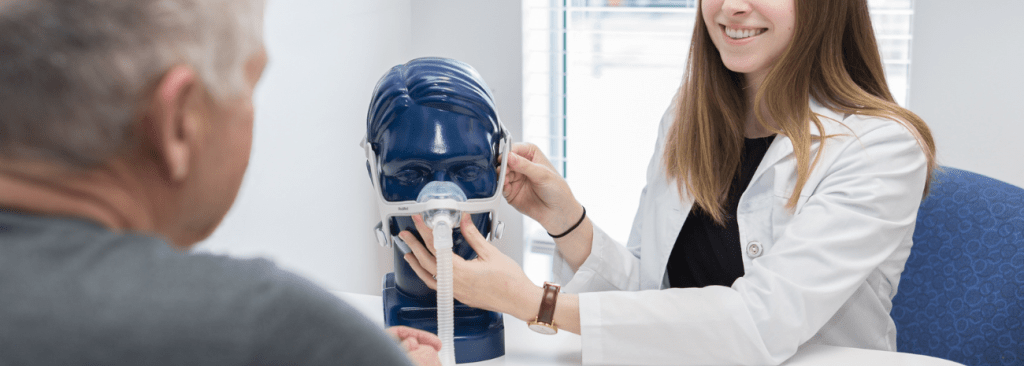
Healthcare professional in white coat instructing how to put CPAP mask on mannequin head to patient

How SleepWELL™ Serves as an Extension of Your Care Team

SleepWELL™ operates on a straightforward premise: patients do better when therapy is actively managed, especially during the first 90 days when drop-off risk peaks. 

The program addresses common failure points through a combination of monitoring, outreach, and clinical-grade support, an approach aligned with what adherence research consistently identifies as effective.

1. Monitoring That Enables Intervention

SleepWELL™ tracks usage data and generates compliance reports that include metrics like usage time, mask leak rates, and estimated AHI. This isn’t passive data collection, rather it’s designed to support a “manage by exception” model where concerning patterns trigger follow-up before they become therapy abandonment.

Remote monitoring frameworks are specifically cited in the literature as opportunities to improve real-world adherence, particularly when paired with behavioral support rather than surveillance alone.

2. Early-Phase Outreach When It Matters Most

One of the most consistent findings in adherence research: early experience shapes long-term behavior. Patients who struggle in the first few weeks are far more likely to abandon therapy entirely.

SleepWELL™ emphasizes proactive patient contact during the initial 90-day period, supported by real-time compliance measurement. This aligns with evidence showing that coaching and telemonitoring programs improve adherence, and that longer-duration support sustains improvements more effectively than brief interventions.

The goal is to catch small problems (mask fit issues, pressure discomfort, usage gaps) before they calcify into reasons to quit.

3. Clinical-Grade Support for a Complex Therapy

PAP adherence barriers are rarely one-dimensional. Patients often need both technical troubleshooting (equipment adjustments, interface changes) and motivational reinforcement (encouragement, problem-solving, realistic expectations) to persist through the adjustment period.

SleepWELL™ provides access to trained CPAP specialists and respiratory therapists, not just customer service representatives, who can address the clinical nuances of PAP therapy. That distinction matters when the conversation moves beyond “how do I turn this on” to “why does this feel wrong and should I keep trying.”

4. Resupply and Ongoing Follow-Up

PAP therapy isn’t a one-time setup. Mask cushions degrade, filters need replacement, fit changes over time, and life circumstances shift. Without ongoing attention, even initially adherent patients can drift into non-use.

SleepWELL™ includes structured resupply and continued follow-up designed to maintain compliance and support infection control, keeping therapy functional over the long term, not just through the initial compliance window.


What the Evidence Actually Supports

The adherence literature points consistently toward several principles:

  • Early intervention matters. Patients who receive intensive support in the first weeks of therapy show better long-term adherence than those who receive standard care.1
  • Monitoring alone isn’t enough. Data collection without response doesn’t move the needle. The value is in actionable monitoring — identifying problems and intervening promptly.
  • Behavioral support complements technical support. Adherence is a behavior change challenge, not just an equipment challenge. Programs that address motivation, troubleshooting, and reinforcement outperform those focused solely on device delivery.
  • Sustained support outperforms brief interventions. Short-term coaching programs produce short-term improvements. Durable adherence requires durable support structures.

SleepWELL™ was designed with these principles in mind, not as an equipment delivery service, but as a managed program that bridges the gap between prescription and sustained use.


Man sitting on bed stretching his arms with a CPAP mask on his face

A Practical Consideration for Referral Partners

For clinicians and care teams managing sleep apnea populations, the question isn’t whether adherence matters — it obviously does. The question is whether your current model addresses the behavioral and operational barriers that drive non-adherence.

If your patients are receiving equipment without structured follow-up, without proactive monitoring, without early-phase intervention, then the adherence gap is built into the process.

SleepWELL™ offers an alternative: a program designed to support patients through the highest-risk period, generate compliance data your team can act on, and function as a genuine extension of clinical care rather than a transactional equipment handoff.

To learn more about SleepWELL™ and how it supports PAP therapy outcomes, contact Rotech Healthcare.


Frequently Asked Questions: CPAP Adherence and SleepWELL™

What is considered CPAP adherence or compliance?

The most commonly used definition, particularly for insurance purposes, is the CMS standard: using CPAP for at least 4 hours per night on 70% of nights during the first 90 days of therapy. However, clinical benefit typically requires more consistent use; many guidelines recommend 6+ hours nightly for optimal outcomes. SleepWELL™ tracks usage data and supports patients in meeting both payer requirements and clinical goals.

Why do so many patients stop using CPAP?

Non-adherence is multifactorial. Common reasons include mask discomfort, pressure intolerance, nasal congestion or dryness, difficulty adjusting to the sensation of positive airway pressure, and lack of perceived benefit in the early weeks. The 90-day compliance window compounds these challenges by creating a high-stakes timeline that doesn’t align well with typical behavior change patterns.

Does remote monitoring improve CPAP adherence?

Evidence suggests that remote monitoring can improve adherence, but primarily when combined with active intervention rather than passive data collection. Programs that use monitoring data to trigger outreach and troubleshooting show better outcomes than those that simply track usage without response. SleepWELL™ is designed around this “monitor and respond” model.

What makes early-phase support so important for PAP therapy?

Research consistently shows that early experience with CPAP predicts long-term adherence.1 Patients who struggle in the first few weeks are significantly more likely to abandon therapy. Early-phase support, such as proactive check-ins, rapid troubleshooting, motivational reinforcement, addresses problems before they become entrenched patterns of non-use.

How does SleepWELL™ differ from standard equipment delivery?

Standard delivery models focus on getting devices to patients. SleepWELL™ is a managed program that includes proactive monitoring, compliance reporting, early-phase outreach, access to trained CPAP specialists and respiratory therapists, and ongoing resupply coordination. The program functions as an extension of clinical care teams rather than a transactional supplier relationship.

Can SleepWELL™ generate compliance reports for clinical teams?

Yes. SleepWELL™ provides compliance reports with metrics including usage time, mask leak data, and estimated AHI. These reports can support clinical decision-making and documentation requirements.

What types of patients benefit most from structured adherence support?

While all PAP patients benefit from support, structured programs like SleepWELL™ may be particularly valuable for patients with limited health literacy, those with complex comorbidities, patients without strong caregiver support, and those who express ambivalence or anxiety about starting therapy. These populations face higher drop-off risk and often benefit most from proactive intervention.

References

  1. Dielesen, J., Ledwaba-Chapman, L. J., Kasetti, P., Husain, N. F., Skinner, T. C., Pengo, M. F., Whiteman, T., Asimakopoulou, K., Merritt, S., Jones, D., Dickel, P., Pulakal, S., Ward, N. R., Pepperell, J., Steier, J., & Sathyapala, S. A. (2025). Six early CPAP-usage behavioural patterns determine peak CPAP adherence and permit tailored intervention, in patients with obstructive sleep apnoea. Thorax, 80(5), thorax-2024-221763. https://doi.org/10.1136/thorax-2024-221763

7 CPAP Myths That Could Be Getting in the Way of Better Sleep

Starting CPAP therapy can feel overwhelming, especially when you’ve never done it before. There’s equipment to learn, routines to establish, and maybe you’ve heard a few horror stories from friends or family members who started using a CPAP years ago.

Here’s the truth: most of what you’ve heard about CPAP therapy is outdated, exaggerated, or just plain wrong. At Rotech Healthcare, we’ve helped thousands of patients start their sleep therapy journey. We know the worries that hold people back, and how life-changing it can be once they take that first step.

If you’ve been hesitant about starting CPAP therapy, then these facts about modern CPAP equipment might surprise you. Let’s clear up the seven biggest myths that could be standing between you and better sleep.


Myth #1: CPAP Machines Are Loud, Bulky, and Uncomfortable

Fact: Modern CPAP machines are whisper-quiet, compact, and designed with your comfort in mind.

If you’re imagining the clunky, noisy machines your parents or grandparents used, it’s time for an update. Today’s CPAP devices have come a long way.

Modern CPAP machines are designed to fit easily on your nightstand. Most operate at sound levels quieter than a whisper, which is around 25-30 decibels. That’s softer than a library. No more feeling like you’re sleeping next to an air compressor.

But quiet operation is just the start. Today’s devices also feature:

  • Auto-adjusting pressure settings that respond to how you breathe throughout the night
  • Heated humidification to prevent dry mouth and nasal irritation
  • Ramp-up settings that start with gentle pressure and gradually increase as you fall asleep
  • Compact, travel-friendly designs that make it easy to take your therapy on the go

CPAP technology keeps improving because manufacturers understand that comfort matters. When therapy feels comfortable, patients stick with it and get the restful sleep they need.

Want to see what’s new? Explore the latest equipment options on Rotech’s Sleep Central website.


Woman lying in bed pulling a CPAP mask off of her head with a slight smile

Myth #2: There’s Only One Type of CPAP Mask

Fact: CPAP masks come in many styles designed to fit your unique needs and sleep habits.

When most people picture a CPAP mask, they imagine something straight out of a movie, with a bulky face covering that looks more like a pilot’s oxygen mask or Darth Vader’s helmet. While full-face masks exist, they’re far from your only option.

Rotech Healthcare offers three main mask styles:

Mask Type What It Covers Best For
Full Face Mask Mouth and nose Mouth breathers, higher pressure settings
Nasal Mask Nose only Side sleepers, those who feel claustrophobic with full coverage
Nasal Pillow Mask Fits directly into nostrils Minimal contact, active sleepers, those who wear glasses or watch TV before bed

Your doctor will help you choose the right mask type based on your pressure needs, sleep position, and personal comfort preferences. If you’ve ever felt claustrophobic with a larger mask, a nasal pillow might be the answer. If you tend to breathe through your mouth at night, a full-face option keeps therapy effective while you sleep.

Finding the right fit matters. Rotech’s staff is specifically trained in mask fitting to ensure you get the most comfortable, effective fit possible. A mask that fits well means better therapy, and better sleep.

Contact Rotech’s Team for a Mask Fitting


Myth #3: CPAP Therapy Just Stops the Snoring—It Doesn’t Actually Improve Sleep

Fact: CPAP therapy treats the root cause of sleep apnea and dramatically improves your overall sleep quality and health.

Yes, CPAP therapy stops snoring, but that’s really just a side effect of what it’s actually doing.

When you have sleep apnea, your airway partially or completely collapses while you sleep. Your body works overtime to keep breathing, even if you don’t consciously wake up. This means your sleep is constantly disrupted, leaving you exhausted even after a “full” night’s rest.

CPAP therapy keeps your airway open all night long. The gentle pressure prevents those collapses from happening in the first place.

Here’s what that means for you:

  • Deeper, more restorative sleep because your body isn’t constantly fighting to breathe
  • More energy during the day because you’re actually getting the recovery your body needs
  • Better focus and mental clarity because quality sleep supports brain function
  • Reduced health risks including lower blood pressure, reduced risk of heart disease, and better blood sugar control

CPAP therapy isn’t a cosmetic fix for snoring; it’s foundational to your overall health. Better sleep affects everything from your mood to your immune system to your long-term wellness.


Man with CPAP mask lying on bed next to woman sleeping

Myth #4: CPAP Is Only for People with Severe Sleep Apnea

Fact: Even mild to moderate sleep apnea benefits from CPAP therapy, and earlier treatment can prevent symptoms from worsening.

Maybe you’ve told yourself, “I only snore a little” or “My sleep apnea isn’t that bad.” But here’s the thing: any level of untreated sleep apnea disrupts your sleep cycle and can impact your health.

Mild sleep apnea still means your airway is collapsing multiple times per hour while you sleep. That’s multiple interruptions every single night, even if you don’t remember waking up.

If you suspect you have mild sleep apnea, now is the time to confirm your diagnosis and explore treatment options. Starting CPAP therapy sooner rather than later can help prevent your symptoms from progressing.

Rotech Healthcare meets you where you are. Whether you’re dealing with mild, moderate, or severe sleep apnea, we’ll make sure your equipment is set up with the right pressure and the right fit to make your therapy successful from day one.

Ready to take the next step? Check out Rotech’s Sleep Central to learn what to expect as a new CPAP patient.


Myth #5: CPAP Therapy Is Too Hard to Stick With Long-Term

Fact: With the right support, education, and follow-up, CPAP therapy becomes a natural part of your routine, and patients who stick with it see real results.

Starting anything new takes adjustment. The first few nights with CPAP might feel unfamiliar. But here’s what most patients discover: once they start experiencing the benefits of truly restful sleep, they don’t want to go back.

The key is having support along the way.

That’s exactly why Rotech developed the SleepWELL program. When you use one of our devices, we’re able to:

  • Monitor your usage to make sure you’re getting consistent, effective therapy
  • Track your progress and identify opportunities for improvement
  • Provide personalized coaching with reports, tips, and guidance
  • Offer ongoing support whenever you have questions or concerns

Our patient care coordinators keep in touch with you throughout your journey. You’re never left to figure things out on your own.

The hardest part of any journey is taking the first step. Once you experience what a full night of quality sleep feels like, you’ll wonder why you waited so long.


Myth #6: If CPAP Therapy Feels Uncomfortable, It’s Not Working

Fact: Most discomfort is completely fixable with simple adjustments, and it’s actually a signal to fine-tune your setup, not give up.

Here’s what many new CPAP users don’t realize: some initial discomfort is completely normal. You’re adjusting to something new, and it takes a little time to get everything dialed in.

Common issues new users experience include:

  • Mask leaks around the edges
  • Pressure that feels too strong (or too weak)
  • Headgear that pinches or feels too tight
  • Dry mouth or nasal congestion

Every single one of these problems has a solution. Masks can be refitted. Pressure levels can be adjusted. Humidity settings can be increased. Discomfort is a signal to make adjustments, not a sign that CPAP isn’t working for you.

This is exactly why Rotech’s SleepWELL program matters. Our patient care coordinators work with you continuously to optimize your therapy experience. We’re here to troubleshoot issues, make adjustments, and ensure you feel comfortable and confident throughout your entire CPAP journey.

You don’t have to white-knuckle through discomfort. Reach out, let us know what’s happening, and we’ll help you find a solution.


Healthcare professional in white coat showing patient how to put a CPAP mask on a mannequin head

Myth #7: All CPAP Providers Are Basically the Same

Fact: The right provider can make or break your CPAP experience, and there’s a real difference between an equipment supplier and a full-service partner.

It’s true that you can get a CPAP machine from almost anyone who sells them. But there’s a significant difference between a company that ships you equipment and one that walks alongside you throughout your sleep therapy journey.

Rotech Healthcare is a full-service provider. That means:

  • The latest equipment from the most trusted manufacturers in sleep therapy
  • Expert fitting and setup to ensure your therapy starts strong
  • Sleep Central resources with education, tools, and guidance for new and experienced CPAP users
  • The SleepWELL program with ongoing monitoring, personalized coaching, and responsive support
  • Long-term partnership because your sleep health journey doesn’t end after delivery

When challenges come up, and they sometimes do, you want a provider who answers the phone, knows your history, and cares about helping you succeed. At Rotech, we’re your long-term sleep therapy partner.


Take the First Step with Rotech Healthcare

Every night you delay CPAP therapy is another night of disrupted sleep, another day of unnecessary fatigue, foggy thinking, and strain on your body.

You deserve to wake up feeling rested. You deserve energy that lasts throughout the day. You deserve a provider who will tailor a program to your unique needs and support you every step of the way.

It’s time to start your CPAP journey with a partner who gets it.

Contact Rotech Healthcare to learn how we can help you find your path to better sleep.


Frequently Asked Questions About CPAP Therapy

How loud are modern CPAP machines?

Most modern CPAP machines operate at 25-30 decibels, so about as quiet as a whisper or a soft hum. Many users report their machine is quieter than their bedroom fan. Today’s devices are specifically designed for minimal noise disruption.

What type of CPAP mask is best for me?

The best mask depends on your breathing habits, sleep position, and comfort preferences. Full face masks work well for mouth breathers, nasal masks suit side sleepers, and nasal pillow masks offer minimal contact for those who feel claustrophobic. Your healthcare provider and Rotech’s fitting specialists can help you find your ideal match.

Does CPAP therapy only stop snoring?

No. While CPAP therapy does eliminate snoring, its primary purpose is treating sleep apnea by keeping your airway open throughout the night. This leads to deeper, more restorative sleep and offers significant health benefits including improved cardiovascular health, better mental clarity, and reduced daytime fatigue.

Can mild sleep apnea benefit from CPAP therapy?

Yes. Any level of sleep apnea, mild, moderate, or severe, disrupts your sleep quality and can impact your health over time. Starting treatment early may help prevent symptoms from worsening and provides immediate improvements to sleep quality.

How long does it take to adjust to CPAP therapy?

Most patients adjust to CPAP therapy within 1-3 weeks. Initial discomfort is common and usually resolved with simple adjustments to mask fit, pressure settings, or humidity levels. With programs like Rotech’s SleepWELL, you’ll have ongoing support to optimize your comfort throughout the adjustment period.

What if my CPAP mask is uncomfortable?

Discomfort usually signals a need for adjustment, not a fundamental problem with therapy. Masks can be refitted, pressure settings modified, and humidity levels increased. Contact your provider — Rotech’s patient care coordinators are trained to help troubleshoot and solve comfort issues quickly.

What makes Rotech different from other CPAP providers?

Rotech Healthcare is a full-service provider, not just an equipment supplier. We offer expert fitting, comprehensive patient education through Sleep Central, ongoing monitoring and coaching through the SleepWELL program, and long-term support throughout your therapy journey. We’re partners in your sleep health, not just a delivery service.

Does insurance cover CPAP therapy?

Most insurance plans, including Medicare, cover CPAP therapy for patients with a sleep apnea diagnosis. Coverage details vary by plan. Rotech Healthcare works with most major insurance providers and can help you understand your coverage options.

Don’t Lose Your Benefits: Order Your CPAP Supplies Before the Year Ends

As the year comes to a close, it’s not just the holidays sneaking up; it’s also the deadline to make the most of your insurance, FSA, or HSA benefits. If you’re using a CPAP (continuous positive airway pressure) machine to manage sleep apnea, now is the perfect moment to stock up on your supplies and take full advantage of your benefits before they reset.

If you wait too long, you could miss out on covered supplies that keep your therapy working safely and effectively, and that can mean less restful sleep and more out-of-pocket costs in the new year.

At Rotech Healthcare, we make it easy to stay on schedule, stay covered, and stay sleeping soundly.


Why Year-End Matters for CPAP Users

Every December, millions of Americans lose unspent healthcare dollars when insurance deductibles, flexible spending accounts (FSAs), and health savings accounts (HSAs) reset. If you rely on a CPAP machine, your supplies are likely covered by insurance, FSA, or HSA, but only for a limited time.

That means if you haven’t reordered your supplies this year, you might be leaving money (and better sleep) on the table.

Here’s what happens with each type of plan:

  • FSA (Flexible Spending Account): Use it or lose it. Most FSAs expire December 31, and unused funds are forfeited.
  • HSA (Health Savings Account): HSAs typically roll over, but reordering now helps reduce next year’s expenses and ensures you start 2026 with fresh supplies.
  • Insurance: Many plans reset deductibles annually, so reordering now may mean lower or no out-of-pocket costs compared to after January 1.

Make sure to check your current balance and coverage limits. It only takes a few minutes and can save you hundreds.


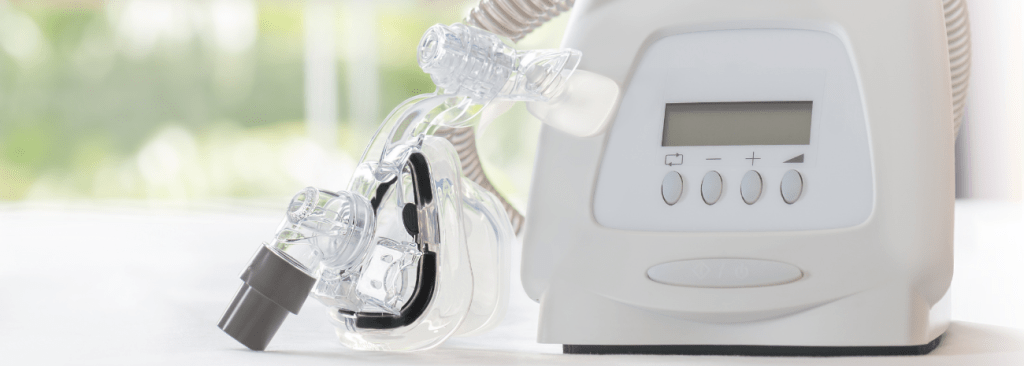
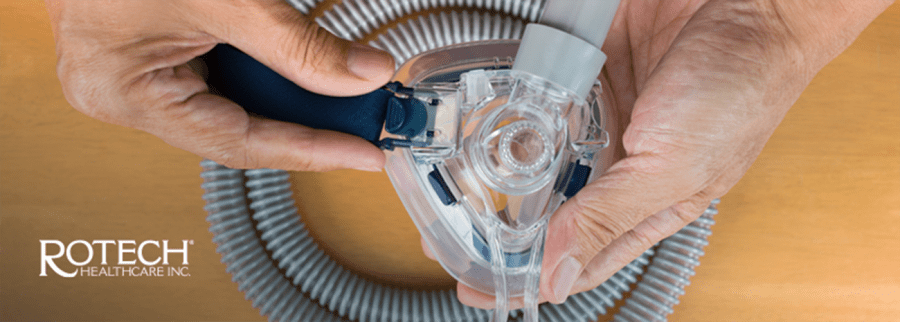
CPAP machine, mask and tubing

What CPAP Supplies Are Eligible for Replacement

Just like toothbrushes, filters, or car oil, your CPAP equipment needs regular replacement to keep it performing its best. Over time, parts wear down, lose elasticity, or accumulate bacteria that can affect both comfort and health.

Most insurance providers (including Medicare) follow a standard replacement schedule. Here’s a quick guide:

Supply ItemRecommended Replacement
Nasal Mask Cushion / Nasal Pillows2 per month
Disposable Filters2 per month
Full Face Mask Cushion1 per month
Mask (Full Face, Nasal, Nasal Pillow)1 per 3 months
Tubing1 per 3 months
Headgear1 per 6 months
Chinstrap1 per 6 months
Humidifier Water Chamber1 per 6 months
Non-disposable Filters1 per 6 months

Please Note: Quantity and frequency may vary with your insurance coverage.

If you’ve had your supplies for more than a few months, chances are you’re due for a refresh.

Not sure what you’re eligible for? Rotech’s specialists can check your insurance coverage and let you know exactly what you qualify for. Call one of our helpful Sleep Central Representatives at (800) 288-1853 or click the button below to reach us via online chat.


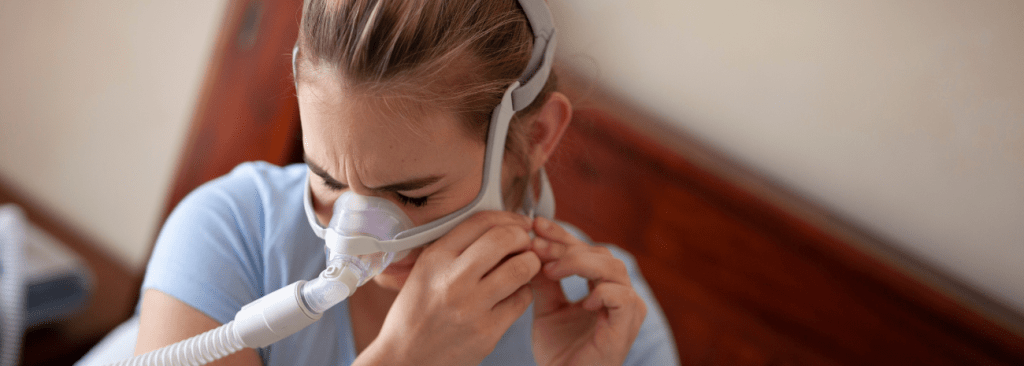
Woman taking off her CPAP nasal mask

Why Regular Replacement Matters

Using worn or old CPAP equipment isn’t just uncomfortable; it can also compromise your health and therapy effectiveness.

Here’s why regular resupply matters:

1. Hygiene and Health

Moisture from your breath and humidifier can lead to mold and bacteria buildup. Replacing filters, masks, and tubing on schedule helps prevent infections, congestion, and allergic reactions.

2. Therapy Effectiveness

Leaks in tubing or worn cushions can reduce the pressure your machine delivers, making your CPAP therapy less effective. That means your sleep quality, and your energy, can suffer.

3. Comfort and Compliance

When your mask fits properly and your equipment feels clean, you’re more likely to stay consistent with therapy. And consistency is the key to long-term results.

4. Insurance Compliance

Medicare and most insurance providers require documented CPAP use and replacement within approved timeframes to maintain coverage. Staying current keeps your coverage active and ensures reimbursement approval.


Use Your Benefits Before They Expire

Your health and your wallet both benefit when you plan ahead. By reordering your CPAP supplies before December 31, you can:

  • Maximize your insurance, FSA, or HSA coverage before it resets
  • Avoid paying new deductibles in January
  • Start the new year with fresh, clean supplies
  • Stay compliant and comfortable with uninterrupted therapy

Delaying until the last minute can mean longer wait times and potential delays in shipping, especially during the busy holiday season! Learn more about replacing your CPAP supplies on our website or reach out to us for additional help.


Man standing in his kitchen on the phone and smiling

How to Order Your CPAP Supplies with Rotech

Rotech makes it easy to get the supplies you need without the stress.

Here’s how:

  1. Check Your Eligibility
    1. Call your local Rotech location or contact our support team.
    1. We’ll help you confirm what your insurance or benefits cover.
  2. Choose Your Supplies
    1. Masks, filters, tubing, humidifiers, headgear — we’ve got it all.
    1. Not sure what you need? Our team will guide you based on your machine and therapy setup.
  3. Get Fast, Hassle-Free Delivery
    1. Enjoy free delivery as your supplies will be shipped directly to your home at no additional cost to you.
    1. Nationwide network with local support you can count on.
  4. Set Up Future Reminders
    1. Rotech can send friendly reminders when it’s time to reorder, so you never miss a replacement window. Plus, when you sign up for automatic supply replacement, you no longer have to wait for a phone call.

Reordering has never been easier, because when it comes to your health, we get it right the first time.


Common Questions About CPAP Supplies and Year-End Benefits

What CPAP supplies are covered by my FSA or HSA?

Most FSA and HSA plans cover all standard CPAP replacement supplies, including masks, tubing, filters, and humidifiers.

How do I know if my insurance covers new CPAP parts?

Our team can check your insurance coverage and tell you exactly what’s eligible and when.

What if my equipment still looks fine?

Even if it appears okay, microscopic bacteria and normal wear can reduce performance. Following the replacement schedule ensures proper therapy and cleanliness.

Does Medicare cover CPAP supplies?

Yes. Medicare typically covers replacement supplies at the same intervals listed above. You’ll just need a current prescription and compliance documentation.

How do I reorder through Rotech?

You can reorder online, through your local Rotech location, or by contacting your Rotech representative directly.


Man sitting in bed in the morning, pulling his CPAP mask off his face

Don’t Wait! Sleep Better and Save More Before the Year Ends

A good night’s sleep shouldn’t depend on the calendar, but your benefits do.

Ordering your CPAP supplies now means:

  • Better comfort and hygiene
  • Consistent therapy results
  • Maximized FSA/HSA/insurance savings

Don’t lose your hard-earned benefits. Let Rotech help you restock what you need and start the new year with confidence. The deadline is coming up fast, so get your order in before December 31!


References

  1. Medicare.gov. (n.d.). Continuous Positive Airway Pressure (CPAP) Therapy. www.medicare.gov. Retrieved October 8, 2025, from https://www.medicare.gov/coverage/continuous-positive-airway-pressure-devices

Travel CPAP: Unpacking the Benefits

Your Companion for Sweet Dreams on the Go

Do you love the thrill of exploring new places? Whether you’re a road warrior for work or an explorer for pleasure, we’re here to guide you through maintaining your health and ensuring you get quality rest no matter where you are. If you’re a frequent traveler with sleep apnea, you know caring for your sleep health is vital — and part of that is everyday use of your CPAP machine. You may have wondered whether a travel CPAP machine is the right companion for wherever your journeys take you. We’ll look at some essential factors for you to consider as you decide.

The Joys of Portability

First, the most obvious perk of a travel CPAP machine is its portability. These devices are designed to be as lightweight and compact as possible, making them a breeze to carry around. Machines like the Transcend Micro are smaller than many handheld game consoles or a paperback thriller! Imagine not worrying about fitting your CPAP into your carry-on or lugging an extra bag. With the small size of a travel CPAP, you can pack that extra pair of shoes or bring home souvenirs for loved ones without a second thought!

Convenience at Your Fingertips

Now, let’s talk convenience. Travel CPAP machines like the ResMed AirMini or the Breas Z2 are built for the traveler at heart. They’re not just smaller; they’re designed to fit into your life easily when you’re on the go. The ResMed AirMini weighs a mere 10.6 ounces – less than an iPad! This means fewer worries about how to pack your device and more time soaking in the joys of travel. Plus, setting up your travel CPAP in new environments is a cinch, which means one less hurdle in getting a good night’s sleep, wherever you may be.

With a travel CPAP, you don’t have to worry about finding distilled water wherever your travels may take you. Waterless humidification on some models can capture heat and moisture from your breath and the air to help keep your airway from drying out.

Not only is a travel CPAP easier to pack, but it also means your CPAP is always ready to go when you want to travel! You don’t have to take your primary unit apart and pack it, nor do you have to worry about accidentally leaving it – or parts of it — in a hotel room somewhere. It’ll be safe at home, awaiting your return.

Power Options Galore

One of the gems of travel CPAP machines is their versatile power options. Many models come with adapters for different power supplies worldwide; some will work with battery power and even offer battery packs or solar chargers for those off-the-grid adventures. This feature is a game-changer, ensuring you can keep your sleep apnea treatment consistent, even in flight or in remote corners of the globe.       

Ease of Use: A Breath of Fresh Air

Travel CPAP machines are designed with simplicity in mind. They aim to make your life easier, not more complicated. On many models, you can continue to use the CPAP mask you already sleep peacefully with each night. Some, like the Transcend Micro, have auto start and stop to initiate or stop therapy just by putting your mask on or taking it off — you don’t even have to fumble for a power button. With intuitive interfaces and straightforward settings, these devices ensure that managing your sleep apnea treatment remains hassle-free, giving you more time to enjoy your adventures.

Considering the Trade-Offs

No journey is without its bumps, and it’s the same with travel CPAP machines. Some models may be missing advanced features you’re used to with your home device, and it’s worth noting that not all insurance plans cover these portable wonders. The cost of a travel machine may only be worth it if you travel frequently and can use the machine regularly. However, the benefits of easily maintaining your treatment while traveling, even occasionally, can outweigh these considerations.

Quiet operation is vital for a machine that’s supposed to help you get restful sleep. Most travel machines have a noise level comparable to your home machine. For example, the ResMed AirMini measures approximately 2dBA louder than an AirSense 10. Sound perception can be subjective, so your travel device may sound slightly different from your home machine, even with whisper-quiet operation.

Remember, traveling with your regular CPAP is absolutely doable! In fact, to make that process as smooth as possible, we’ve crafted the ultimate guide on traveling with your CPAP. This guide is packed with tips and tricks to make traveling feel like a breeze.

The Importance of Consistent Treatment

Maintaining your sleep apnea treatment is vital, whether you’re at home or exploring the Amazon. Untreated sleep apnea can put a damper on your adventures, affecting your health and energy levels, and even a single night without a CPAP can increase your risk of severe complications. Daily use is essential, no matter where you’re sleeping! By ensuring you have a CPAP that suits your travel lifestyle, you’re taking a crucial step in caring for your well-being, enabling you to embrace every experience fully.

To Travel CPAP or Not?

After considering the advantages—portability, convenience, versatile power options, and ease of use—alongside the minor cons, the answer leans heavily towards a resounding yes if you’re a frequent traveler, a fan of traveling light, or simply looking to make your travel experiences smoother.

Your adventures should be about discovering new places, new experiences, and creating memories, not worrying about extra baggage or whether you’ll get a healthy night’s sleep. The best CPAP machine for you is the one you’ll use, no matter where you might be. A travel CPAP can be a faithful companion on your journeys, ensuring you wake up refreshed and ready to explore – and when you’re ready to be at home in your bed, your trusty conventional CPAP will be ready and waiting for you!

We understand the importance of your health and well-being on your travel adventures, from finding the top travel CPAP machines to ensuring you’re equipped with the mask and accessories that help you sleep as soundly as possible. That’s why we’re here every step of the way to make sure you have the resources and support you need!

Wake Up to Better, Healthy Sleep!

Sleep Awareness Month

March is Sleep Awareness Month, making it the perfect opportunity to dive into the world of healthy sleep and, specifically, the common yet often misunderstood condition called obstructive sleep apnea (OSA). We’ll explore the risk factors, sleep apnea’s unique impact on women, and the transformative power of sleep studies and proper sleep hygiene. We’ll empower you with knowledge and solutions for better, healthier sleep!

Unpacking the Risk Factors for Obstructive Sleep Apnea

Obstructive sleep apnea is more than just snoring; it’s a condition where your breathing repeatedly stops and starts during sleep. Sleep Apnea can lead to a host of problems, from daytime fatigue to serious health issues. But what puts you at risk for OSA? Here’s a closer look:

Weight: Being overweight is a key risk factor, as excess fat around the neck can obstruct the airway.

Anatomy: Factors like a narrow throat, neck circumference, enlarged tonsils, or a large tongue can increase the risk.

Age and Gender: OSA is more common in men, but the risk increases for women after menopause. Sleep apnea occurs more frequently in older adults.

Family History: Genetics plays a role, so having relatives with OSA might increase your risk.

Lifestyle Choices: Smoking and alcohol consumption can contribute to the development of sleep apnea.

Recognizing these risk factors is crucial for early identification and management of OSA.

Recognizing Sleep Apnea Symptoms

Awareness of sleep apnea symptoms is critical for early detection and treatment. Common signs include loud snoring, excessive daytime sleepiness, or choking or gasping for air during sleep. Other symptoms may include morning headaches, difficulty concentrating, mood changes such as irritability or depression, and a sore throat or dry mouth upon waking. Talk to your healthcare professional about these symptoms if you or someone you know is experiencing them.

Sleep Apnea in Women: A Closer Look

Sleep apnea isn’t just a man’s issue. In women, the condition is often underdiagnosed and can present differently. Symptoms like insomnia, morning headaches, fatigue, and mood changes are common in women with sleep apnea. Hormonal changes during menopause can also increase the risk, making it essential for women to be aware of and address potential sleep issues.

The Importance of Sleep Testing

“Do I need a sleep study?” If you’re asking this, the answer might be yes, especially if you’re experiencing sleep apnea symptoms! A sleep study is critical for diagnosing OSA and can help determine your treatment options, like using a CPAP machine. This test monitors your sleep stages, breathing, oxygen levels, and heart rate, providing a comprehensive view of what happens while you sleep.

Sleep testing, or polysomnography, is essential for diagnosing obstructive sleep apnea and other sleep disorders. There are two main types of sleep studies: in-office and home sleep testing.

In-office sleep testing involves an overnight stay at a sleep center, where technicians monitor your sleep throughout the night. This comprehensive testing measures various aspects of your sleep, including brain waves, oxygen levels, heart rate, breathing patterns, and movements. It provides a detailed picture of your body’s behavior during sleep, allowing for accurate diagnosis and tailored treatment plans.

Home sleep testing offers a more convenient option for many patients. With this method, you receive a portable device to take home, which you use while you sleep in your own bed. This device typically records your breathing, oxygen levels, and breathing effort. While less comprehensive than the in-office test, home sleep testing is effective for diagnosing obstructive sleep apnea in straightforward cases. It can be a more comfortable and cost-effective alternative for patients.

Both testing methods can play a role in diagnosing sleep apnea and determining the best treatment approach, such as using a CPAP machine or other interventions. Talk to your healthcare professional to determine what your best choice for a sleep study might be.

Enhancing Sleep Hygiene for Better Health

Good sleep hygiene is essential for everyone, especially if you’re at risk for sleep disorders. Here are some strategies to improve your sleep quality:

  • Stick to a consistent sleep schedule.
  • Ensure your sleeping environment is quiet, dark, and cool.
  • Limit caffeine and alcohol intake, especially when you’re close to bedtime.
  • Disconnect from electronic devices before sleep to help your mind relax.

By improving your sleep hygiene, you can enhance the quality of your sleep and reduce the risk of sleep-related issues.

Rotech and Sleep Central: Your Partners in Sleep Health

Navigating the world of sleep health can be complex, but you don’t have to do it alone. Rotech and Sleep Central are here to help, offering resources and support for your entire journey to better sleep!

As we observe Sleep Awareness Month, let’s commit to prioritizing our sleep health. Understanding the risk factors and symptoms of obstructive sleep apnea, recognizing its signs in both men and women, and taking proactive steps towards better sleep hygiene can improve your health and well-being. And with Rotech and Sleep Central by your side, you’re never alone on this journey to better rest. Here’s to healthier sleep and happier days ahead!

Embracing Daylight Saving Time

Spring Forward with Healthy Sleep!

As daylight saving time rolls in, it’s not just the clocks that spring forward—that hour of sleep leaps right out the window, too! This can be a bit of a hiccup for anyone, but it can be an extra challenge for older adults and those battling sleep apnea. Fear not: we’ve gathered some strategies to help you adjust without missing a beat.

Shine with the Sun

Let’s talk about the magic of sunlight. Morning light is like nature’s alarm clock—it tells your body it’s time to wake up and get moving. Soaking in those early rays helps reset your internal clock to harmonize with the new time. When evening rolls around, dial down the artificial lights and give screens a rest to let your body know it’s time to wind down. This is a gentle nudge for your circadian rhythms, helping you adjust smoothly.

A Cozy Nest for Optimal Rest

Creating a sleep haven can make all the difference in the quality of your sleep. Think cool, dark, and quiet. Sticking to your treatment routine with your CPAP or Bi-Level machine is vital for healthy sleep for those with sleep apnea, but it’s not the only step you can take. Whether it’s investing in blackout curtains, exploring the soothing hum of a white noise machine, or otherwise ensuring your bedroom is a tranquil retreat, setting the stage for a peaceful slumber really works!

Sleep Hygiene: Your Nightly Rituals

Consistency is your best friend when it comes to sleep hygiene. Try to keep your bedtime and wake-up times steady, even when the temptation to sleep in a bit longer on weekends calls. Cultivate a pre-sleep ritual that relaxes you—maybe a warm bath, a good book, or some gentle yoga stretches. These acts signal to your body that it’s time to wind down and drift off to a healthy, restorative night’s sleep.

Nap Smart

Napping isn’t off the table, but think of it as a power-up — not a catch-up. Short, early afternoon naps can refresh you without spoiling your nighttime sleep appetite. Aim for those quick, rejuvenating 20-minute snoozes to recharge your batteries.

A Lifestyle That Loves Sleep

Good sleep hygiene doesn’t stop at the bedroom door; it’s a lifestyle! Your daily habits play a starring role in how well you sleep. Regular exercise, a nutritious diet, and hydration all support healthy sleep. Steer clear of known sleep saboteurs like heavy meals, caffeine, and alcohol.

A Friendly Reminder

Adjusting to daylight saving time doesn’t have to be a chore. With a bit of planning and some positive adjustments, it can be an opportunity to refresh your sleep habits and embrace the longer days with zest. Here’s to brighter days and restful nights ahead!

Handwashing: The Simplest Step to Better Health

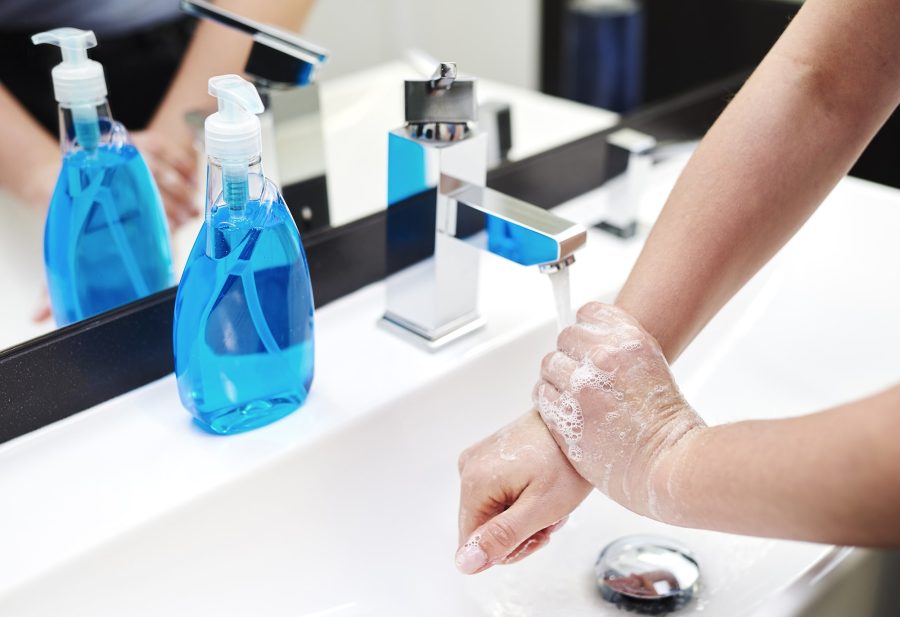
What’s both incredibly simple and astonishingly powerful? Handwashing! The first full week of December is National Handwashing Awareness Week.  We’re here to dive into why this everyday activity is a game changer, especially for those of us managing chronic wounds or conditions like COPD and diabetes.

Why Handwashing is a Big Deal

You might be thinking, “It’s just handwashing, why does it matter?” It does! Handwashing is like your personal health guardian. It’s your frontline defense against germs that can lead to infections and other health complications.

For those with conditions like COPD or diabetes, your skin can be more vulnerable and your body may have a tougher time healing. This means that preventing infections through something as simple as regular handwashing can be a crucial part of managing your condition. It’s not just about cleanliness; it’s about maintaining your health stability. Each time you wash your hands, think of it as a positive, proactive step towards staying healthy and avoiding unnecessary complications.

In a world where health can be complex and challenging, handwashing is a straightforward, effective tool that everyone can use. It empowers you to take control of your health in a very real, tangible way.

The Science of Suds

When you have chronic conditions like COPD or diabetes, your immune system might be working overtime. This makes you more susceptible to infections. Germs are sneaky little things. They hitch a ride on our hands from everything we touch – door handles, medical equipment, even our phones (yep, they’re germ hotspots!). Washing your hands properly sends these germs down the drain, literally.

Washing Your Hands Like a Pro

Here’s the step-by-step to effective handwashing:

  • Wet your hands with clean, running water. Warm or cold? According to the CDC, both are equally effective!
  • Lather up with soap. Don’t forget the backs of your hands, between your fingers, and under those nails. Soap and friction help lift the dirt, grease, and microbes from your skin so they can be rinsed away.
  • Scrub for at least 20 seconds. Studies show that washing hands for 15-30 seconds removes more germs than washing for a shorter amount of time.
  • Rinse well under clean, running water.
  • Dry your hands using a clean towel or air dry them.

Hand Sanitizer: The On-the-Go Option

Can’t get to a sink? Hand sanitizer is your next best friend, as long as your hands aren’t visibly dirty or greasy. Just make sure it contains at least 60% alcohol. Rub it all over your hands until they’re dry, and voilà!

Integrating Handwashing into Your Routine

For home medical patients, integrating handwashing into your daily routine is vital. Before and after using any medical equipment, make it a habit. Washing hands before checking your blood sugar, putting on your CPAP mask, or handling your oxygen concentrator can prevent infections and keep your equipment in top shape.

In the grand scheme of things, handwashing is a small act, but it holds immense power in protecting your health. This National Handwashing Awareness Week, commit to keeping those hands clean. This simple step makes a world of difference in managing your health with confidence and ease!

Is it time for a CPAP Replacement?

Curious about CPAP Replacement? How do you know when it’s time to upgrade or replace your CPAP machine? If you’re reading this, there’s a good chance you’ve been using the same reliable CPAP machine for a few years. First, kudos to you for being committed to your sleep apnea therapy and taking charge of your health!

In this blog post, we’ll dive into why CPAP manufacturers recommend replacing your machine after around 60 months or five years. So sit back, relax, and let’s unravel this mystery together.

Reason 1: Improved Technology and Features

Like smartphones and televisions, CPAP machine technology has come a long way. Think of it as going from a flip phone to the latest iPhone. While your current CPAP machine might be doing its job, newer models incorporate advanced features that can enhance your overall therapy experience. From quieter operation to better humidification control, these updated machines bring a new level of comfort and convenience to your sleep apnea therapy.

Reason 2: Enhanced Therapy Effectiveness

As time passes, CPAP manufacturers continue to innovate and improve the performance of their machines. With each new iteration, they find ways to optimize therapy effectiveness, making it even more beneficial for users like you. By upgrading to a newer CPAP machine, you might experience better pressure delivery and smarter data tracking capabilities, contributing to more efficient and effective sleep apnea treatment.

Reason 3: Insurance Coverage and Reimbursement

Here’s the icing on the CPAP cake: most insurance companies recognize the importance of keeping up with technology. As a result, they offer coverage for CPAP machine replacement around the 5-year mark. That’s right – you might be eligible for a shiny new machine without breaking the bank. Why not use this opportunity to enhance your therapy? It’s a win-win situation!

Maintenance Tips:

Before you call us to upgrade your CPAP machine, let’s address an important point: Regular maintenance is critical to prolonging the lifespan of your CPAP equipment. So, you need to make sure to clean your mask, tubing, and humidifier chamber regularly to keep everything in tip-top shape. Also, remember to replace your filters and other accessories for optimal performance! By taking good care of your CPAP gear, you can maximize its longevity and make the most of your investment.

So, if you’ve been pondering whether it’s time to replace your trusty old CPAP machine, we hope we’ve shed some light on the benefits of upgrading. From improved technology and therapy effectiveness to potential insurance coverage, there are plenty of reasons to consider a fresh start with a new machine. Remember, your sleep apnea therapy should be a breeze, and upgrading your CPAP machine might bring that extra level of comfort and ease you’ve longed for. Sweet dreams and happy upgrading!


Interested in a CPAP upgrade? Want to learn more about our 60-month replacement program or find out if you’re eligible to replace your machine? Contact your Rotech location today!

Is it Time for a CPAP Machine Upgrade?

Sometimes, our trusty CPAP machines show subtle signs that they’re ready to retire. While they can’t say, “Hey, buddy! Time for an upgrade,” they can hint that it’s time to enhance your sleep apnea therapy setup. In this post, we’ll explore a few clues that your CPAP or BiLevel machine might be nudging you toward an upgrade. Listen to these subtle hints and consider giving yourself the gift of enhanced comfort, updated technology, and more effective therapy!

When to Say Goodbye:

It’s essential to keep track of the age of your CPAP machine to ensure that you’re receiving the best possible therapy. As a general guideline, consider replacing your CPAP machine around the 60-month or 5-year mark. This timeframe takes into consideration the normal wear and tear that occurs over time, as well as advancements in technology that can improve your sleep apnea therapy experience. It’s also when most insurance companies will cover a replacement! Staying aware of the age of your machine and considering a replacement when necessary helps you to continue to reap the benefits of effective treatment.

Noisy Nights:

One of the telltale signs that it might be time for a CPAP machine upgrade is if your once-quiet machine has suddenly started disrupting your night with noise. Imagine hoping for a peaceful sleep, only to find your bedroom transformed into a soundstage for a high-budget blockbuster. Not only can the noise be annoying, but it could also be a sign that the internal components of your machine are wearing out. Remember, your CPAP machine should be helping you drift off to dreamland, not preventing it.

Humidifier Hibernation:

Using a CPAP machine with a humidifier brings the added perk of enjoying soothing, moist air while you slumber. Are you refilling the humidifier tank less often than you used to? It might indicate that your machine’s humidification system isn’t functioning as efficiently as before. Just like a plant, our bodies need hydration! If your CPAP machine isn’t delivering the moisture it once did, consider an upgrade with better humidification capabilities.

The Regression Conundrum:

Picture this: you’ve been faithfully using your CPAP therapy for months or years and feeling great. But suddenly, you feel more fatigued, experiencing increased daytime sleepiness or snoring like a chainsaw again. If you feel like you’re slipping back into old sleep apnea habits, it’s a clear sign that it might be time to consider a machine upgrade. Your health and well-being should never take a step backward!

When it comes to your sleep therapy, you deserve the best of the best. Any of these signs might be your CPAP machine’s way of urging you towards an upgrade that can positively change your sleep quality and overall well-being. By heeding these subtle hints and considering a new machine, you can enhance your comfort, improve therapy effectiveness, and possibly receive insurance coverage for the upgrade. Want to learn more or check your eligibility? Contact your nearest Rotech location!

For billing questions or insurance updates, click the NEW chat icon in the lower right — we’re here to help!