

Rotech Healthcare

Author: Rotech Healthcare

Wound Care Without the Wait – How Rotech Delivers Faster Healing & Safer Transitions

The Referral Challenge: Why Wound Care Can’t Wait

Hospital discharge marks a pivotal point in a patient’s recovery, especially for those dealing with complex wounds. Delays in treatment can lead to complications, readmissions, and increased healthcare costs, not to mention physical and emotional distress for patients and caregivers.

Yet coordinating wound care across providers, payers, and family members is often time-consuming and fragmented. Discharge planners and Wound Ostomy Continence Nurses (WOCNs) need a reliable partner to simplify that transition.

That’s where Rotech WoundCare Complete™ comes in.

At a Glance: What Makes Rotech WoundCare Complete™ Different

Rotech WoundCare Complete™ is a full‑spectrum wound care solution built for post‑acute transitions. From state‑of‑the‑art Negative Pressure Wound Therapy (NPWT) to comprehensive dressing inventories and fast delivery, our streamlined wound care program bridges the gap between hospital and home, helping patients heal faster while simplifying the referral process for you.

FeatureBenefit
Negative Pressure Wound Therapy (NPWT)Speeds healing, reduces complications, and promotes comfort.
Extensive Dressing and Supply InventoryAccess to leading brands and advanced wound care supplies.
Fast, Easy Referral ProcessDedicated coordination team to reduce your workload.
Insurance and Medicare CoordinationWe handle the paperwork to simplify patient access.
Patient and Caregiver SupportEducation, setup, troubleshooting, so your patient isn’t left guessing.
  Nationwide Reach, Local Feel  Over 300 locations delivering local service with national scale.  

By choosing Rotech as your wound care partner, you’re choosing a provider that sees the patient’s home as the next vital step in care, not an afterthought.

Why Post-Acute Wound Care Is a Priority

Chronic wounds impact an estimated 6.5 million patients in the U.S., many of whom are older adults or individuals with multiple comorbidities.1 Delays in treatment can lead to:

  • Increased risk of infection
  • Extended hospital stays or readmissions
  • Higher overall healthcare costs

In fact, in one cohort, wound complications accounted for 26.5% of 30-day readmissions.7 The Centers for Medicare & Medicaid Services (CMS) also estimates that wound-related costs range from $28.1 to $96.8 billion annually,2 making timely, effective post-discharge wound care a national priority.

Did You Know?

NPWT has been shown to reduce time to wound closure by up to 4 weeks compared to conventional dressings, with fewer complications and lower long-term costs.10

Let Rotech help you deliver that kind of outcome.

What Is Negative Pressure Wound Therapy (NPWT)?

NPWT is a clinically proven therapy that uses controlled suction to promote faster wound healing by:

  • Drawing out excess fluid and exudate
  • Improving blood flow to the wound bed
  • Promoting granulation tissue formation
  • Reducing frequency of dressing changes

Wound Types That Benefit Most:

  • Chronic non-healing wounds (e.g., diabetic foot ulcers, venous ulcers)
  • Burns and graft donor sites
  • Wounds with high drainage or infection risk
  • Post-surgical or trauma wounds

Backed by Evidence:

  • NPWT accelerates healing time by up to 50% compared to standard care in certain wounds.3
  • NPWT reduced outpatient treatment time by ~16 days in patients with complex diabetic wounds.8
  • A systematic review found that NPWT led to 56% closure rates vs. 39% with standard dressings (p = 0.04).3
  • It has also been shown to reduce surgical site infection rates and hospital readmissions in patients with comorbidities.5
  • Clinical trials show NPWT improves comfort, quality of life, and long-term outcomes.6
  • After 43 days of NPWT, 90% of ulcers healed vs. 48% with standard therapy.4

Seamless Discharge-to-Home Coordination

Our referral process is simple, fast, and fully supported by our intake specialists and wound care experts. Rotech collaborates with discharge planners, WOCNs, and physicians to ensure:

  • Same-day referral processing
  • Rapid equipment and supply delivery
  • One-call setup for NPWT and dressing needs
  • Insurance authorization support and follow-through

What This Means for You

  • Less time chasing vendors
  • More confidence in continuity of care
  • Happier patients and fewer follow-up calls

Equipment, Supplies, and Support — All in One Place

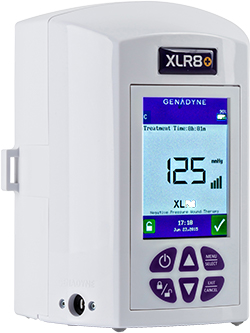
Rotech carries a full line of NPWT devices, including Genadyne XLR8+ and Smith+Nephew RENASYS GO, as well as a comprehensive inventory of advanced dressings:

  • Hydrogels, alginates, foam, and hydrocolloids
  • Gelling fibers and super-absorbent dressings
  • Adhesive-free solutions like HidraWear™ for Hidradenitis Suppurativa
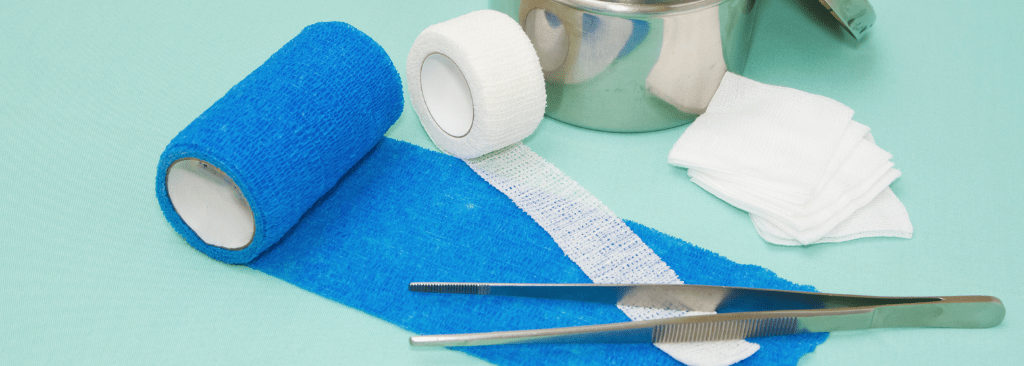
  • Traditional supplies: gauze, tape, wraps, cleansing agents

We ensure fast, reliable delivery to the patient’s home, often within 24–48 hours of referral.

Medicare, Medicaid, and Insurance Coordination

We know that coverage questions can delay healing. Rotech verifies benefits and handles the paperwork for:

  • Medicare Part B wound care coverage (with physician prescription)
  • Medicare Advantage Plans
  • Private insurance and Medicaid
  • Supplies billed directly to payers

This reduces patient out-of-pocket costs and eliminates stress for your staff.

Quick Facts: Why Rotech for Wound Care?

  • Same-Day Intake Processing & Delivery
  • Live Patient Education & Support
  • Full Clinical & Technical Support
  • NPWT Pump Resupply & Pickup Coordination
  • Provider & Patient Educational Resources Available

Empowering Patients and Caregivers

Healing at home can be overwhelming, especially for patients with complex dressings or unfamiliar equipment.

That’s why Rotech offers:

  • Easy-to-follow setup guides and video instructions
  • Live support from our wound care specialists
  • Caregiver coaching to support at-home dressing changes
  • Simple resupply and pickup options online or by phone

We’re not just delivering supplies — we’re delivering peace of mind.

HidraWear for HS Patients

Rotech is a proud supplier of HidraWear™, the award-winning dressing system designed for people with Hidradenitis Suppurativa (HS):

  • Adhesive-free and frictionless for sensitive areas
  • Easy to wear, change, and remove
  • Increases independence and comfort

Why It Matters: Outcomes, Efficiency, and Trust

Wound care delays don’t just affect healing; they affect readmission rates, satisfaction scores, and costs:

  • Faster NPWT implementation leads to fewer infections and shorter healing time9
  • Value-based care models penalize readmissions — making seamless transitions essential

Rotech’s program helps referral sources close those gaps, reduce phone tag, and improve both patient and organizational outcomes.

Let’s Simplify Your Wound Care Referrals

Your patients deserve to heal at home with comfort and confidence. You deserve a partner who makes wound care less complicated.

With Rotech WoundCare Complete™, you get just that.

One Call. One Partner. One Complete Program.

  • Call your local Rotech office
  • Submit a referral online
  • Let us handle the coordination

Wound Care FAQ

Q: What type of wounds qualify for NPWT at home?

A: Chronic non-healing ulcers, burns, post-op wounds, donor sites, and wounds with excess drainage or infection risk.

Q: How quickly can Rotech deliver wound‑care equipment after discharge?

A: Rotech specializes in fast intake and delivery. Referral today can trigger same‑day or next‑day delivery depending on patient location and supplies needed.

Q: Are advanced wound‑care supplies covered by Medicare or insurance?

A: Yes, when medically necessary and prescribed. Rotech handles verification and billing.

Q: Can Rotech support both NPWT and advanced dressings for the same patient?

A: Absolutely. Rotech WoundCare Complete™ bundles everything into a streamlined, single-referral process.

References

1 Sen, C. K., Gordillo, G. M., Roy, S., Kirsner, R., Lambert, L., Hunt, T. K., Gottrup, F., Gurtner, G. C., & Longaker, M. T. (2009). Human skin wounds: a major and snowballing threat to public health and the economy. Wound Repair and Regeneration: Official Publication of the Wound Healing Society and the European Tissue Repair Society, 17(6), 763–771. https://doi.org/10.1111/j.1524-475X.2009.00543.x

2 Sen, C. K. (2019). Human Wounds and Its Burden: An Updated Compendium of Estimates. Advances in Wound Care, 8(2), 39–48. https://doi.org/10.1089/wound.2019.0946

3 Armstrong, D. G., & Lavery, L. A. (2005). Negative pressure wound therapy after partial diabetic foot amputation: a multicentre, randomised controlled trial. The Lancet, 366(9498), 1704–1710. https://doi.org/10.1016/s0140-6736(05)67695-7

4 Normandin, S., Safran, T., Winocour, S., Chu, C. K., Vorstenbosch, J., Murphy, A. M., & Davison, P. G. (2021). Negative Pressure Wound Therapy: Mechanism of Action and Clinical Applications. Seminars in Plastic Surgery, 35(03), 164–170. https://doi.org/10.1055/s-0041-1731792

5 Bastawisy, K. A., Hassan, B. D., Loon, M. M., Rodrigo, S., & Ali, M. (2025). Negative Pressure Wound Therapy in the Prevention of Surgical Site Infections Following Abdominal Surgery: A Systematic Review. Cureus, 17(4). https://doi.org/10.7759/cureus.82237

6 Othman, D. (2012). Negative Pressure Wound Therapy Literature Review of Efficacy, Cost Effectiveness, and Impact on Patients’ Quality of Life in Chronic Wound Management and Its Implementation in the United Kingdom. Plastic Surgery International, 2012, 1–6. https://doi.org/10.1155/2012/374398

7 Goel, A. N., Raghavan, G., St John, M. A., & Long, J. L. (2019). Risk Factors, Causes, and Costs of Hospital Readmission After Head and Neck Cancer Surgery Reconstruction. JAMA Facial Plastic Surgery, 21(2), 137–145. https://doi.org/10.1001/jamafacial.2018.1197

8 Seidel, D., Lefering, R., Storck, M., Lawall, H., Wozniak, G., Mauckner, P., Hochlenert, D., Wetzel-Roth, W., Sondern, K., Hahn, M., Rothenaicher, G., Krönert, T., & Zink, K. (2022). NPWT resource use compared with standard moist wound care in diabetic foot wounds: DiaFu randomized clinical trial results. Journal of Foot and Ankle Research, 15(1). https://doi.org/10.1186/s13047-022-00569-w

9 Erzsébet Szabóné Révész, Áron Altorjay, Valéria Montskó, & László Hangody. (2022). Effectiveness of negative pressure wound therapy: Minimum five-year follow-up and review of the literature. Joint Diseases and Related Surgery, 33(1), 51–56. https://doi.org/10.52312/jdrs.2022.547

10 Blume, P. A., Walters, J., Payne, W., Ayala, J., & Lantis, J. (2008). Comparison of Negative Pressure Wound Therapy Using Vacuum-Assisted Closure With Advanced Moist Wound Therapy in the Treatment of Diabetic Foot Ulcers: A multicenter randomized controlled trial. Diabetes Care, 31(4), 631–636. https://doi.org/10.2337/dc07-2196

Don’t Lose Your Benefits: Order Your CPAP Supplies Before the Year Ends

As the year comes to a close, it’s not just the holidays sneaking up; it’s also the deadline to make the most of your insurance, FSA, or HSA benefits. If you’re using a CPAP (continuous positive airway pressure) machine to manage sleep apnea, now is the perfect moment to stock up on your supplies and take full advantage of your benefits before they reset.

If you wait too long, you could miss out on covered supplies that keep your therapy working safely and effectively, and that can mean less restful sleep and more out-of-pocket costs in the new year.

At Rotech Healthcare, we make it easy to stay on schedule, stay covered, and stay sleeping soundly.

Why Year-End Matters for CPAP Users

Every December, millions of Americans lose unspent healthcare dollars when insurance deductibles, flexible spending accounts (FSAs), and health savings accounts (HSAs) reset. If you rely on a CPAP machine, your supplies are likely covered by insurance, FSA, or HSA, but only for a limited time.

That means if you haven’t reordered your supplies this year, you might be leaving money (and better sleep) on the table.

Here’s what happens with each type of plan:

  • FSA (Flexible Spending Account): Use it or lose it. Most FSAs expire December 31, and unused funds are forfeited.
  • HSA (Health Savings Account): HSAs typically roll over, but reordering now helps reduce next year’s expenses and ensures you start 2026 with fresh supplies.
  • Insurance: Many plans reset deductibles annually, so reordering now may mean lower or no out-of-pocket costs compared to after January 1.

Make sure to check your current balance and coverage limits. It only takes a few minutes and can save you hundreds.

What CPAP Supplies Are Eligible for Replacement

Just like toothbrushes, filters, or car oil, your CPAP equipment needs regular replacement to keep it performing its best. Over time, parts wear down, lose elasticity, or accumulate bacteria that can affect both comfort and health.

Most insurance providers (including Medicare) follow a standard replacement schedule. Here’s a quick guide:

Supply ItemRecommended Replacement
Nasal Mask Cushion / Nasal Pillows2 per month
Disposable Filters2 per month
Full Face Mask Cushion1 per month
Mask (Full Face, Nasal, Nasal Pillow)1 per 3 months
Tubing1 per 3 months
Headgear1 per 6 months
Chinstrap1 per 6 months
Humidifier Water Chamber1 per 6 months
Non-disposable Filters1 per 6 months

Please Note: Quantity and frequency may vary with your insurance coverage.

If you’ve had your supplies for more than a few months, chances are you’re due for a refresh.

Not sure what you’re eligible for? Rotech’s specialists can check your insurance coverage and let you know exactly what you qualify for. Call one of our helpful Sleep Central Representatives at (800) 288-1853 or click the button below to reach us via online chat.

Why Regular Replacement Matters

Using worn or old CPAP equipment isn’t just uncomfortable; it can also compromise your health and therapy effectiveness.

Here’s why regular resupply matters:

1. Hygiene and Health

Moisture from your breath and humidifier can lead to mold and bacteria buildup. Replacing filters, masks, and tubing on schedule helps prevent infections, congestion, and allergic reactions.

2. Therapy Effectiveness

Leaks in tubing or worn cushions can reduce the pressure your machine delivers, making your CPAP therapy less effective. That means your sleep quality, and your energy, can suffer.

3. Comfort and Compliance

When your mask fits properly and your equipment feels clean, you’re more likely to stay consistent with therapy. And consistency is the key to long-term results.

4. Insurance Compliance

Medicare and most insurance providers require documented CPAP use and replacement within approved timeframes to maintain coverage. Staying current keeps your coverage active and ensures reimbursement approval.

Use Your Benefits Before They Expire

Your health and your wallet both benefit when you plan ahead. By reordering your CPAP supplies before December 31, you can:

  • Maximize your insurance, FSA, or HSA coverage before it resets
  • Avoid paying new deductibles in January
  • Start the new year with fresh, clean supplies
  • Stay compliant and comfortable with uninterrupted therapy

Delaying until the last minute can mean longer wait times and potential delays in shipping, especially during the busy holiday season! Learn more about replacing your CPAP supplies on our website or reach out to us for additional help.

How to Order Your CPAP Supplies with Rotech

Rotech makes it easy to get the supplies you need without the stress.

Here’s how:

  1. Check Your Eligibility
    1. Call your local Rotech location or contact our support team.
    1. We’ll help you confirm what your insurance or benefits cover.
  2. Choose Your Supplies
    1. Masks, filters, tubing, humidifiers, headgear — we’ve got it all.
    1. Not sure what you need? Our team will guide you based on your machine and therapy setup.
  3. Get Fast, Hassle-Free Delivery
    1. Enjoy free delivery as your supplies will be shipped directly to your home at no additional cost to you.
    1. Nationwide network with local support you can count on.
  4. Set Up Future Reminders
    1. Rotech can send friendly reminders when it’s time to reorder, so you never miss a replacement window. Plus, when you sign up for automatic supply replacement, you no longer have to wait for a phone call.

Reordering has never been easier, because when it comes to your health, we get it right the first time.

Common Questions About CPAP Supplies and Year-End Benefits

What CPAP supplies are covered by my FSA or HSA?

Most FSA and HSA plans cover all standard CPAP replacement supplies, including masks, tubing, filters, and humidifiers.

How do I know if my insurance covers new CPAP parts?

Our team can check your insurance coverage and tell you exactly what’s eligible and when.

What if my equipment still looks fine?

Even if it appears okay, microscopic bacteria and normal wear can reduce performance. Following the replacement schedule ensures proper therapy and cleanliness.

Does Medicare cover CPAP supplies?

Yes. Medicare typically covers replacement supplies at the same intervals listed above. You’ll just need a current prescription and compliance documentation.

How do I reorder through Rotech?

You can reorder online, through your local Rotech location, or by contacting your Rotech representative directly.

Don’t Wait! Sleep Better and Save More Before the Year Ends

A good night’s sleep shouldn’t depend on the calendar, but your benefits do.

Ordering your CPAP supplies now means:

  • Better comfort and hygiene
  • Consistent therapy results
  • Maximized FSA/HSA/insurance savings

Don’t lose your hard-earned benefits. Let Rotech help you restock what you need and start the new year with confidence. The deadline is coming up fast, so get your order in before December 31!

References

Medicare.gov. (n.d.). Continuous Positive Airway Pressure (CPAP) Therapy. www.medicare.gov. Retrieved October 8, 2025, from https://www.medicare.gov/coverage/continuous-positive-airway-pressure-devices

Rotech Healthcare Partners with Signifier Medical Technologies to Provide Revolutionary Obstructive Sleep Apnea Therapy Device

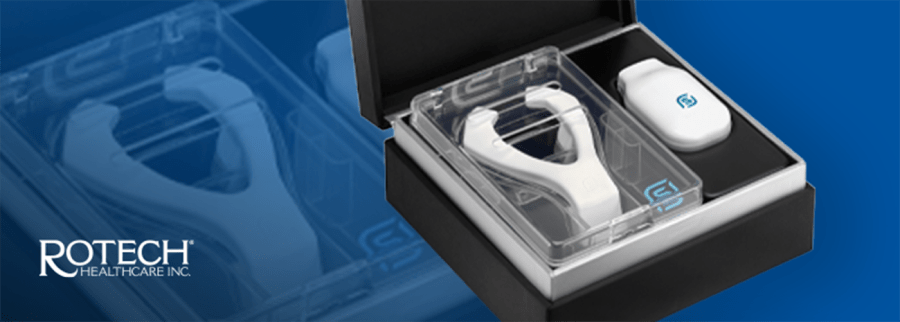
Orlando, FL — November 25, 2024 — Rotech Healthcare, a leader in home respiratory and medical equipment, is thrilled to announce an agreement for a supplier partnership with Signifier Medical Technologies Limited. This partnership will introduce the FDA-approved eXciteOSA® device to payers, healthcare providers, and patients, marking a significant advancement in the treatment of mild to moderate Obstructive Sleep Apnea (OSA).

The eXciteOSA® device, developed by Signifier Medical Technologies, represents a pioneering approach to OSA therapy. Unlike traditional solutions, eXciteOSA® is designed for daytime use, targeting the root causes of OSA with a user-friendly and non-invasive treatment method. Neuromuscular electrical stimulation (NMES) tones tongue muscles to maintain an open airway during sleep, improving users’ sleep quality and overall health.

“Partnering with Signifier Medical Technologies is an exciting step forward for us,” said Robin Menchen, Chief Executive Officer at Rotech Healthcare. “The eXciteOSA® device offers an easy-to-use and effective treatment for OSA, and we are proud to bring this cutting-edge technology to our network of payers and healthcare providers, ultimately benefiting countless patients.”

“eXciteOSA® is an innovative and promising technology that is helpful for some patients with OSA,” said Professor Atul Malhotra, MD, a renowned expert recently honored with the 2024 Sleep and Respiratory Neurobiology Lifetime Achievement Award by the American Thoracic Society. “The data suggest that OSA patients have issues with endurance in the upper airway muscles, a problem directly addressed by this technology. OSA is thought to affect up to 1 billion people worldwide. Although CPAP is effective for some patients, many benefit from alternative therapies such as eXciteOSA. eXciteOSA® can serve as a standalone treatment for snoring and for certain patients with mild OSA, while also being a useful adjunctive therapy alongside other interventions such as weight loss.”

“Rotech Healthcare’s extensive reach and commitment to patient care make them an ideal partner for us,” said Professor Akhil Tripathi, Co-Founder and Managing Director of Signifier Medical Technologies. “Together, we can ensure that patients suffering from OSA have access to innovative and effective treatment options.”

Earlier this year, CMS established a new HCPCS code for the eXciteOSA® device.  The device was also approved for coverage by Medicaid in South Carolina.

This partnership underscores Rotech Healthcare’s ongoing commitment to enhancing patient care through innovative medical solutions. The eXciteOSA® device will be available through Rotech Healthcare’s comprehensive distribution channels, ensuring broad accessibility for those in need.

About Rotech Healthcare: Rotech Healthcare is a premier provider of home respiratory and medical equipment, dedicated to improving the quality of life for patients through superior care and innovative solutions. With a nationwide network, Rotech Healthcare offers a wide range of services and products designed to meet the diverse needs of its home care patients.

About Signifier Medical Technologies Limited: Signifier Medical Technologies Limited is at the forefront of medical innovation, specializing in the development of advanced therapy solutions for OSA. Their flagship product, the eXciteOSA® device, reflects their commitment to improving patient outcomes through state-of-the-art technology.

The Benefits of Home Oxygen Therapy: A Comprehensive Overview for New Patients

Welcome to the world of home oxygen therapy! If you’re new to using oxygen therapy, it’s natural to have many questions. As a new patient navigating the world of oxygen concentrators and portable tanks, we’re here to provide you with the knowledge and support you need to confidently manage your therapy, ensuring you feel comfortable and empowered in managing your health at home.

What is Home Oxygen Therapy?

Home oxygen therapy involves the use of medical devices to provide supplemental oxygen to individuals who have difficulty breathing because of medical conditions like Chronic Obstructive Pulmonary Disease (COPD), emphysema, chronic bronchitis, or heart failure. It’s a crucial treatment to maintain adequate oxygen levels in your bloodstream, which is essential for your organs to function correctly. If you’re reading this, your doctor or health care provider has likely prescribed oxygen for home use.

Understanding Oxygen Concentrators

Oxygen concentrators are at the heart of home oxygen therapy. They provide a continuous, reliable source of oxygen by filtering and concentrating oxygen from the air in your environment. This advanced operation involves a series of filters and sieve beds that separate oxygen from other gases, delivering 90-95% pure oxygen to the user.

How Oxygen Concentrators Operate:

Air Intake: The concentrator pulls in ambient, or room, air and compresses it.

Filtration and Nitrogen Removal: It uses filters and sieves to clean the air and separate oxygen from nitrogen and other gases.

Oxygen Delivery: Concentrated oxygen is delivered to the patient through a nasal cannula or, occasionally, a mask.

If you’re using a home oxygen concentrator, following a few simple tips is essential to ensure it works well. First, place your oxygen concentrator in a spot with good airflow to help it run well. Keep it clean by regularly changing or cleaning the air filters, following the manufacturer’s guidelines. Finally, always use your nasal cannula correctly so you get the correct amount of oxygen. Following these tips will ensure you maximize your oxygen therapy’s benefits.

Oxygen Tanks for Portability: Freedom to Move

While oxygen concentrators are excellent for stationary use at home, oxygen tanks or cylinders play a crucial role in maintaining mobility and independence for people who need continuous oxygen use. These tanks are lightweight and portable, allowing you to continue your oxygen therapy while out and about. Whether going on a quick trip to the grocery store or a more extended excursion, having a portable oxygen solution ensures your therapy continues uninterrupted.

Oxygen tanks are designed with convenience in mind, making them an excellent choice for those needing supplemental oxygen on the go. Their lightweight design makes them easy to carry and handle. Depending on the cylinder’s size and the flow setting, they can provide oxygen for several hours, ensuring users have the support they need throughout the day. This combination of portability and extended duration of use makes portable oxygen cylinders a reliable option for managing respiratory conditions effectively while maintaining an active lifestyle.

Safety and proper preparation are essential when using portable oxygen cylinders to ensure a reliable and secure oxygen supply. At home, oxygen tanks should be secured in a stand or lying flat.  Always check the oxygen level before leaving home to make sure you have enough oxygen for your outing.  It’s also a good idea to prepare by carrying an extra cannula, your oxygen key, and ensuring you have your o-ring (or washer) for your tank so you’re ready for any situation. Safety is always paramount; securely store your oxygen tanks to prevent accidents. If you’re transporting oxygen in a car, tanks should be on the floorboard behind you, not in the trunk. Following these steps will help you manage your oxygen needs safely and effectively while on the move.
Adjusting to Oxygen Therapy at Home

Adapting to oxygen therapy involves understanding your prescribed regimen, whether it’s continuous or only during sleep. Low oxygen saturation affects your entire body, not just your lungs! With supplemental oxygen, your heart and body can use less effort to perform the same activities. We’ll guide you through creating a safe and comfortable space in your home and share tips for living actively and safely with oxygen therapy.

Some patients are prescribed oxygen for continuous use, and others only for night time use. Continuous oxygen therapy means using your oxygen concentrator throughout the day and night without interruption. This approach can be necessary for those with severe respiratory conditions, as it ensures a consistent supply of oxygen at all times. Some individuals may only require supplemental oxygen while sleeping, when natural breathing slows and oxygen levels might drop. This is known as night-time, or nocturnal use.

Your health care provider will determine the best regimen based on your specific health needs and oxygenation status, adjusting the flow rate and duration of oxygen delivery to suit your daily and nocturnal requirements. Whether you’re on continuous or night-time oxygen therapy, regular monitoring and following your prescribed regimen are the keys to managing your condition and improving your quality of life.

Creating a supportive home environment for oxygen therapy is essential for your safety and comfort. To ensure easy access to your equipment, arrange your living spaces to accommodate your oxygen setup, taking care to minimize fall risks from tubing. Safety is also critical. Don’t smoke, and keep your oxygen equipment at least 15 feet away from open flames, high temperatures, and flammable materials, as oxygen can greatly increase fire risk. These steps will help you create a safe and comfortable home setting.


Integrating oxygen therapy into your lifestyle can be straightforward with the right strategies, allowing you to maintain your daily activities. It’s crucial to use your oxygen therapy exactly as your health care provider prescribes to maximize its effectiveness.

 Portable oxygen solutions enable you to continue participating in your daily routines and exercise, supporting your overall well-being. By using oxygen therapy properly, you can continue to engage actively in life, enjoying your interests and activities as much as possible.


Embrace Life with Oxygen Therapy

Home oxygen therapy is a critical component of managing your respiratory health. Embrace this new aspect of your life with the assurance that you’re not alone. More than 1.5 million people in the United States use supplemental oxygen! Home oxygen therapy is a vital part of managing your health. With the right approach, you can integrate it into your daily life. Take it one breath at a time, and always prioritize your comfort and well-being.

Rotech Healthcare is here to support you every step of the way, helping you improve your life at home. If you have questions or need assistance, reach out to your local Rotech office for personalized support.

Travel CPAP: Unpacking the Benefits

Your Companion for Sweet Dreams on the Go

Do you love the thrill of exploring new places? Whether you’re a road warrior for work or an explorer for pleasure, we’re here to guide you through maintaining your health and ensuring you get quality rest no matter where you are. If you’re a frequent traveler with sleep apnea, you know caring for your sleep health is vital — and part of that is everyday use of your CPAP machine. You may have wondered whether a travel CPAP machine is the right companion for wherever your journeys take you. We’ll look at some essential factors for you to consider as you decide.

The Joys of Portability

First, the most obvious perk of a travel CPAP machine is its portability. These devices are designed to be as lightweight and compact as possible, making them a breeze to carry around. Machines like the Transcend Micro are smaller than many handheld game consoles or a paperback thriller! Imagine not worrying about fitting your CPAP into your carry-on or lugging an extra bag. With the small size of a travel CPAP, you can pack that extra pair of shoes or bring home souvenirs for loved ones without a second thought!

Convenience at Your Fingertips

Now, let’s talk convenience. Travel CPAP machines like the ResMed AirMini or the Breas Z2 are built for the traveler at heart. They’re not just smaller; they’re designed to fit into your life easily when you’re on the go. The ResMed AirMini weighs a mere 10.6 ounces – less than an iPad! This means fewer worries about how to pack your device and more time soaking in the joys of travel. Plus, setting up your travel CPAP in new environments is a cinch, which means one less hurdle in getting a good night’s sleep, wherever you may be.

With a travel CPAP, you don’t have to worry about finding distilled water wherever your travels may take you. Waterless humidification on some models can capture heat and moisture from your breath and the air to help keep your airway from drying out.

Not only is a travel CPAP easier to pack, but it also means your CPAP is always ready to go when you want to travel! You don’t have to take your primary unit apart and pack it, nor do you have to worry about accidentally leaving it – or parts of it — in a hotel room somewhere. It’ll be safe at home, awaiting your return.

Power Options Galore

One of the gems of travel CPAP machines is their versatile power options. Many models come with adapters for different power supplies worldwide; some will work with battery power and even offer battery packs or solar chargers for those off-the-grid adventures. This feature is a game-changer, ensuring you can keep your sleep apnea treatment consistent, even in flight or in remote corners of the globe.       

Ease of Use: A Breath of Fresh Air

Travel CPAP machines are designed with simplicity in mind. They aim to make your life easier, not more complicated. On many models, you can continue to use the CPAP mask you already sleep peacefully with each night. Some, like the Transcend Micro, have auto start and stop to initiate or stop therapy just by putting your mask on or taking it off — you don’t even have to fumble for a power button. With intuitive interfaces and straightforward settings, these devices ensure that managing your sleep apnea treatment remains hassle-free, giving you more time to enjoy your adventures.

Considering the Trade-Offs

No journey is without its bumps, and it’s the same with travel CPAP machines. Some models may be missing advanced features you’re used to with your home device, and it’s worth noting that not all insurance plans cover these portable wonders. The cost of a travel machine may only be worth it if you travel frequently and can use the machine regularly. However, the benefits of easily maintaining your treatment while traveling, even occasionally, can outweigh these considerations.

Quiet operation is vital for a machine that’s supposed to help you get restful sleep. Most travel machines have a noise level comparable to your home machine. For example, the ResMed AirMini measures approximately 2dBA louder than an AirSense 10. Sound perception can be subjective, so your travel device may sound slightly different from your home machine, even with whisper-quiet operation.

Remember, traveling with your regular CPAP is absolutely doable! In fact, to make that process as smooth as possible, we’ve crafted the ultimate guide on traveling with your CPAP. This guide is packed with tips and tricks to make traveling feel like a breeze.

The Importance of Consistent Treatment

Maintaining your sleep apnea treatment is vital, whether you’re at home or exploring the Amazon. Untreated sleep apnea can put a damper on your adventures, affecting your health and energy levels, and even a single night without a CPAP can increase your risk of severe complications. Daily use is essential, no matter where you’re sleeping! By ensuring you have a CPAP that suits your travel lifestyle, you’re taking a crucial step in caring for your well-being, enabling you to embrace every experience fully.

To Travel CPAP or Not?

After considering the advantages—portability, convenience, versatile power options, and ease of use—alongside the minor cons, the answer leans heavily towards a resounding yes if you’re a frequent traveler, a fan of traveling light, or simply looking to make your travel experiences smoother.

Your adventures should be about discovering new places, new experiences, and creating memories, not worrying about extra baggage or whether you’ll get a healthy night’s sleep. The best CPAP machine for you is the one you’ll use, no matter where you might be. A travel CPAP can be a faithful companion on your journeys, ensuring you wake up refreshed and ready to explore – and when you’re ready to be at home in your bed, your trusty conventional CPAP will be ready and waiting for you!

We understand the importance of your health and well-being on your travel adventures, from finding the top travel CPAP machines to ensuring you’re equipped with the mask and accessories that help you sleep as soundly as possible. That’s why we’re here every step of the way to make sure you have the resources and support you need!

Wake Up to Better, Healthy Sleep!

Sleep Awareness Month

March is Sleep Awareness Month, making it the perfect opportunity to dive into the world of healthy sleep and, specifically, the common yet often misunderstood condition called obstructive sleep apnea (OSA). We’ll explore the risk factors, sleep apnea’s unique impact on women, and the transformative power of sleep studies and proper sleep hygiene. We’ll empower you with knowledge and solutions for better, healthier sleep!

Unpacking the Risk Factors for Obstructive Sleep Apnea

Obstructive sleep apnea is more than just snoring; it’s a condition where your breathing repeatedly stops and starts during sleep. Sleep Apnea can lead to a host of problems, from daytime fatigue to serious health issues. But what puts you at risk for OSA? Here’s a closer look:

Weight: Being overweight is a key risk factor, as excess fat around the neck can obstruct the airway.

Anatomy: Factors like a narrow throat, neck circumference, enlarged tonsils, or a large tongue can increase the risk.

Age and Gender: OSA is more common in men, but the risk increases for women after menopause. Sleep apnea occurs more frequently in older adults.

Family History: Genetics plays a role, so having relatives with OSA might increase your risk.

Lifestyle Choices: Smoking and alcohol consumption can contribute to the development of sleep apnea.

Recognizing these risk factors is crucial for early identification and management of OSA.

Recognizing Sleep Apnea Symptoms

Awareness of sleep apnea symptoms is critical for early detection and treatment. Common signs include loud snoring, excessive daytime sleepiness, or choking or gasping for air during sleep. Other symptoms may include morning headaches, difficulty concentrating, mood changes such as irritability or depression, and a sore throat or dry mouth upon waking. Talk to your healthcare professional about these symptoms if you or someone you know is experiencing them.

Sleep Apnea in Women: A Closer Look

Sleep apnea isn’t just a man’s issue. In women, the condition is often underdiagnosed and can present differently. Symptoms like insomnia, morning headaches, fatigue, and mood changes are common in women with sleep apnea. Hormonal changes during menopause can also increase the risk, making it essential for women to be aware of and address potential sleep issues.

The Importance of Sleep Testing

“Do I need a sleep study?” If you’re asking this, the answer might be yes, especially if you’re experiencing sleep apnea symptoms! A sleep study is critical for diagnosing OSA and can help determine your treatment options, like using a CPAP machine. This test monitors your sleep stages, breathing, oxygen levels, and heart rate, providing a comprehensive view of what happens while you sleep.

Sleep testing, or polysomnography, is essential for diagnosing obstructive sleep apnea and other sleep disorders. There are two main types of sleep studies: in-office and home sleep testing.

In-office sleep testing involves an overnight stay at a sleep center, where technicians monitor your sleep throughout the night. This comprehensive testing measures various aspects of your sleep, including brain waves, oxygen levels, heart rate, breathing patterns, and movements. It provides a detailed picture of your body’s behavior during sleep, allowing for accurate diagnosis and tailored treatment plans.

Home sleep testing offers a more convenient option for many patients. With this method, you receive a portable device to take home, which you use while you sleep in your own bed. This device typically records your breathing, oxygen levels, and breathing effort. While less comprehensive than the in-office test, home sleep testing is effective for diagnosing obstructive sleep apnea in straightforward cases. It can be a more comfortable and cost-effective alternative for patients.

Both testing methods can play a role in diagnosing sleep apnea and determining the best treatment approach, such as using a CPAP machine or other interventions. Talk to your healthcare professional to determine what your best choice for a sleep study might be.

Enhancing Sleep Hygiene for Better Health

Good sleep hygiene is essential for everyone, especially if you’re at risk for sleep disorders. Here are some strategies to improve your sleep quality:

  • Stick to a consistent sleep schedule.
  • Ensure your sleeping environment is quiet, dark, and cool.
  • Limit caffeine and alcohol intake, especially when you’re close to bedtime.
  • Disconnect from electronic devices before sleep to help your mind relax.

By improving your sleep hygiene, you can enhance the quality of your sleep and reduce the risk of sleep-related issues.

Rotech and Sleep Central: Your Partners in Sleep Health

Navigating the world of sleep health can be complex, but you don’t have to do it alone. Rotech and Sleep Central are here to help, offering resources and support for your entire journey to better sleep!

As we observe Sleep Awareness Month, let’s commit to prioritizing our sleep health. Understanding the risk factors and symptoms of obstructive sleep apnea, recognizing its signs in both men and women, and taking proactive steps towards better sleep hygiene can improve your health and well-being. And with Rotech and Sleep Central by your side, you’re never alone on this journey to better rest. Here’s to healthier sleep and happier days ahead!

Embracing Daylight Saving Time

Spring Forward with Healthy Sleep!

As daylight saving time rolls in, it’s not just the clocks that spring forward—that hour of sleep leaps right out the window, too! This can be a bit of a hiccup for anyone, but it can be an extra challenge for older adults and those battling sleep apnea. Fear not: we’ve gathered some strategies to help you adjust without missing a beat.

Shine with the Sun

Let’s talk about the magic of sunlight. Morning light is like nature’s alarm clock—it tells your body it’s time to wake up and get moving. Soaking in those early rays helps reset your internal clock to harmonize with the new time. When evening rolls around, dial down the artificial lights and give screens a rest to let your body know it’s time to wind down. This is a gentle nudge for your circadian rhythms, helping you adjust smoothly.

A Cozy Nest for Optimal Rest

Creating a sleep haven can make all the difference in the quality of your sleep. Think cool, dark, and quiet. Sticking to your treatment routine with your CPAP or Bi-Level machine is vital for healthy sleep for those with sleep apnea, but it’s not the only step you can take. Whether it’s investing in blackout curtains, exploring the soothing hum of a white noise machine, or otherwise ensuring your bedroom is a tranquil retreat, setting the stage for a peaceful slumber really works!

Sleep Hygiene: Your Nightly Rituals

Consistency is your best friend when it comes to sleep hygiene. Try to keep your bedtime and wake-up times steady, even when the temptation to sleep in a bit longer on weekends calls. Cultivate a pre-sleep ritual that relaxes you—maybe a warm bath, a good book, or some gentle yoga stretches. These acts signal to your body that it’s time to wind down and drift off to a healthy, restorative night’s sleep.

Nap Smart

Napping isn’t off the table, but think of it as a power-up — not a catch-up. Short, early afternoon naps can refresh you without spoiling your nighttime sleep appetite. Aim for those quick, rejuvenating 20-minute snoozes to recharge your batteries.

A Lifestyle That Loves Sleep

Good sleep hygiene doesn’t stop at the bedroom door; it’s a lifestyle! Your daily habits play a starring role in how well you sleep. Regular exercise, a nutritious diet, and hydration all support healthy sleep. Steer clear of known sleep saboteurs like heavy meals, caffeine, and alcohol.

A Friendly Reminder

Adjusting to daylight saving time doesn’t have to be a chore. With a bit of planning and some positive adjustments, it can be an opportunity to refresh your sleep habits and embrace the longer days with zest. Here’s to brighter days and restful nights ahead!

Rotech Plans Seamless Leadership Transition

ORLANDO, Fla. – Effective January 1, 2024, Tim Pigg has transitioned from the Chief Executive Officer (CEO) to Executive Chairman of the Board.  He has served in the CEO position for the past 10 years and various other leadership positions for a total of 40 years with Rotech.

In his new role, Pigg will continue to invest his time in the company’s major strategies and lobbying efforts.

Robin Menchen has advanced from the President and Chief Operating Officer (COO) to President and CEO for Rotech Healthcare Inc. (Rotech).  Menchen has also served as the company’s Chief Administrative Officer (CAO), VP of Compliance and various other leadership roles over the past 30 years.

“I have worked closely with Robin for over 2 decades and she has consistently demonstrated exceptional leadership, vision, and a deep understanding of Rotech’s goals and values. I am confident Robin, with the continued support of the executive team, will continue to drive our company’s success,” Pigg said, “It has been an honor and a privilege to serve as Rotech’s CEO, and I will cherish the memories and relationships I have forged during my tenure.”

Rotech is one of the largest providers of home medical equipment and related products and services (collectively referred to as “HME products and services”) in the United States, with a comprehensive offering of oxygen, other respiratory therapy equipment, wound care equipment and supplies, and diabetes devices and supplies. The Company provides HME products and services in 50 states through approximately 300 operating locations.

Handwashing: The Simplest Step to Better Health

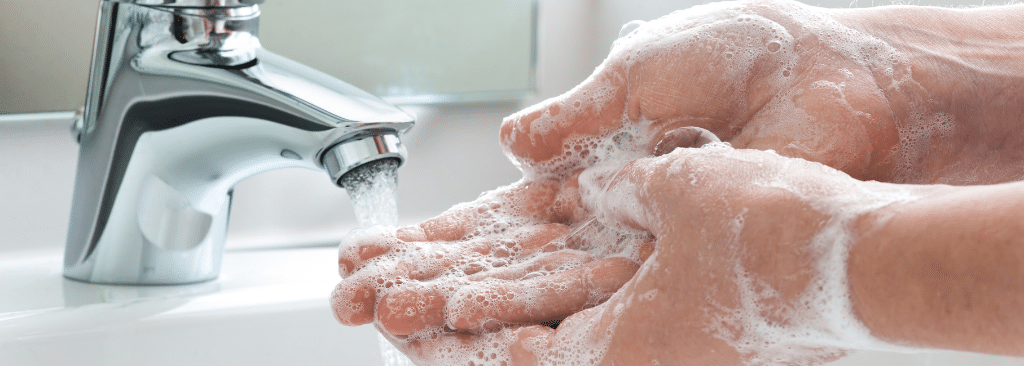
What’s both incredibly simple and astonishingly powerful? Handwashing! The first full week of December is National Handwashing Awareness Week.  We’re here to dive into why this everyday activity is a game changer, especially for those of us managing chronic wounds or conditions like COPD and diabetes.

Why Handwashing is a Big Deal

You might be thinking, “It’s just handwashing, why does it matter?” It does! Handwashing is like your personal health guardian. It’s your frontline defense against germs that can lead to infections and other health complications.

For those with conditions like COPD or diabetes, your skin can be more vulnerable and your body may have a tougher time healing. This means that preventing infections through something as simple as regular handwashing can be a crucial part of managing your condition. It’s not just about cleanliness; it’s about maintaining your health stability. Each time you wash your hands, think of it as a positive, proactive step towards staying healthy and avoiding unnecessary complications.

In a world where health can be complex and challenging, handwashing is a straightforward, effective tool that everyone can use. It empowers you to take control of your health in a very real, tangible way.

The Science of Suds

When you have chronic conditions like COPD or diabetes, your immune system might be working overtime. This makes you more susceptible to infections. Germs are sneaky little things. They hitch a ride on our hands from everything we touch – door handles, medical equipment, even our phones (yep, they’re germ hotspots!). Washing your hands properly sends these germs down the drain, literally.

Washing Your Hands Like a Pro

Here’s the step-by-step to effective handwashing:

  • Wet your hands with clean, running water. Warm or cold? According to the CDC, both are equally effective!
  • Lather up with soap. Don’t forget the backs of your hands, between your fingers, and under those nails. Soap and friction help lift the dirt, grease, and microbes from your skin so they can be rinsed away.
  • Scrub for at least 20 seconds. Studies show that washing hands for 15-30 seconds removes more germs than washing for a shorter amount of time.
  • Rinse well under clean, running water.
  • Dry your hands using a clean towel or air dry them.

Hand Sanitizer: The On-the-Go Option

Can’t get to a sink? Hand sanitizer is your next best friend, as long as your hands aren’t visibly dirty or greasy. Just make sure it contains at least 60% alcohol. Rub it all over your hands until they’re dry, and voilà!

Integrating Handwashing into Your Routine

For home medical patients, integrating handwashing into your daily routine is vital. Before and after using any medical equipment, make it a habit. Washing hands before checking your blood sugar, putting on your CPAP mask, or handling your oxygen concentrator can prevent infections and keep your equipment in top shape.

In the grand scheme of things, handwashing is a small act, but it holds immense power in protecting your health. This National Handwashing Awareness Week, commit to keeping those hands clean. This simple step makes a world of difference in managing your health with confidence and ease!

Is it time for a CPAP Replacement?

Curious about CPAP Replacement? How do you know when it’s time to upgrade or replace your CPAP machine? If you’re reading this, there’s a good chance you’ve been using the same reliable CPAP machine for a few years. First, kudos to you for being committed to your sleep apnea therapy and taking charge of your health!

In this blog post, we’ll dive into why CPAP manufacturers recommend replacing your machine after around 60 months or five years. So sit back, relax, and let’s unravel this mystery together.

Reason 1: Improved Technology and Features

Like smartphones and televisions, CPAP machine technology has come a long way. Think of it as going from a flip phone to the latest iPhone. While your current CPAP machine might be doing its job, newer models incorporate advanced features that can enhance your overall therapy experience. From quieter operation to better humidification control, these updated machines bring a new level of comfort and convenience to your sleep apnea therapy.

Reason 2: Enhanced Therapy Effectiveness

As time passes, CPAP manufacturers continue to innovate and improve the performance of their machines. With each new iteration, they find ways to optimize therapy effectiveness, making it even more beneficial for users like you. By upgrading to a newer CPAP machine, you might experience better pressure delivery and smarter data tracking capabilities, contributing to more efficient and effective sleep apnea treatment.

Reason 3: Insurance Coverage and Reimbursement

Here’s the icing on the CPAP cake: most insurance companies recognize the importance of keeping up with technology. As a result, they offer coverage for CPAP machine replacement around the 5-year mark. That’s right – you might be eligible for a shiny new machine without breaking the bank. Why not use this opportunity to enhance your therapy? It’s a win-win situation!

Maintenance Tips:

Before you call us to upgrade your CPAP machine, let’s address an important point: Regular maintenance is critical to prolonging the lifespan of your CPAP equipment. So, you need to make sure to clean your mask, tubing, and humidifier chamber regularly to keep everything in tip-top shape. Also, remember to replace your filters and other accessories for optimal performance! By taking good care of your CPAP gear, you can maximize its longevity and make the most of your investment.

So, if you’ve been pondering whether it’s time to replace your trusty old CPAP machine, we hope we’ve shed some light on the benefits of upgrading. From improved technology and therapy effectiveness to potential insurance coverage, there are plenty of reasons to consider a fresh start with a new machine. Remember, your sleep apnea therapy should be a breeze, and upgrading your CPAP machine might bring that extra level of comfort and ease you’ve longed for. Sweet dreams and happy upgrading!


Interested in a CPAP upgrade? Want to learn more about our 60-month replacement program or find out if you’re eligible to replace your machine? Contact your Rotech location today!