

Rotech Healthcare

Topic: COPD

What to Do When You Feel Short of Breath With COPD

You’re carrying laundry up the stairs. Halfway up, your chest tightens. Breathing feels shallow, effortful. You stop, grip the railing, wait for it to pass.

Or maybe it happens when you’re getting dressed in the morning, bending over to tie your shoes, or walking across a parking lot on a humid day.

If you live with chronic obstructive pulmonary disease (COPD), moments like these are familiar, and unsettling. The sensation of not being able to get enough air can trigger worry, frustration, and sometimes panic, which only makes breathing harder.

This article focuses on practical, everyday strategies for managing shortness of breath at home. Not quick fixes, but approaches that can help you feel more in control when breathing becomes difficult, and habits that may support easier breathing over time.


What Shortness of Breath Feels Like in COPD

Chronic obstructive pulmonary disease (COPD) is a long‑term lung condition that makes it harder to move air in and out of the lungs. It includes conditions like emphysema and chronic bronchitis, and it often causes ongoing shortness of breath that can worsen with activity or illness.

COPD affects the airways and air sacs in your lungs, making it harder for air to move in and out. Over time, this can cause breathlessness during activities that once felt routine.

People describe the sensation differently. Some feel tightness in the chest. Others experience what’s sometimes called “air hunger” — a feeling of not being able to take a satisfying breath. Fatigue often accompanies it, because breathing requires more effort than it should.

Symptoms can vary day to day, even hour to hour. Weather, activity level, sleep quality, stress, and exposure to irritants all play a role. A good morning doesn’t mean the afternoon will be easy, and a difficult day doesn’t necessarily signal that something has changed with your condition.

Understanding this variability can help reduce some of the anxiety that comes with unpredictable symptoms. Fluctuation is part of living with COPD, not necessarily a sign that things are getting worse.


Woman practicing pursed lip breathing while standing in her kitchen

What to Do in the Moment When Breathing Feels Difficult

When shortness of breath hits, having a few reliable strategies can help you regain a sense of control.

Pursed-Lip Breathing

This technique slows your breathing and helps keep airways open longer, making each breath more effective.

How to do it:

  • Breathe in slowly through your nose for about 2 seconds
  • Purse your lips as if you’re about to blow out a candle
  • Breathe out slowly and gently through your pursed lips for 4–6 seconds
  • Repeat until your breathing feels more controlled

Pursed-lip breathing works best when you practice it regularly, not just during episodes. The more familiar it becomes, the easier it is to use when you really need it.

Positioning Your Body

Certain positions can ease the work of breathing by giving your diaphragm more room to move.

  • Standing: Lean forward slightly with your hands resting on a table, counter, or your thighs
  • Sitting: Lean forward with your elbows on your knees or on a table in front of you
  • Resting: Lie on your side with pillows supporting your head and between your knees

Find what works for you. Different positions help different people, and what helps may vary depending on the situation.

Slow Down and Pause

When you feel breathless, the instinct is often to push through. But continuing activity can make symptoms worse.

Stop what you’re doing. Sit or lean if you can. Give your breathing time to settle before deciding whether to continue, modify, or rest.


Everyday Habits That Support Easier Breathing

Beyond in-the-moment strategies, certain daily habits can help reduce how often breathlessness disrupts your day.

Plan Activities to Conserve Energy

Pacing yourself matters. Break tasks into smaller steps with rest periods in between. Tackle more demanding activities earlier in the day when energy is often higher. Sit down for tasks when standing isn’t necessary.

This kind of planning is all about doing things in a way that works with your breathing, not against it.

Stay Consistent With Prescribed Therapy

If you use inhalers, nebulizers, or supplemental oxygen, using them as prescribed helps keep symptoms more stable. Skipping doses or using equipment inconsistently can make breathlessness harder to manage.

If you’re unsure whether your current therapy is working, or if you’re having trouble using your equipment correctly, talk with your care team. Small adjustments can sometimes make a meaningful difference.

Create a Comfortable Home Environment

Indoor air quality matters more than most people realize. Reducing dust, avoiding strong fragrances, and keeping humidity at a comfortable level can all help.

If outdoor air quality is poor, due to heat, humidity, pollen, or pollution, staying indoors with windows closed may help prevent symptom flares.

Know Your Triggers

Pay attention to what tends to make breathing harder for you. Common triggers include:

  • Extreme temperatures (hot or cold)
  • Strong odors, smoke, or fumes
  • Physical exertion without rest breaks
  • Respiratory infections
  • Stress or anxiety

You won’t be able to avoid every trigger, but awareness helps you prepare and respond more effectively.


Active senior man leaning against a tree trying to breathe while walking outdoors

When Shortness of Breath Is a Sign to Call for Help

Learning to manage symptoms at home is important, but so is recognizing when symptoms need clinical attention.

Consider reaching out to your care team if:

  • Breathlessness feels different from your usual baseline
  • Your usual strategies (breathing techniques, rest, medication) aren’t helping
  • You notice new symptoms alongside breathlessness, such as fever, chest pain, swelling, or changes in mucus color
  • You’re using your rescue inhaler more frequently than normal
  • Symptoms are interfering with sleep, eating, or basic daily activities

These don’t necessarily mean something serious is happening, but they’re worth a conversation. Early attention to changes can often prevent bigger problems.

If you experience severe shortness of breath, confusion, bluish lips or fingertips, or chest pain, seek emergency care immediately.


How Rotech Healthcare Supports Patients at Home

Managing COPD at home is easier when you have the right equipment, understand how to use it, and know who to call when questions come up.

Rotech Healthcare provides home respiratory equipment, including oxygen therapy, nebulizers, and CPAP/BiPAP devices, along with patient education and ongoing support. Our respiratory specialists help patients understand their therapy, troubleshoot equipment concerns, and stay connected to their care.

Programs like COPDBridge™ offer structured support during transitions from hospital to home, when patients are often most vulnerable to setbacks. And for those managing respiratory conditions long-term, CarePLUS™ provides continued monitoring and care coordination.

The focus is on helping you feel supported, informed, and more confident managing breathing at home.


Man with oxygen mask being put on face by doctor

COPD Shortness of Breath: Common Questions Answered

Why does shortness of breath come and go with COPD?

COPD symptoms can fluctuate based on activity, weather, air quality, sleep, stress, and overall health. A difficult morning doesn’t mean the rest of the day will be hard, and good days don’t mean the condition has improved. Day‑to‑day variability is a normal part of living with COPD.

Is it normal to feel tired after breathing feels difficult?

Breathing with COPD takes more effort than normal, which can lead to fatigue. Feeling worn out after episodes of breathlessness is common. Pacing activities and allowing time to recover can help conserve energy.

What breathing technique helps most with COPD breathlessness?

Pursed‑lip breathing is one of the most effective and widely recommended techniques. It helps slow breathing, keeps airways open longer, and reduces the sensation of air hunger. Practicing it regularly makes it easier to use when symptoms arise.

Should I use oxygen when I feel short of breath?

Only if your healthcare provider has prescribed supplemental oxygen for you. Oxygen therapy is based on specific oxygen levels and needs, and it should not be used “as needed” unless your care team has instructed you to do so.

How do I know when my symptoms are getting worse?

Pay attention to changes from your usual baseline. If breathlessness feels different, your normal strategies aren’t helping, or you notice new symptoms such as fever, increased mucus, or chest tightness, it’s a good idea to contact your care team.

Can anxiety make COPD breathlessness worse?

Yes. Anxiety can lead to faster, shallower breathing, which may intensify the feeling of breathlessness. This can create a cycle where breathing difficulty increases anxiety. Techniques like pursed‑lip breathing can help interrupt that cycle.

What position helps most when I’m short of breath?

Leaning forward, either standing with your hands on a surface or sitting with elbows on your knees, often helps by giving the diaphragm more room to work. The most helpful position can vary, so experimenting is important.

When should I go to the emergency room for shortness of breath?

Seek emergency care if you experience severe breathlessness that doesn’t improve, confusion, chest pain, bluish lips or fingertips, or any symptoms that feel alarming or unfamiliar. If something feels seriously wrong, trust your instincts and get help.


Breathing Easier Starts With Awareness

Living with COPD means adapting to a body that works differently than it used to. That’s frustrating, and some days are harder than others.

But breathlessness doesn’t have to mean helplessness. With practical techniques, thoughtful daily habits, and support from your care team, many people with COPD find ways to manage symptoms and maintain quality of life.

Pay attention to your body. Communicate with the people involved in your care. And know that small, consistent actions often matter more than dramatic interventions.

Managing Both COPD and Heart Failure? What You Need to Know

Living with one chronic condition is hard enough. Managing two that affect both your breathing and your heart can add another layer of complexity to everyday life.

COPD (chronic obstructive pulmonary disease) and heart failure often occur together, and the overlap can make symptoms harder to recognize and manage. Research shows that up to one-third of people with heart failure also have COPD,1 and when these conditions coexist, they can intensify each other in ways that aren’t always obvious.

With a clear understanding of how COPD and heart failure interact, and a care plan designed to address both, it’s possible to manage symptoms at home and reduce unexpected hospital visits.

At Rotech Healthcare, we specialize in helping patients living with COPD and heart failure get the equipment, education, and ongoing support they need to stay healthier and out of the hospital. This article will help you understand how these conditions are connected, what symptoms to watch for, and how we can help you take control of your care.


Why COPD and Heart Failure Often Go Together

If you have COPD and heart failure, you might wonder: why me? Why both? The truth is, these two conditions share so many risk factors and pathways that having one significantly increases your risk of developing the other. This isn’t bad luck — it’s biology.

Shared Risk Factors

COPD and heart failure often develop from the same underlying causes:2

Risk Factor How It Affects You
Smoking history Damages both lung tissue and blood vessels, contributing to both conditions
Aging Natural decline in heart and lung function increases vulnerability
Chronic inflammation Ongoing inflammation throughout the body affects both the heart and lungs
Sedentary lifestyle Reduced physical activity weakens both cardiovascular and respiratory systems
Air pollution and environmental exposures Long-term exposure damages lung tissue and promotes cardiovascular disease

How Each Condition Makes the Other Worse

COPD and heart failure create a cycle that can be difficult to break:

COPD puts extra strain on your heart. When your lungs don’t work efficiently, your body has to work harder to get enough oxygen. This extra effort strains the heart over time, potentially leading to heart failure, especially affecting the right side of the heart.

Heart failure makes breathing harder. When your heart can’t pump effectively, fluid can build up in your lungs. This fluid makes it even harder to breathe, worsening the symptoms you already experience from COPD.

The result is that each condition accelerates the progression of the other, which is why managing both together, rather than treating them separately, is so important.


Sporty senior man walking outdoors with headphones on and coughing, out of breath

Recognizing Symptoms When You Have Both Conditions

One of the most frustrating aspects of living with COPD and heart failure is that the symptoms overlap so much. It can be genuinely difficult to know which condition is causing your discomfort on any given day.

Symptoms Common to Both Conditions

  • Shortness of breath — especially during activity or when lying flat
  • Fatigue and low energy — feeling exhausted even after rest
  • Swelling in legs, ankles, or feet — more common with heart failure, but can occur with both
  • Difficulty sleeping — particularly when lying down
  • Reduced ability to exercise — getting winded more easily than before
  • Coughing — may be dry or produce mucus

Why Tracking Matters

Because these symptoms overlap, it’s critical to monitor changes rather than guess at the cause. A symptom that’s “normal” for your COPD might actually signal worsening heart failure, or vice versa.

This is exactly why working with a provider who understands both conditions makes such a difference. Tracking your symptoms over time helps you and your care team identify patterns, catch problems early, and adjust your treatment before small issues become emergencies.


How Rotech Supports Patients with COPD and Heart Failure with COPDBridge™

Managing two complex conditions at home requires more than just equipment delivery. It requires education, regular monitoring, and a care team that stays connected with you over time.

At Rotech Healthcare, we’ve built programs specifically designed to help patients like you manage their conditions at home, reducing hospitalizations and improving quality of life.

COPDBridge™: Intensive Support in the Critical First 30 Days

The weeks immediately following a hospital discharge are the most vulnerable time for COPD patients. Research shows that more than 20% of patients hospitalized for COPD are readmitted within 30 days.3 That’s why we created COPDBridge™.

COPDBridge™ is a comprehensive 30-day program designed to help you transition safely from hospital to home and stay out of the hospital.

What’s included:

  • Weekly visits with a respiratory therapist — including physical assessments, nutrition support, medication review, and smoking cessation resources if applicable
  • Daily monitoring and data collection — tracking your condition so changes are caught early
  • COPDBridge 30-Day Journal — a structured way to record your symptoms, track your progress, and identify patterns
  • Online patient education — accessible from any device, so you can learn at your own pace
  • Follow-up documentation — sent directly to your hospital and physician, keeping your entire care team informed

Learn More About COPDBridge™

The goal: Help you recognize the early signs of an exacerbation, follow your COPD action plan, and get treatment before things get worse.

CarePLUS™: Ongoing Support Beyond the First 30 Days

While COPDBridge focuses on the critical post-discharge period, CarePLUS™ ensures you have everything you need for long-term success at home.

CarePLUS™ provides:

  • Overnight oximetry testing — monitoring your oxygen levels while you sleep to catch problems that daytime measurements miss
  • Home medical equipment — including hospital beds, wheelchairs, ventilators, oxygen supplies, and other equipment tailored to your needs
  • Care coordination — our team keeps your physicians and care team informed about how you’re doing at home
  • Ongoing troubleshooting and support — care coordinators available to answer questions, solve problems, and ensure your equipment is working properly

Think of CarePLUS as an extension of your care team — eyes and ears in your home that help catch issues before they become emergencies.

Learn More About CarePLUS™


Older man taking his medication at home as prescribed

Practical Tips for Managing Both Conditions at Home

While professional support is essential, there’s also a lot you can do every day to manage COPD and heart failure together.

Monitor Your Symptoms Daily

Pay attention to changes in your breathing, energy levels, and swelling. Keep a simple log, even just a few notes each day can help you spot patterns and give your care team valuable information.

Watch for warning signs that need attention:

  • Sudden increase in shortness of breath
  • New or worsening swelling in legs or ankles
  • Rapid weight gain (more than 2-3 pounds in a day or 5 pounds in a week)
  • Increased coughing or change in mucus color
  • Feeling unusually tired or confused

Take Medications as Prescribed

Both COPD and heart failure often require multiple medications. Take them exactly as prescribed, and don’t stop or change doses without talking to your doctor first. If you’re having trouble keeping track, ask your pharmacist about pill organizers or medication management tools.

Stay as Active as Safely Possible

It might seem counterintuitive when breathing is difficult, but gentle, regular physical activity can strengthen both your heart and lungs over time. Talk to your doctor about what level of activity is safe for you, and consider pulmonary rehabilitation if it’s available in your area.

Follow Dietary Guidelines

Both conditions benefit from limiting sodium intake, which can reduce fluid retention and ease the strain on your heart and lungs. Your care team can provide specific guidance based on your situation.

Don’t Skip Follow-Up Appointments

Regular check-ins with your doctors allow them to catch changes early and adjust your treatment plan as needed. If getting to appointments is difficult, ask about telehealth options or whether your home health provider can help coordinate care.


Man with supplemental oxygen on flexing outdoors in the woods

Remember, You’re Not Managing This Alone

Managing COPD and heart failure is challenging, but doable, especially when you partner with the right provider. It’s important to be proactive with your care, and be your own advocate. Rotech is here to help with our COPDBridge and CarePLUS programs, which focus on improving outcomes and making sure you have the equipment you need at home to manage your conditions. Contact us to learn more about how we can help you.


Frequently Asked Questions About COPD and Heart Failure

Why do COPD and heart failure often occur together?

COPD and heart failure share many risk factors, including smoking, aging, and chronic inflammation. Additionally, COPD puts extra strain on the heart over time because the body works harder to get enough oxygen. Heart failure, in turn, can cause fluid buildup in the lungs, worsening breathing problems. This creates a cycle where each condition accelerates the other.

How common is it to have both COPD and heart failure?

Very common. Research indicates that up to 30-40% of patients with heart failure also have COPD,1 and vice versa. Having both conditions together is associated with worse outcomes and more frequent hospitalizations, which is why coordinated management is so important.

How can I tell which condition is causing my symptoms?

This is one of the most challenging aspects of living with both conditions, since symptoms like shortness of breath, fatigue, and swelling occur with both COPD and heart failure. Tracking your symptoms daily helps identify patterns. Working with a provider like Rotech, who can monitor your oxygen levels and coordinate with your care team, makes it easier to determine what’s happening and respond appropriately.

What is the COPDBridge™ program?

COPDBridge™ is Rotech’s 30-day intensive support program for COPD patients transitioning from hospital to home. It includes weekly respiratory therapist visits, daily monitoring, patient education, a symptom-tracking journal, and direct communication with your care team. The goal is to reduce hospital readmissions by helping you catch problems early and manage your condition effectively at home.

What is CarePLUS™ and how does it help?

CarePLUS™ is Rotech’s ongoing support program that extends beyond the first 30 days. It includes overnight oximetry testing, home medical equipment supply, care coordination with your physicians, and responsive support from care coordinators. CarePLUS acts as an extension of your care team, helping identify issues before they become emergencies.

Can both conditions be managed at home?

Yes. With proper equipment, education, monitoring, and support, most patients with COPD and heart failure can manage their conditions at home. The key is having a comprehensive care plan and working with a provider who understands both conditions and can coordinate your care effectively.

What symptoms should I report to my doctor immediately?

Contact your care team or seek medical attention if you experience sudden worsening of shortness of breath, rapid weight gain (more than 2-3 pounds in a day), new or increased swelling, chest pain, confusion, or symptoms that don’t respond to your usual treatments. Early intervention can often prevent hospitalization.

Does insurance cover home respiratory therapy programs?

Most insurance plans, including Medicare, cover home respiratory equipment and related services for patients with qualifying diagnoses. Rotech works with most major insurance providers and can help you understand your coverage options.


References

  1. Axson, E. L., Sundaram, V., Bloom, C. I., Bottle, A., Cowie, M. R., & Quint, J. K. (2018). Hospitalisation and mortality outcomes of patients with comorbid COPD and heart failure: a systematic review protocol. BMJ Open, 8(6), e023058. https://doi.org/10.1136/bmjopen-2018-023058
  2. de Miguel-Díez, J., Chancafe Morgan, J., & Jimenez-Garcia, R. (2013). The association between COPD and heart failure risk: A review. International Journal of Chronic Obstructive Pulmonary Disease, 8, 305. https://doi.org/10.2147/copd.s31236
  3. Fortis, S. (2024). Why Home-NIV Should Begin in the Hospital, Not at Home. American Journal of Respiratory and Critical Care Medicine, 210(3), 260–261. https://doi.org/10.1164/rccm.202401-0214vp

7 Early Signs of COPD You Shouldn’t Ignore

A COPD Awareness Month Guide

Every November, COPD Awareness Month shines a spotlight on one of the most common and often misunderstood chronic health conditions in the United States: Chronic Obstructive Pulmonary Disease (COPD).

According to the Centers for Disease Control and Prevention (CDC), nearly 16 million Americans have been diagnosed with COPD, and millions more may have it without knowing.¹ Because COPD develops slowly, its early warning signs often go unnoticed or are mistaken for normal aging, allergies, or simply being “out of shape.”

If you or someone you love has been experiencing persistent breathing issues, knowing what to look for can make all the difference.


What Is COPD?

COPD stands for Chronic Obstructive Pulmonary Disease. It’s a long-term lung condition that makes it hard to breathe over time. COPD isn’t just one disease. It is a group of progressive lung diseases1, mainly these two conditions:

  • Chronic bronchitis, which causes a long-term cough and mucus due to inflamed airways
  • Emphysema, which damages the tiny air sacs in the lungs, making it hard to get enough oxygen

Man sitting at the table and putting on an oxygen mask

What Causes COPD?

Most cases of COPD are caused by long-term exposure to irritants that damage the lungs. Common causes include2:

  • Smoking cigarettes or cigars
  • Breathing in secondhand smoke
  • Air pollution, dust, or workplace chemicals
  • Long-term asthma or respiratory infections
  • Rarely, a genetic condition called Alpha-1 antitrypsin deficiency

Smoking is the most common cause, but even nonsmokers can develop COPD.


Why Early Diagnosis Is So Important

COPD gets worse over time, but early treatment can slow down the damage. If caught early, people with COPD can:

  • Breathe easier with the right medications or oxygen therapy
  • Reduce flare-ups and infections
  • Stay active and independent longer
  • Avoid trips to the ER or hospital

Knowing the warning signs can help you get care before your symptoms interfere with daily life.


Man lying on couch with hand on his head, holding oxygen mask to his mouth

7 Early Signs of COPD You Shouldn’t Ignore

These warning signs are your body’s way of signaling that your lungs might need help. If you notice several of these symptoms3 regularly, it’s time to speak with a healthcare provider.

1. A Persistent Cough That Won’t Go Away

A lingering cough, sometimes called a “smoker’s cough,” is one of the earliest and most common signs of COPD. It might be dry or bring up mucus (phlegm), especially in the mornings.

What it means: Your lungs may be irritated or inflamed, trying to clear out built-up mucus.

2. Shortness of Breath During Normal Activities

Do you get winded climbing stairs, walking to the mailbox, or doing chores you used to do easily? This kind of breathlessness, especially if it’s new or getting worse, is a key sign of COPD.

What it means: Your lungs may not be exchanging oxygen properly, especially if air is getting trapped inside them.

3. Wheezing or Whistling When Breathing

If you hear a whistling or squeaky sound when you breathe, especially at night, it may be caused by narrowed or blocked airways. 

What it means: Wheezing can happen with asthma, but in adults over 40, it’s also linked to COPD. Don’t ignore it.

4. Frequent Chest Colds or Infections

Getting sick often with bronchitis, pneumonia, or other respiratory infections? It could be a red flag.

What it means: COPD makes it harder for your lungs to clear viruses and bacteria. You might find yourself catching colds more easily or taking longer to recover.

5. Feeling Tightness or Pressure in the Chest

Chest discomfort in COPD doesn’t usually feel sharp like a heart attack. It may feel more like heaviness, pressure, or tightness, especially when moving around.

What it means: Your lungs might be overinflated, straining your breathing muscles and making it harder to take a deep breath.

6. Mucus That’s Hard to Clear

Are you coughing up more mucus than usual? Is it thick, sticky, or colored (yellow or green)? You may be producing too much mucus, even without an infection.

What it means: This is a common sign of chronic bronchitis and can make breathing more difficult.

7. Constant Fatigue or Low Energy

Feeling exhausted all the time, even after a full night’s sleep, is another early clue.

What it means: Your body may not be getting enough oxygen, which can lead to tiredness, weakness, and trouble focusing.


Adult man testing breathing function by spirometry having health problem. Diagnosis of respiratory function in pulmonary disease.

What to Do if You Think You Have COPD

If any of these symptoms feel familiar, here’s what you can do:

  • Track your symptoms. Write down when they happen and what makes them better or worse.
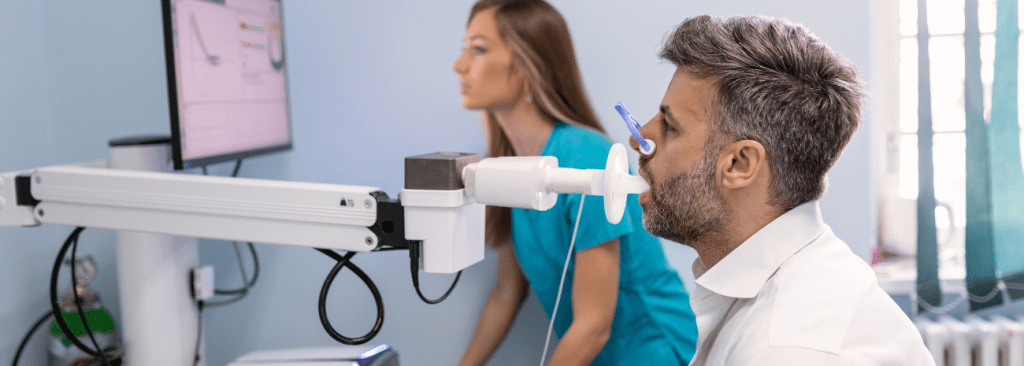
  • See your doctor. A simple breathing test called spirometry can measure how well your lungs are working.
  • Get a diagnosis. If COPD is suspected, your doctor may recommend medications, inhalers, lifestyle changes, or oxygen therapy.
  • Ask questions. Learn what type of COPD you have and what treatments can help.
  • Don’t wait. The earlier you start managing COPD, the more control you’ll have over your breathing and your future health.

Getting help sooner really makes a difference. Studies show that getting diagnosed and treated for COPD earlier can help keep you out of the hospital, stop your symptoms from getting worse, and make it easier for you to feel better day to day.4


How Rotech Healthcare Supports People with COPD

At Rotech Healthcare, we believe no one should struggle to breathe or navigate their care alone. We specialize in helping patients manage COPD with reliable respiratory equipment, personalized support, and compassionate care.

Here’s how we help:

Oxygen Therapy, Customized for You

Sleep Therapy (CPAP and BiLevel)

  • For patients with an overlap of COPD and sleep apnea
  • Resupply services to keep your therapy consistent

Trusted Clinical Support

  • Licensed respiratory therapists who work directly with your doctor
  • Educational support for you and your caregivers
  • Ongoing therapy monitoring

Insurance Coordination Made Easy

  • We work with most major insurance plans and Medicare Part B
  • We handle the paperwork, so you can breathe easier

Visit www.rotech.com to find your local office or start your oxygen referral today.


Man holding oxygen mask to his face with healthcare professional in the background

Rotech Is Here to Help You Breathe Easier

If you recognize any of these early COPD symptoms in yourself or a loved one, don’t wait! Take control of your lung health today. COPD may sound scary, but with the right care, you can live a full, active life.

Schedule a visit with your healthcare provider to discuss your concerns and get the answers you need. And remember that you’re not alone on this journey. Rotech is here to support you with expert guidance, compassionate care, and quality respiratory equipment every step of the way.

This COPD Awareness Month, take the first step toward better breathing.

Contact your local Rotech office or visit Rotech.com to learn more.


References

  1. Centers for Disease Control and Prevention. (2023). Chronic obstructive pulmonary disease (COPD). CDC.gov. https://www.cdc.gov/copd/index.html
  2. American Lung Association. (2025, March 19). COPD Causes and Risk Factors. American Lung Association. https://www.lung.org/lung-health-diseases/lung-disease-lookup/copd/what-causes-copd
  3. American Lung Association. (2023, April 28). COPD Symptoms. American Lung Association. https://www.lung.org/lung-health-diseases/lung-disease-lookup/copd/symptoms-diagnosis/symptoms
  4. Larsson, K., Janson, C., Ställberg, B., Lisspers, K., Olsson, P., Kostikas, K., Gruenberger, J.-B., Gutzwiller, F. S., Uhde, M., Jorgensen, L., & Johansson, G. (2019). Impact of COPD diagnosis timing on clinical and economic outcomes: the ARCTIC observational cohort study. International Journal of Chronic Obstructive Pulmonary Disease, 14(14), 995–1008. https://doi.org/10.2147/COPD.S195382

The Benefits of Home Oxygen Therapy: A Comprehensive Overview for New Patients

Welcome to the world of home oxygen therapy! If you’re new to using oxygen therapy, it’s natural to have many questions. As a new patient navigating the world of oxygen concentrators and portable tanks, we’re here to provide you with the knowledge and support you need to confidently manage your therapy, ensuring you feel comfortable and empowered in managing your health at home.

What is Home Oxygen Therapy?

Home oxygen therapy involves the use of medical devices to provide supplemental oxygen to individuals who have difficulty breathing because of medical conditions like Chronic Obstructive Pulmonary Disease (COPD), emphysema, chronic bronchitis, or heart failure. It’s a crucial treatment to maintain adequate oxygen levels in your bloodstream, which is essential for your organs to function correctly. If you’re reading this, your doctor or health care provider has likely prescribed oxygen for home use.

Understanding Oxygen Concentrators

Oxygen concentrators are at the heart of home oxygen therapy. They provide a continuous, reliable source of oxygen by filtering and concentrating oxygen from the air in your environment. This advanced operation involves a series of filters and sieve beds that separate oxygen from other gases, delivering 90-95% pure oxygen to the user.

How Oxygen Concentrators Operate:

Air Intake: The concentrator pulls in ambient, or room, air and compresses it.

Filtration and Nitrogen Removal: It uses filters and sieves to clean the air and separate oxygen from nitrogen and other gases.

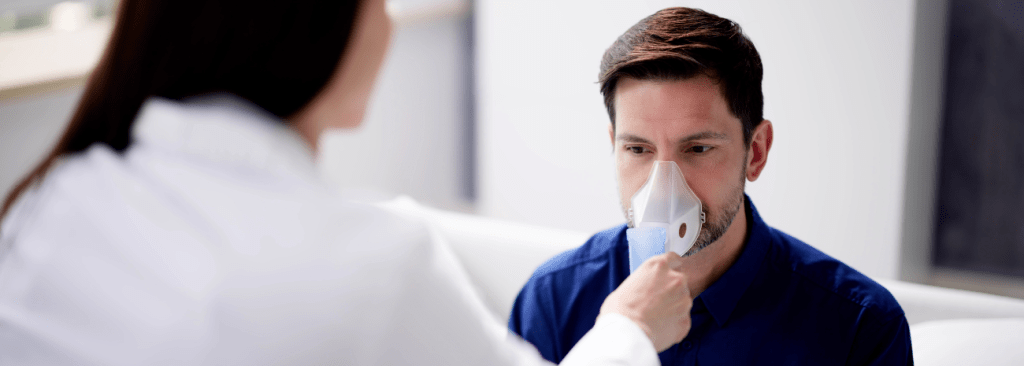
Oxygen Delivery: Concentrated oxygen is delivered to the patient through a nasal cannula or, occasionally, a mask.

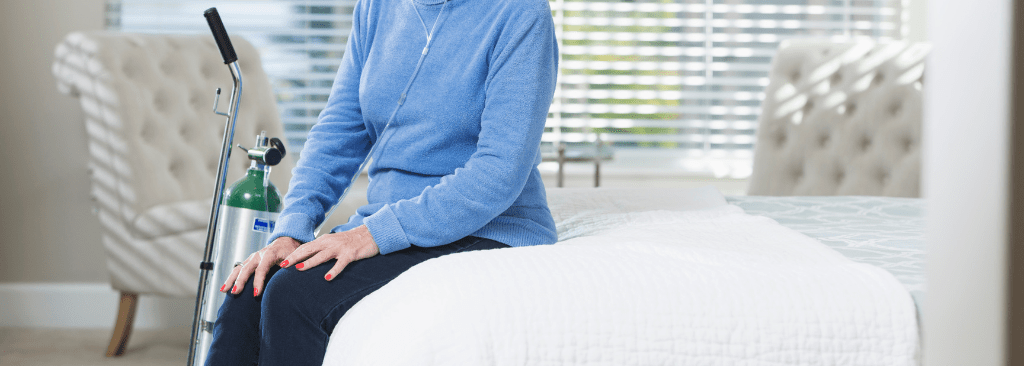
If you’re using a home oxygen concentrator, following a few simple tips is essential to ensure it works well. First, place your oxygen concentrator in a spot with good airflow to help it run well. Keep it clean by regularly changing or cleaning the air filters, following the manufacturer’s guidelines. Finally, always use your nasal cannula correctly so you get the correct amount of oxygen. Following these tips will ensure you maximize your oxygen therapy’s benefits.

Oxygen Tanks for Portability: Freedom to Move

While oxygen concentrators are excellent for stationary use at home, oxygen tanks or cylinders play a crucial role in maintaining mobility and independence for people who need continuous oxygen use. These tanks are lightweight and portable, allowing you to continue your oxygen therapy while out and about. Whether going on a quick trip to the grocery store or a more extended excursion, having a portable oxygen solution ensures your therapy continues uninterrupted.

Oxygen tanks are designed with convenience in mind, making them an excellent choice for those needing supplemental oxygen on the go. Their lightweight design makes them easy to carry and handle. Depending on the cylinder’s size and the flow setting, they can provide oxygen for several hours, ensuring users have the support they need throughout the day. This combination of portability and extended duration of use makes portable oxygen cylinders a reliable option for managing respiratory conditions effectively while maintaining an active lifestyle.

Safety and proper preparation are essential when using portable oxygen cylinders to ensure a reliable and secure oxygen supply. At home, oxygen tanks should be secured in a stand or lying flat.  Always check the oxygen level before leaving home to make sure you have enough oxygen for your outing.  It’s also a good idea to prepare by carrying an extra cannula, your oxygen key, and ensuring you have your o-ring (or washer) for your tank so you’re ready for any situation. Safety is always paramount; securely store your oxygen tanks to prevent accidents. If you’re transporting oxygen in a car, tanks should be on the floorboard behind you, not in the trunk. Following these steps will help you manage your oxygen needs safely and effectively while on the move.

Adjusting to Oxygen Therapy at Home

Adapting to oxygen therapy involves understanding your prescribed regimen, whether it’s continuous or only during sleep. Low oxygen saturation affects your entire body, not just your lungs! With supplemental oxygen, your heart and body can use less effort to perform the same activities. We’ll guide you through creating a safe and comfortable space in your home and share tips for living actively and safely with oxygen therapy.

Some patients are prescribed oxygen for continuous use, and others only for night time use. Continuous oxygen therapy means using your oxygen concentrator throughout the day and night without interruption. This approach can be necessary for those with severe respiratory conditions, as it ensures a consistent supply of oxygen at all times. Some individuals may only require supplemental oxygen while sleeping, when natural breathing slows and oxygen levels might drop. This is known as night-time, or nocturnal use.

Your health care provider will determine the best regimen based on your specific health needs and oxygenation status, adjusting the flow rate and duration of oxygen delivery to suit your daily and nocturnal requirements. Whether you’re on continuous or night-time oxygen therapy, regular monitoring and following your prescribed regimen are the keys to managing your condition and improving your quality of life.

Creating a supportive home environment for oxygen therapy is essential for your safety and comfort. To ensure easy access to your equipment, arrange your living spaces to accommodate your oxygen setup, taking care to minimize fall risks from tubing. Safety is also critical. Don’t smoke, and keep your oxygen equipment at least 15 feet away from open flames, high temperatures, and flammable materials, as oxygen can greatly increase fire risk. These steps will help you create a safe and comfortable home setting.

Integrating oxygen therapy into your lifestyle can be straightforward with the right strategies, allowing you to maintain your daily activities. It’s crucial to use your oxygen therapy exactly as your health care provider prescribes to maximize its effectiveness.

 Portable oxygen solutions enable you to continue participating in your daily routines and exercise, supporting your overall well-being. By using oxygen therapy properly, you can continue to engage actively in life, enjoying your interests and activities as much as possible.

Embrace Life with Oxygen Therapy

Home oxygen therapy is a critical component of managing your respiratory health. Embrace this new aspect of your life with the assurance that you’re not alone. More than 1.5 million people in the United States use supplemental oxygen! Home oxygen therapy is a vital part of managing your health. With the right approach, you can integrate it into your daily life. Take it one breath at a time, and always prioritize your comfort and well-being.

Rotech Healthcare is here to support you every step of the way, helping you improve your life at home. If you have questions or need assistance, reach out to your local Rotech office for personalized support.

Handwashing: The Simplest Step to Better Health

What’s both incredibly simple and astonishingly powerful? Handwashing! The first full week of December is National Handwashing Awareness Week.  We’re here to dive into why this everyday activity is a game changer, especially for those of us managing chronic wounds or conditions like COPD and diabetes.

Why Handwashing is a Big Deal

You might be thinking, “It’s just handwashing, why does it matter?” It does! Handwashing is like your personal health guardian. It’s your frontline defense against germs that can lead to infections and other health complications.

For those with conditions like COPD or diabetes, your skin can be more vulnerable and your body may have a tougher time healing. This means that preventing infections through something as simple as regular handwashing can be a crucial part of managing your condition. It’s not just about cleanliness; it’s about maintaining your health stability. Each time you wash your hands, think of it as a positive, proactive step towards staying healthy and avoiding unnecessary complications.

In a world where health can be complex and challenging, handwashing is a straightforward, effective tool that everyone can use. It empowers you to take control of your health in a very real, tangible way.

The Science of Suds

When you have chronic conditions like COPD or diabetes, your immune system might be working overtime. This makes you more susceptible to infections. Germs are sneaky little things. They hitch a ride on our hands from everything we touch – door handles, medical equipment, even our phones (yep, they’re germ hotspots!). Washing your hands properly sends these germs down the drain, literally.

Washing Your Hands Like a Pro

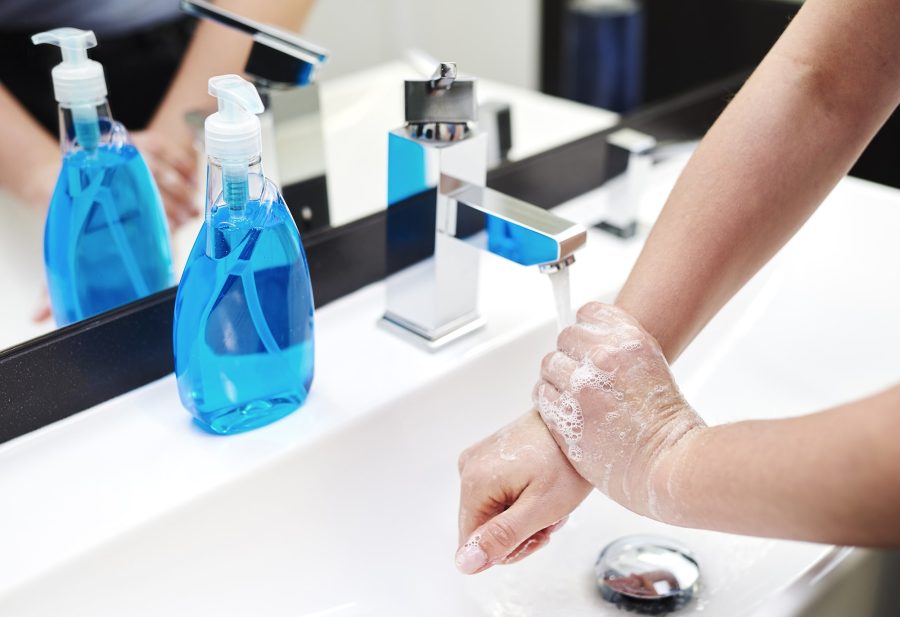
Here’s the step-by-step to effective handwashing:

  • Wet your hands with clean, running water. Warm or cold? According to the CDC, both are equally effective!
  • Lather up with soap. Don’t forget the backs of your hands, between your fingers, and under those nails. Soap and friction help lift the dirt, grease, and microbes from your skin so they can be rinsed away.
  • Scrub for at least 20 seconds. Studies show that washing hands for 15-30 seconds removes more germs than washing for a shorter amount of time.
  • Rinse well under clean, running water.
  • Dry your hands using a clean towel or air dry them.

Hand Sanitizer: The On-the-Go Option

Can’t get to a sink? Hand sanitizer is your next best friend, as long as your hands aren’t visibly dirty or greasy. Just make sure it contains at least 60% alcohol. Rub it all over your hands until they’re dry, and voilà!

Integrating Handwashing into Your Routine

For home medical patients, integrating handwashing into your daily routine is vital. Before and after using any medical equipment, make it a habit. Washing hands before checking your blood sugar, putting on your CPAP mask, or handling your oxygen concentrator can prevent infections and keep your equipment in top shape.

In the grand scheme of things, handwashing is a small act, but it holds immense power in protecting your health. This National Handwashing Awareness Week, commit to keeping those hands clean. This simple step makes a world of difference in managing your health with confidence and ease!

Summer Strategies for COPD Patients: Maximizing Fun and Minimizing Exacerbations

The sun is out, the weather is warm, and it’s time to get outdoors to enjoy the sunshine and fresh air. However, the summer months can present unique challenges for individuals with chronic lung diseases like Chronic Obstructive Pulmonary Disease (COPD). Coping with the heat, humidity, and potential triggers can be overwhelming. Still, with proper planning, you can make the most of the season while prioritizing your respiratory health. Here are nine tips to help you have a safe, healthy, and fun summer.

Stay Hydrated:

Hot weather can lead to dehydration. When your body is dehydrated, your airways become dry and inflamed, and your body can create more mucus, putting you at risk for an exacerbation. Make it a habit to drink plenty of fluids throughout the day, preferably water, to keep your body well-hydrated. Limit or avoid beverages containing caffeine or alcohol, which can contribute to dehydration.

Plan Outdoor Activities Wisely:

Enjoying the outdoors is one of the best parts of summer. Plan your activities during the cooler parts of the day, typically early morning or evening. Avoid going out during the hottest hours, usually between 10 a.m. and 4 p.m., when high temperatures and increased pollution levels can strain your lungs. Try to find shaded areas or carry an umbrella to shield yourself from direct sunlight.

Dress Appropriately:

Choose lightweight, loose-fitting clothing made from breathable fabrics like cotton or linen. These materials allow air circulation, preventing excessive perspiration and discomfort. Additionally, wear a wide-brimmed hat and sunglasses to protect yourself from harmful UV rays.

Manage Indoor Environments:

Ensure your indoor environment is comfortable and conducive to easy breathing. Keep your living space well-ventilated, use air conditioning or fans to maintain a cool temperature, and consider using air purifiers to minimize indoor pollutants. Avoid exposure to strong chemical odors or irritants, such as paint or cleaning products, which can trigger respiratory symptoms.

Stay Informed about Air Quality:

Keep track of the air quality index (AQI) in your area, as high pollution levels can worsen COPD symptoms. Several smartphone applications and websites provide real-time air quality information. If the AQI is poor, consider adjusting your plans or staying indoors to reduce exposure.

Carry Medications and Emergency Contacts:

Always carry your prescribed medications with you, including inhalers and any additional medications recommended by your healthcare provider. Ensure you have an emergency contact list, including your healthcare professional’s phone number, the number of your local Rotech office, and local emergency services.

Seek Shade and Take Breaks:

During outdoor activities, take regular breaks to rest and seek shade. Overexertion and excessive heat can strain your respiratory system. Listen to your body and pace yourself accordingly!

Avoid Smoke and Other Triggers:

Smoke, including smoke from grills, barbecues, or fireworks, can worsen COPD symptoms. Stay away from areas where smoking is permitted, and avoid exposure to secondhand smoke. Similarly, be cautious around strong fragrances, chemicals, and other known triggers that can irritate your lungs.

Prioritize Self-Care:

Self-care isn’t selfish, it’s allowing you to be the best version of yourself! Prioritize self-care to maintain your overall well-being. Get adequate rest, eat a healthy diet, and find things you enjoy that promote relaxation and reduce stress.

COPD: Strategies for a Happy Holiday

How do you have happy holidays when you’re dealing with COPD? For many people with COPD or other chronic lung diseases, it can seem difficult to make things merry during this time of year. Research shows that COPD exacerbations tend to increase during the holiday season1. We’ll go over some important COPD holiday strategies to help make sure your holidays are happy and healthy.

Take Care of Yourself

If you use supplemental oxygen or take medications, make sure you have an adequate supply. Remember that holiday closures and inclement weather may make getting additional tanks of oxygen or a trip to the pharmacy challenging, and travel plans can unexpectedly change. Plan ahead if you can!

Wash your hands frequently: before and after eating, when using the restroom, and when touching high-contact surfaces like door handles. Talk to your physician and make sure you’re up-to-date on any doctor-recommended vaccinations, including your flu shot!

Dress for the weather

Cold weather and COPD aren’t a good mix. Extremely cold temperatures can narrow airways, leading to a cascade of events that might increase difficulty breathing, mucus production, coughing, and more2. If outdoor activities are a must, schedule them for warmer times of the day. Continue to monitor air quality before you head outside. While family members may vacation during the holidays, air pollution doesn’t.

Wearing a scarf or mask on your face can help warm up air before you breathe it into your lungs. Stay warm, dress for the weather, and don’t spend time outside if temperatures are low.

Enjoy, but don’t overindulge

Turkey, ham, prime rib, and all those side dishes, beloved holiday desserts and cookies! While an occasional treat or indulgence is fine, eating mostly healthy foods in small portions will help keep your body healthy and happy. Avoid gas-producing foods that might contribute to a bloated feeling and make breathing uncomfortable. If your COPD makes it hard to eat a full meal, dine slowly; take small bites and chew your food thoroughly. Eat more frequent, smaller meals instead of two or three large ones during the day.

If you’ve been prescribed continuous oxygen therapy, make sure you wear your cannula while eating. Eating and digestion both require energy, and your body needs oxygen for that!

Get enough rest

It’s tempting to stay up later than normal or push yourself to attend just one more gathering, but not getting enough sleep or allowing yourself to overdo it can leave you run down and even more susceptible to illness or exacerbations. Make sure you’re getting enough rest, and if you feel fatigued or overwhelmed, don’t be afraid to leave an activity or event.

Watch for exacerbation triggers

From baking gingerbread to newly cut Christmas trees, or maybe the freshly-bleached scent of a well-scrubbed house, the holidays bring with them a lot of scents. Even when they’re pleasant, scents can make you cough, wheeze, have more shortness of breath than usual, and increase COPD exacerbations. Know how strong scents affect you, and have a plan to deal with them if necessary.

Wood smoke from stoves and fireplaces can also cause you to cough and have trouble breathing. Burning wrapping paper can release toxic chemicals into the air. If you want a fire lit for some atmosphere, an alternative might be an electronic fireplace, a display of unscented candles, or maybe even a yule log video on television.

Having Happy Holidays with COPD

While living with COPD may require you to make some changes to your holidays, staying healthy and continuing to manage your condition is worth it so there are many more holiday seasons to come! Use these simple strategies to maximize your lung health, make new memories and enjoy the holiday season!

[1]: Johnston NW, McIvor A, Lambert K, et al. The Christmas season as a risk factor for chronic obstructive pulmonary disease exacerbations. Can Respir J. 2010;17(6):275-281. doi:10.1155/2010/460532

[2] D’Amato, M., Molino, A., Calabrese, G. et al. The impact of cold on the respiratory tract and its consequences to respiratory health. Clin Transl Allergy 8, 20 (2018). https://doi.org/10.1186/s13601-018-0208-9

4 Reasons COPD Patients Don’t Eat Enough Food

Many COPD patients don’t eat enough, which can lead to unintentional weight loss. Chronic Obstructive Pulmonary Disorder, or COPD, makes it a struggle to breathe. That struggle burns a lot of calories. In fact, COPD patients can use up to 40% more energy per day than someone without COPD because of the increased effort it takes to breathe.

Patients who are underweight have an increased risk for infection, hospitalization, and other problems. Solving issues with breathing, energy levels, and your appetite can take a little bit of creative thinking and flexibility! Here are a few reasons we frequently hear COPD patients aren’t eating enough:

“I feel bloated and can’t breathe well after a meal.”

Try eating several small meals instead of two or three large meals during the day. Healthy, hearty snacks that include both protein and carbohydrates can also be helpful! Avoid gas-producing foods that might contribute to a bloated feeling, like beans, carbonated drinks, and sugar alcohols like xylitol or sorbitol used to replace sugar in sugar-free foods.

“I don’t have the breath or energy to cook well.”

Prepare nutritious foods that require less energy to make like breakfast for dinner, hearty snack plates, and slow-cooker meals. Fix larger portions, and freeze some (safely!) to warm up later. Convenience foods that are pre-cooked or ready-to-eat can provide good alternatives, but keep an eye on sodium levels if you’re on a salt-restricted diet. Don’t cook? Meals on Wheels can be a great inexpensive option!

“I don’t have any appetite.”

Some medications (e.g. theophylline) can upset your stomach, but the most common cause is swallowing mucus. If you cough up mucus or have sinus drainage, avoid swallowing the mucus as much as possible.

Scheduling and planning meals and snacks and eating something, even if you don’t necessarily feel like it, can help keep you on track.

“I just can’t eat that much!”

If you can’t eat a lot, focus on nutrient-dense foods that are higher in calories. Adding a dish of ice cream as an end-of-day treat can help, too! High-calorie supplement drinks can be useful when you’re unable to eat well. Special formulations for people with breathing problems are available, but talk with your doctor or dietitian for recommendations. Eating a good meal is always best, but a high-calorie, vitamin-rich drink can serve as a substitute in a pinch.

Proper nutrition is especially important for patients with breathing problems. When COPD patients don’t eat enough and become underweight, it can lead to more issues and health complications. Always talk to your doctor or a registered dietitian before making changes to your diet.

Looking for more information about living well with COPD? See our COPD Resources page!

For billing questions or insurance updates, click the NEW chat icon in the lower right — we’re here to help!