

Rotech Healthcare

Topic: Oxygen

Preventing Hospital Bounce-Backs: How Rotech Supports Complex Respiratory Patients at Home

Hospital discharge is one of the most critical handoffs in a patient’s journey. And for medically complex patients with Chronic Obstructive Pulmonary Disease (COPD), Congestive Heart Failure (CHF), or neuromuscular conditions, the days following a hospital stay are often the most fragile, and most overlooked.

On paper, a discharge might look seamless: oxygen ordered, non-invasive ventilation (NIV) prescribed, enteral therapy in motion.

But in practice?

  • The oxygen arrives two days late.
  • The patient doesn’t understand how to use their mask.
  • Additional supplies (e.g., masks, tubing, nebulizer kits) never show.
  • No one follows up.

Each delay or missed connection increases the risk of readmission, a frustrating experience for patients and providers alike. Nearly 1 in 5 Medicare patients are readmitted within 30 days, and a significant portion of those readmissions are considered preventable.¹

At Rotech, we believe preventable readmissions should be just that: prevented. Below, we break down how Rotech’s coordinated clinical programs help hospital teams improve discharge outcomes, reduce post-acute risk, and support long-term patient stability at home.


Why Respiratory Patients Are Especially High-Risk

Patients with chronic or acute respiratory needs face unique challenges during the transition from hospital to home:

  • Therapy adherence is complex. Patients may be prescribed oxygen, CPAP, BiPAP, nebulizers, NPWT, or ventilator therapy, often in combination.
  • Setups can be delayed. Lack of coordination or backlogs in supply delivery can mean a critical window is missed.
  • Education is inconsistent. Patients may not know how to manage their equipment or when to seek help.
  • Follow-up is fragmented. Without structured accountability, early warning signs are often missed.

These breakdowns disproportionately affect high-risk patients, especially those with COPD, CHF, obesity hypoventilation syndrome (OHS), and neuromuscular conditions. If not addressed swiftly, they can lead to worsening symptoms, complications, and avoidable hospital returns.2


Rotech: A Trusted Partner in Post-Acute Respiratory Transitions

Rotech offers a unique advantage to hospitals and discharge teams: nationwide scale with local, personalized clinical support.

  • 300+ locations across the U.S.
  • 24–48 hour setup turnaround in most areas
  • Dedicated discharge coordination teams
  • Clinical oversight for complex therapies
  • Streamlined referrals (one call, one partner)
  • Ongoing patient monitoring and education

Whether you’re transitioning a patient from ICU or managing long-term ventilator needs, Rotech delivers continuity of care beyond the discharge doors. Refer a patient to Rotech Healthcare today.


Clinical Programs That Close the Gaps

Rotech offers several targeted programs designed to help reduce hospital readmissions by improving setup speed, therapy adherence, and post-discharge education. These programs are built to support specific patient populations with complex respiratory needs.

1. COPDBridge™ – Helping COPD Patients Succeed Post-Discharge

COPD exacerbations are among the leading causes of 30-day hospital readmissions.3 Rotech’s COPDBridge™ program supports patients during the critical first 30 days at home.

What It Includes

  • COPD-specific follow-up care and education
  • Supply and therapy verification
  • Symptom coaching to detect and report flare-ups early
  • Seamless coordination with the prescribing provider

Program Impact

COPDBridge™ helps patients stay adherent, confident, and connected to their care plan, which means fewer ER visits, better outcomes, and higher satisfaction.

2. NIVNow™ – Rapid Setup for Non-Invasive Ventilation Patients

Starting non-invasive ventilation (NIV) at home after hospitalization? Delays or improper setups can seriously compromise outcomes.

NIVNow™ accelerates setup and surrounds both patients and caregivers with support from day one.

What It Includes

  • Fast-tracked setup of BiPAP/ST or AVAPS
  • In-home or remote mask fitting and clinical education
  • Ongoing respiratory therapist support
  • 24/7 troubleshooting and escalation pathway

Program Impact

Timely NIV initiation post-hospitalization has been shown to:4

  • Be associated with reduced mortality
  • Improve ventilation adherence
  • Decrease 30-day readmission rates for COPD with chronic hypercapnia

3. CarePLUS™ – Coordinated Home Therapy for Complex Patients

For patients with multiple comorbidities, fragmented home care is one of the biggest readmission risks.

CarePLUS™ brings together all necessary therapies into one integrated home plan.

What It Includes

  • Centralized referral and equipment delivery
  • Cross-checks across therapies to prevent gaps
  • Caregiver and patient training across modalities
  • Remote clinical oversight and escalation support

Provider Impact

  • One point of contact for multiple services
  • Lower readmissions through coordinated interventions
  • Reduced burden on hospitalists and discharge teams
  • Improved patient continuity across the care journey


What This Means for Hospitals, Case Managers, and Referral Coordinators

Why Choose Rotech?

You don’t just need a DME vendor — you need a clinical partner who helps your team:

  • Discharge patients with confidence and continuity
  • Improve outcomes without overburdening staff
  • Avoid penalties tied to preventable readmissions
  • Spend less time managing logistics and more time delivering care

We’re here to be that national partner in value-based respiratory care that you can rely on.

What We Offer

Rotech makes it simple to match the right patient to the right program, at the right time.

  • Single-point referral process for oxygen, NIV, wound care, enteral nutrition, and more
  • Rapid response teams for urgent setups
  • Insurance verification and prior authorization support
  • HIPAA-compliant documentation and updates

Not sure if your patient qualifies? Our local reps and respiratory clinicians are here to help.


Let’s Prevent the Preventable

Hospital bounce-backs affect more than just your metrics; they affect your patients. That’s why Rotech is committed to helping your team close the gaps between discharge and stability at home.

With programs like COPDBridge™, NIVNow™, and CarePLUS™, we empower hospitals to reduce preventable readmissions and improve outcomes for your most vulnerable respiratory patients.

Let’s talk about your care coordination goals for 2026, and how we can support them.


References

1 Leppin, A. L., Gionfriddo, M. R., Kessler, M., Brito, J. P., Mair, F. S., Gallacher, K., Wang, Z., Erwin, P. J., Sylvester, T., Boehmer, K., Ting, H. H., Murad, M. H., Shippee, N. D., & Montori, V. M. (2014). Preventing 30-Day Hospital Readmissions. JAMA Internal Medicine, 174(7), 1095. https://doi.org/10.1001/jamainternmed.2014.1608

2 CMS. (2024). Hospital readmissions reduction program (HRRP) . Www.cms.gov. https://www.cms.gov/medicare/payment/prospective-payment-systems/acute-inpatient-pps/hospital-readmissions-reduction-program-hrrp

3 Larsen, D. L., Gandhi, H., Pollack, M., Feigler, N., Patel, S., & Wise, R. A. (2022). The Quality of Care and Economic Burden of COPD in the United States: Considerations for Managing Patients and Improving Outcomes. Www.ahdbonline.com, 15(2), 57–64. https://www.ahdbonline.com/articles/3223-the-quality-of-care-and-economic-burden-of-copd-in-the-united-states-considerations-for-managing-patients-and-improving-outcomes

4 Ankjærgaard, K. L., Maibom, S. L., & Wilcke, J. T. (2016). Long-term non-invasive ventilation reduces readmissions in COPD patients with two or more episodes of acute hypercapnic respiratory failure. European Clinical Respiratory Journal, 3(1), 28303. https://doi.org/10.3402/ecrj.v3.28303
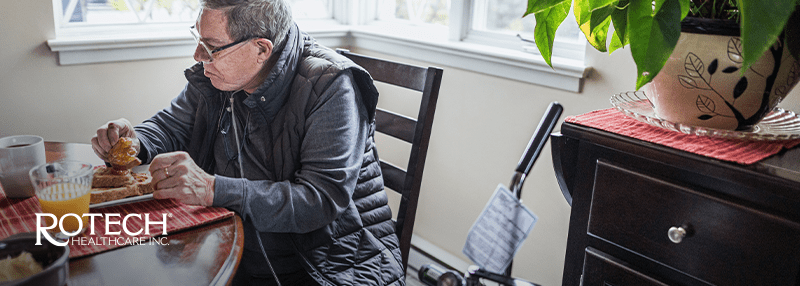

How to Stay Safe with Oxygen Around Friends, Food, and Travel

Using oxygen therapy doesn’t mean putting your life on pause. Whether you’re hosting guests, preparing meals, or heading out of town, it’s absolutely possible to stay safe and enjoy every moment, with just a little planning.

Oxygen itself isn’t flammable, but it can make fires burn faster and hotter. That’s why it’s important to take precautions around common everyday risks like candles, stovetops, and extension cords. With more people moving around the house or changes in your daily routine, the chance for accidents increases, but most of these risks are easy to avoid once you know what to look out for.

Here are some simple but powerful ways to stay safe with your oxygen therapy, no matter where life takes you.


Why Extra Safety Measures Matter with Oxygen Therapy

Even though oxygen isn’t a fire starter on its own, it dramatically increases how fast flames can spread. That’s why everyday situations like lighting candles or cooking on a gas stove need special attention when oxygen is nearby.

Some of the most common risk factors include:

  • Open flames (candles, fireplaces)
  • Overcrowded kitchens or busy cooking areas
  • Decorative lights and overused extension cords
  • More people and pets moving through the home
  • Changes in your daily routine, like travel or being in unfamiliar spaces

These situations can lead to accidents or even emergencies if your oxygen setup isn’t properly protected, but with the tips below, you’ll be set up for safety and peace of mind.


7 Oxygen Safety Tips for Daily Life, Visitors, and Travel

These tips are simple but powerful ways to keep your home, your guests, and your oxygen therapy safe all year long.

1. Be Candle Careful

Candles make add a cozy ambiance, but they’re risky with oxygen therapy. Even a small votive placed too close to your equipment can create a serious hazard.

Try this instead:

  • Use flameless LED candles for a cozy glow without the risk.
  • Try oil diffusers or wax warmers for scent instead of open flames.
  • Keep your oxygen tanks and tubing at least 6–10 feet away from any heat source.

2. Cook With Caution

The kitchen can be one of the most dangerous areas when using oxygen.

Tips for safe cooking while using oxygen:

  • Don’t wear your nasal cannula while standing or behind over a stove or open flame.
  • Use back burners when possible, and turn pot handles inward to avoid knocking anything over.
  • Ask someone to help with high-heat or multitask-heavy recipes.

3. Skip the Fire (or Keep Your Distance)

Fireplaces, fire pits, and grills are amazing, but dangerous near oxygen.

Make it safer:

  • Keep your oxygen equipment and tubing at least 6 feet away from the fireplace.
  • Use electric fireplaces or faux flame decor as a substitute.
  • Make sure tubing isn’t dangling near any hot surface or spark source.

4. Talk to Your Guests

It might feel awkward to say something about it, but a quick heads-up to visitors can go a long way in preventing accidents and keeping everyone safe.

Conversation tips include:

  • Let visitors know where your oxygen equipment is located. Some guests might not understand what it is even if they see it.
  • Kindly ask guests to not smoke or light candles inside.
  • Place a friendly sign near the entrances or oxygen zones as a reminder, especially if you’re hosting family or throwing a gathering.

5. Decorate Smart

Decor and cords are in nearly every area of your home, but they can become a trip or fire hazard around oxygen.

Here is what to watch for:

  • Keep blankets, curtains, or furniture covers away from equipment vents or tubing.
  • Don’t overload your electrical outlets, especially where oxygen concentrators or humidifiers are plugged in.
  • Keep all the walkways clear of rugs, cords, or clutter that could dangle with tubing.
  • Avoid plastic decor items (like faux plants, garland, or display pieces) near oxygen equipment, as many of these plastics are highly flammable and can ignite more easily in oxygen-rich environments.

6. Plan Ahead for Travel

Traveling with oxygen is absolutely doable; you just need to start preparing for it early.

Before your trip:

  • Contact your oxygen provider to arrange delivery or portable oxygen concentrators.
  • If you’re flying, ask your provider about documentation and airline requirements.
  • Pack smart:
    • Extra batteries and chargers
    • Backup tubing and nasal cannulas
    • Power adapters for your car, hotel, or destination

Rotech has locations across the country and can help coordinate oxygen support wherever you go.

7. Know Your Emergency Plan

From storms to delays, having a backup plan gives you peace of mind.

Emergency must-haves:

  • Know how long your backup oxygen tanks last and check the expiration dates.
  • Store tanks upright, in a ventilated space away from heat.
  • Keep emergency contact numbers (including Rotech’s) somewhere visible.

Need Help With Oxygen Supplies or Travel? We’re Here!

Whether you’re welcoming guests, heading out of town, or just want to double-check your setup, Rotech is here to support your oxygen needs. We make it easy to:

  • Order new oxygen supplies and accessories
  • Arrange travel equipment and portable oxygen concentrators
  • Coordinate delivery across the U.S.
  • Get answers to your oxygen safety questions

Reach out at least two weeks before your trip if you’ll need equipment setup at your destination.


Quick Recap

  • Avoid flames and heat sources near oxygen
  • Cook carefully and skip the cannula near the stove
  • Communicate with guests and caregivers about safety
  • Keep walkways and outlets clear of clutter
  • Plan ahead for travel and emergencies
  • Reach out to Rotech with questions or support needs

Your therapy should never hold you back from the people, places, or moments you care about.

The Benefits of Home Oxygen Therapy: A Comprehensive Overview for New Patients

Welcome to the world of home oxygen therapy! If you’re new to using oxygen therapy, it’s natural to have many questions. As a new patient navigating the world of oxygen concentrators and portable tanks, we’re here to provide you with the knowledge and support you need to confidently manage your therapy, ensuring you feel comfortable and empowered in managing your health at home.

What is Home Oxygen Therapy?

Home oxygen therapy involves the use of medical devices to provide supplemental oxygen to individuals who have difficulty breathing because of medical conditions like Chronic Obstructive Pulmonary Disease (COPD), emphysema, chronic bronchitis, or heart failure. It’s a crucial treatment to maintain adequate oxygen levels in your bloodstream, which is essential for your organs to function correctly. If you’re reading this, your doctor or health care provider has likely prescribed oxygen for home use.

Understanding Oxygen Concentrators

Oxygen concentrators are at the heart of home oxygen therapy. They provide a continuous, reliable source of oxygen by filtering and concentrating oxygen from the air in your environment. This advanced operation involves a series of filters and sieve beds that separate oxygen from other gases, delivering 90-95% pure oxygen to the user.

How Oxygen Concentrators Operate:

Air Intake: The concentrator pulls in ambient, or room, air and compresses it.

Filtration and Nitrogen Removal: It uses filters and sieves to clean the air and separate oxygen from nitrogen and other gases.

Oxygen Delivery: Concentrated oxygen is delivered to the patient through a nasal cannula or, occasionally, a mask.

If you’re using a home oxygen concentrator, following a few simple tips is essential to ensure it works well. First, place your oxygen concentrator in a spot with good airflow to help it run well. Keep it clean by regularly changing or cleaning the air filters, following the manufacturer’s guidelines. Finally, always use your nasal cannula correctly so you get the correct amount of oxygen. Following these tips will ensure you maximize your oxygen therapy’s benefits.

Oxygen Tanks for Portability: Freedom to Move

While oxygen concentrators are excellent for stationary use at home, oxygen tanks or cylinders play a crucial role in maintaining mobility and independence for people who need continuous oxygen use. These tanks are lightweight and portable, allowing you to continue your oxygen therapy while out and about. Whether going on a quick trip to the grocery store or a more extended excursion, having a portable oxygen solution ensures your therapy continues uninterrupted.

Oxygen tanks are designed with convenience in mind, making them an excellent choice for those needing supplemental oxygen on the go. Their lightweight design makes them easy to carry and handle. Depending on the cylinder’s size and the flow setting, they can provide oxygen for several hours, ensuring users have the support they need throughout the day. This combination of portability and extended duration of use makes portable oxygen cylinders a reliable option for managing respiratory conditions effectively while maintaining an active lifestyle.

Safety and proper preparation are essential when using portable oxygen cylinders to ensure a reliable and secure oxygen supply. At home, oxygen tanks should be secured in a stand or lying flat.  Always check the oxygen level before leaving home to make sure you have enough oxygen for your outing.  It’s also a good idea to prepare by carrying an extra cannula, your oxygen key, and ensuring you have your o-ring (or washer) for your tank so you’re ready for any situation. Safety is always paramount; securely store your oxygen tanks to prevent accidents. If you’re transporting oxygen in a car, tanks should be on the floorboard behind you, not in the trunk. Following these steps will help you manage your oxygen needs safely and effectively while on the move.

Adjusting to Oxygen Therapy at Home

Adapting to oxygen therapy involves understanding your prescribed regimen, whether it’s continuous or only during sleep. Low oxygen saturation affects your entire body, not just your lungs! With supplemental oxygen, your heart and body can use less effort to perform the same activities. We’ll guide you through creating a safe and comfortable space in your home and share tips for living actively and safely with oxygen therapy.

Some patients are prescribed oxygen for continuous use, and others only for night time use. Continuous oxygen therapy means using your oxygen concentrator throughout the day and night without interruption. This approach can be necessary for those with severe respiratory conditions, as it ensures a consistent supply of oxygen at all times. Some individuals may only require supplemental oxygen while sleeping, when natural breathing slows and oxygen levels might drop. This is known as night-time, or nocturnal use.

Your health care provider will determine the best regimen based on your specific health needs and oxygenation status, adjusting the flow rate and duration of oxygen delivery to suit your daily and nocturnal requirements. Whether you’re on continuous or night-time oxygen therapy, regular monitoring and following your prescribed regimen are the keys to managing your condition and improving your quality of life.

Creating a supportive home environment for oxygen therapy is essential for your safety and comfort. To ensure easy access to your equipment, arrange your living spaces to accommodate your oxygen setup, taking care to minimize fall risks from tubing. Safety is also critical. Don’t smoke, and keep your oxygen equipment at least 15 feet away from open flames, high temperatures, and flammable materials, as oxygen can greatly increase fire risk. These steps will help you create a safe and comfortable home setting.

Integrating oxygen therapy into your lifestyle can be straightforward with the right strategies, allowing you to maintain your daily activities. It’s crucial to use your oxygen therapy exactly as your health care provider prescribes to maximize its effectiveness.

 Portable oxygen solutions enable you to continue participating in your daily routines and exercise, supporting your overall well-being. By using oxygen therapy properly, you can continue to engage actively in life, enjoying your interests and activities as much as possible.

Embrace Life with Oxygen Therapy

Home oxygen therapy is a critical component of managing your respiratory health. Embrace this new aspect of your life with the assurance that you’re not alone. More than 1.5 million people in the United States use supplemental oxygen! Home oxygen therapy is a vital part of managing your health. With the right approach, you can integrate it into your daily life. Take it one breath at a time, and always prioritize your comfort and well-being.

Rotech Healthcare is here to support you every step of the way, helping you improve your life at home. If you have questions or need assistance, reach out to your local Rotech office for personalized support.

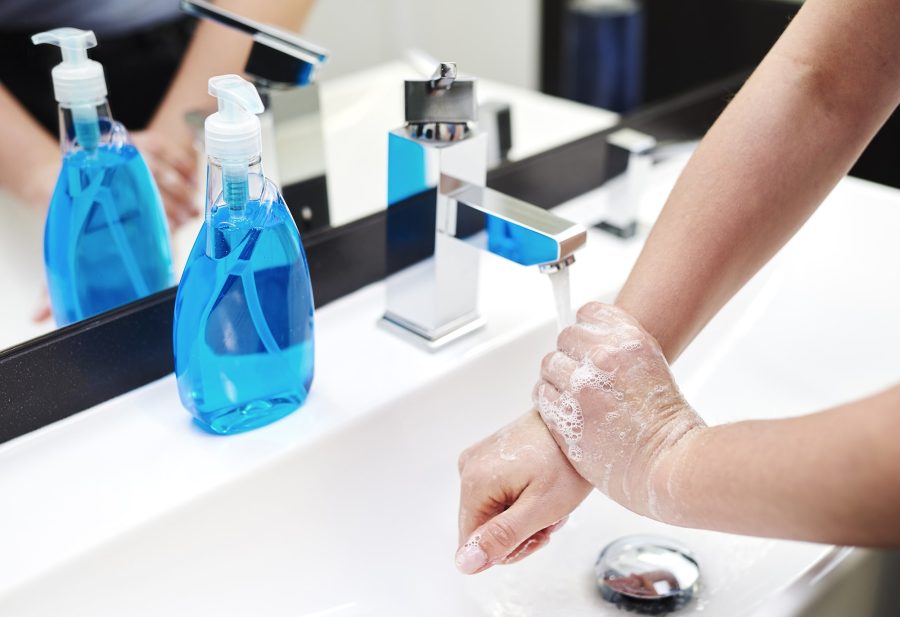
Handwashing: The Simplest Step to Better Health

What’s both incredibly simple and astonishingly powerful? Handwashing! The first full week of December is National Handwashing Awareness Week.  We’re here to dive into why this everyday activity is a game changer, especially for those of us managing chronic wounds or conditions like COPD and diabetes.

Why Handwashing is a Big Deal

You might be thinking, “It’s just handwashing, why does it matter?” It does! Handwashing is like your personal health guardian. It’s your frontline defense against germs that can lead to infections and other health complications.

For those with conditions like COPD or diabetes, your skin can be more vulnerable and your body may have a tougher time healing. This means that preventing infections through something as simple as regular handwashing can be a crucial part of managing your condition. It’s not just about cleanliness; it’s about maintaining your health stability. Each time you wash your hands, think of it as a positive, proactive step towards staying healthy and avoiding unnecessary complications.

In a world where health can be complex and challenging, handwashing is a straightforward, effective tool that everyone can use. It empowers you to take control of your health in a very real, tangible way.

The Science of Suds

When you have chronic conditions like COPD or diabetes, your immune system might be working overtime. This makes you more susceptible to infections. Germs are sneaky little things. They hitch a ride on our hands from everything we touch – door handles, medical equipment, even our phones (yep, they’re germ hotspots!). Washing your hands properly sends these germs down the drain, literally.

Washing Your Hands Like a Pro

Here’s the step-by-step to effective handwashing:

  • Wet your hands with clean, running water. Warm or cold? According to the CDC, both are equally effective!
  • Lather up with soap. Don’t forget the backs of your hands, between your fingers, and under those nails. Soap and friction help lift the dirt, grease, and microbes from your skin so they can be rinsed away.
  • Scrub for at least 20 seconds. Studies show that washing hands for 15-30 seconds removes more germs than washing for a shorter amount of time.
  • Rinse well under clean, running water.
  • Dry your hands using a clean towel or air dry them.

Hand Sanitizer: The On-the-Go Option

Can’t get to a sink? Hand sanitizer is your next best friend, as long as your hands aren’t visibly dirty or greasy. Just make sure it contains at least 60% alcohol. Rub it all over your hands until they’re dry, and voilà!

Integrating Handwashing into Your Routine

For home medical patients, integrating handwashing into your daily routine is vital. Before and after using any medical equipment, make it a habit. Washing hands before checking your blood sugar, putting on your CPAP mask, or handling your oxygen concentrator can prevent infections and keep your equipment in top shape.

In the grand scheme of things, handwashing is a small act, but it holds immense power in protecting your health. This National Handwashing Awareness Week, commit to keeping those hands clean. This simple step makes a world of difference in managing your health with confidence and ease!

Summer Strategies for COPD Patients: Maximizing Fun and Minimizing Exacerbations

The sun is out, the weather is warm, and it’s time to get outdoors to enjoy the sunshine and fresh air. However, the summer months can present unique challenges for individuals with chronic lung diseases like Chronic Obstructive Pulmonary Disease (COPD). Coping with the heat, humidity, and potential triggers can be overwhelming. Still, with proper planning, you can make the most of the season while prioritizing your respiratory health. Here are nine tips to help you have a safe, healthy, and fun summer.

Stay Hydrated:

Hot weather can lead to dehydration. When your body is dehydrated, your airways become dry and inflamed, and your body can create more mucus, putting you at risk for an exacerbation. Make it a habit to drink plenty of fluids throughout the day, preferably water, to keep your body well-hydrated. Limit or avoid beverages containing caffeine or alcohol, which can contribute to dehydration.

Plan Outdoor Activities Wisely:

Enjoying the outdoors is one of the best parts of summer. Plan your activities during the cooler parts of the day, typically early morning or evening. Avoid going out during the hottest hours, usually between 10 a.m. and 4 p.m., when high temperatures and increased pollution levels can strain your lungs. Try to find shaded areas or carry an umbrella to shield yourself from direct sunlight.

Dress Appropriately:

Choose lightweight, loose-fitting clothing made from breathable fabrics like cotton or linen. These materials allow air circulation, preventing excessive perspiration and discomfort. Additionally, wear a wide-brimmed hat and sunglasses to protect yourself from harmful UV rays.

Manage Indoor Environments:

Ensure your indoor environment is comfortable and conducive to easy breathing. Keep your living space well-ventilated, use air conditioning or fans to maintain a cool temperature, and consider using air purifiers to minimize indoor pollutants. Avoid exposure to strong chemical odors or irritants, such as paint or cleaning products, which can trigger respiratory symptoms.

Stay Informed about Air Quality:

Keep track of the air quality index (AQI) in your area, as high pollution levels can worsen COPD symptoms. Several smartphone applications and websites provide real-time air quality information. If the AQI is poor, consider adjusting your plans or staying indoors to reduce exposure.

Carry Medications and Emergency Contacts:

Always carry your prescribed medications with you, including inhalers and any additional medications recommended by your healthcare provider. Ensure you have an emergency contact list, including your healthcare professional’s phone number, the number of your local Rotech office, and local emergency services.

Seek Shade and Take Breaks:

During outdoor activities, take regular breaks to rest and seek shade. Overexertion and excessive heat can strain your respiratory system. Listen to your body and pace yourself accordingly!

Avoid Smoke and Other Triggers:

Smoke, including smoke from grills, barbecues, or fireworks, can worsen COPD symptoms. Stay away from areas where smoking is permitted, and avoid exposure to secondhand smoke. Similarly, be cautious around strong fragrances, chemicals, and other known triggers that can irritate your lungs.

Prioritize Self-Care:

Self-care isn’t selfish, it’s allowing you to be the best version of yourself! Prioritize self-care to maintain your overall well-being. Get adequate rest, eat a healthy diet, and find things you enjoy that promote relaxation and reduce stress.

COPD: Strategies for a Happy Holiday

How do you have happy holidays when you’re dealing with COPD? For many people with COPD or other chronic lung diseases, it can seem difficult to make things merry during this time of year. Research shows that COPD exacerbations tend to increase during the holiday season1. We’ll go over some important COPD holiday strategies to help make sure your holidays are happy and healthy.

Take Care of Yourself

If you use supplemental oxygen or take medications, make sure you have an adequate supply. Remember that holiday closures and inclement weather may make getting additional tanks of oxygen or a trip to the pharmacy challenging, and travel plans can unexpectedly change. Plan ahead if you can!

Wash your hands frequently: before and after eating, when using the restroom, and when touching high-contact surfaces like door handles. Talk to your physician and make sure you’re up-to-date on any doctor-recommended vaccinations, including your flu shot!

Dress for the weather

Cold weather and COPD aren’t a good mix. Extremely cold temperatures can narrow airways, leading to a cascade of events that might increase difficulty breathing, mucus production, coughing, and more2. If outdoor activities are a must, schedule them for warmer times of the day. Continue to monitor air quality before you head outside. While family members may vacation during the holidays, air pollution doesn’t.

Wearing a scarf or mask on your face can help warm up air before you breathe it into your lungs. Stay warm, dress for the weather, and don’t spend time outside if temperatures are low.

Enjoy, but don’t overindulge

Turkey, ham, prime rib, and all those side dishes, beloved holiday desserts and cookies! While an occasional treat or indulgence is fine, eating mostly healthy foods in small portions will help keep your body healthy and happy. Avoid gas-producing foods that might contribute to a bloated feeling and make breathing uncomfortable. If your COPD makes it hard to eat a full meal, dine slowly; take small bites and chew your food thoroughly. Eat more frequent, smaller meals instead of two or three large ones during the day.

If you’ve been prescribed continuous oxygen therapy, make sure you wear your cannula while eating. Eating and digestion both require energy, and your body needs oxygen for that!

Get enough rest

It’s tempting to stay up later than normal or push yourself to attend just one more gathering, but not getting enough sleep or allowing yourself to overdo it can leave you run down and even more susceptible to illness or exacerbations. Make sure you’re getting enough rest, and if you feel fatigued or overwhelmed, don’t be afraid to leave an activity or event.

Watch for exacerbation triggers

From baking gingerbread to newly cut Christmas trees, or maybe the freshly-bleached scent of a well-scrubbed house, the holidays bring with them a lot of scents. Even when they’re pleasant, scents can make you cough, wheeze, have more shortness of breath than usual, and increase COPD exacerbations. Know how strong scents affect you, and have a plan to deal with them if necessary.

Wood smoke from stoves and fireplaces can also cause you to cough and have trouble breathing. Burning wrapping paper can release toxic chemicals into the air. If you want a fire lit for some atmosphere, an alternative might be an electronic fireplace, a display of unscented candles, or maybe even a yule log video on television.

Having Happy Holidays with COPD

While living with COPD may require you to make some changes to your holidays, staying healthy and continuing to manage your condition is worth it so there are many more holiday seasons to come! Use these simple strategies to maximize your lung health, make new memories and enjoy the holiday season!

[1]: Johnston NW, McIvor A, Lambert K, et al. The Christmas season as a risk factor for chronic obstructive pulmonary disease exacerbations. Can Respir J. 2010;17(6):275-281. doi:10.1155/2010/460532

[2] D’Amato, M., Molino, A., Calabrese, G. et al. The impact of cold on the respiratory tract and its consequences to respiratory health. Clin Transl Allergy 8, 20 (2018). https://doi.org/10.1186/s13601-018-0208-9

For billing questions or insurance updates, click the NEW chat icon in the lower right — we’re here to help!