

Rotech Healthcare

Blog posts from March 2026

New to CPAP or BiPAP? How Rotech Helps You Get Started (And Stay on Track)

Getting diagnosed with sleep apnea can feel like a lot to process, especially when you’re handed a prescription for a CPAP or BiPAP machine and sent home to figure it out.

The questions start piling up fast:

  • “How am I supposed to sleep with a mask on my face?”
  • “What if I can’t get comfortable or I pull it off in my sleep?”
  • “Who helps me with insurance? Equipment? Follow-ups?”

These concerns are completely valid. For many patients, sleep therapy can feel overwhelming when follow‑up and education aren’t built into the process from the start.

At Rotech Healthcare, we approach things differently. Our goal isn’t just to deliver a machine. It’s to help you actually use it, get comfortable with it, and see the results that made your doctor prescribe it in the first place.

Through our Sleep Central education hub and SleepWELL™ compliance program, we work with thousands of patients across the country to simplify everything from referrals and insurance to mask fitting and long-term therapy support.


Why Starting CPAP or BiPAP Therapy Feels So Overwhelming

Let’s acknowledge the obvious: strapping a mask to your face and trying to sleep isn’t intuitive. Most people struggle at first, and that’s completely normal.

But beyond the physical adjustment, new patients often face a maze of logistical challenges:

  • Insurance and billing confusion. What’s covered? What isn’t? How do compliance requirements work?
  • Equipment decisions without guidance. There are dozens of mask styles and machine options. Without proper fitting, patients end up with equipment that leaks, pinches, or feels unbearable.
  • Lack of follow-up. Many suppliers treat CPAP like a one-time transaction. Once the box arrives, you’re on your own, googling troubleshooting tips at 2 a.m. when something goes wrong.
  • Unclear expectations. How long until therapy feels normal? What should you do if it’s not working? Who do you call?

This is exactly why so many people abandon CPAP therapy within the first few months. Studies consistently show that early support, real support, not just a phone number on a receipt, makes the difference between patients who stick with therapy and those who give up.
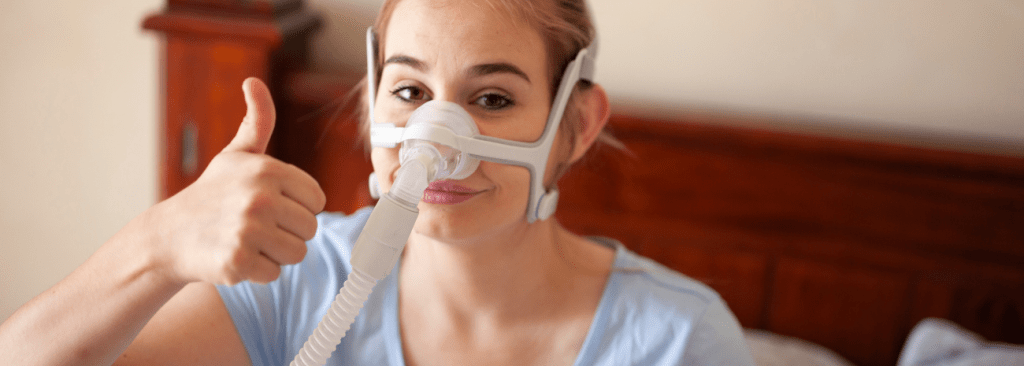

Woman sitting up in bed with a CPAP mask on giving a thumbs up and smiling

How Rotech Simplifies the Experience from Day One

Rotech isn’t a supplier that drops off a box and wishes you luck. We function as an extension of your care team, coordinating with your doctor, walking you through the process, and staying involved as you adjust to therapy.

Referrals and Coordination Without the Runaround

When your doctor refers you to Rotech, we take it from there. We handle coordination with your physician, communicate directly with you about next steps, and answer questions as they come up. No waiting for callbacks. No wondering what happens next.

We also provide patient and caregiver education materials designed to actually help, not generic pamphlets, but practical resources that address the specific concerns people have when starting sleep therapy.

Equipment Setup That Fits Your Life

CPAP and BiPAP aren’t one-size-fits-all. A machine that works perfectly for one patient might be completely wrong for another. Your face shape, sleep position, breathing patterns, and comfort preferences all matter.

Our setup process includes:

  • Machine selection based on your prescription and the features you need
  • Individualized mask fitting to minimize leaks and maximize comfort
  • Headgear adjustment so nothing pinches, pulls, or slides off overnight
  • Comfort accessory consultation for issues like dry mouth, nasal congestion, or skin irritation

This can happen virtually or in person at one of Rotech’s clinic locations — whatever works best for you.


Sleep Central: Your Hub for CPAP and BiPAP Success

Sleep Central is Rotech’s dedicated support hub for sleep therapy patients. Instead of hunting through random websites or hoping your insurance company can answer a technical question, you have one reliable resource for everything CPAP and BiPAP.

What’s available through Sleep Central:

  • Step-by-step equipment guides for setup and daily use
  • Information on different mask types and how to find the right fit
  • Cleaning and maintenance instructions to keep equipment working properly
  • Answers to the most common therapy questions

Whether you’re learning to use your machine for the first time or troubleshooting an issue six months in, Sleep Central gives you clear, practical information without the runaround.

And when you need a person, not a webpage: Sleep Central connects you with trained sleep therapy specialists by phone or online chat. Mask uncomfortable? Therapy not feeling right? Questions about your pressure settings? You can talk to someone who actually knows what they’re doing, and who will help you find a solution.
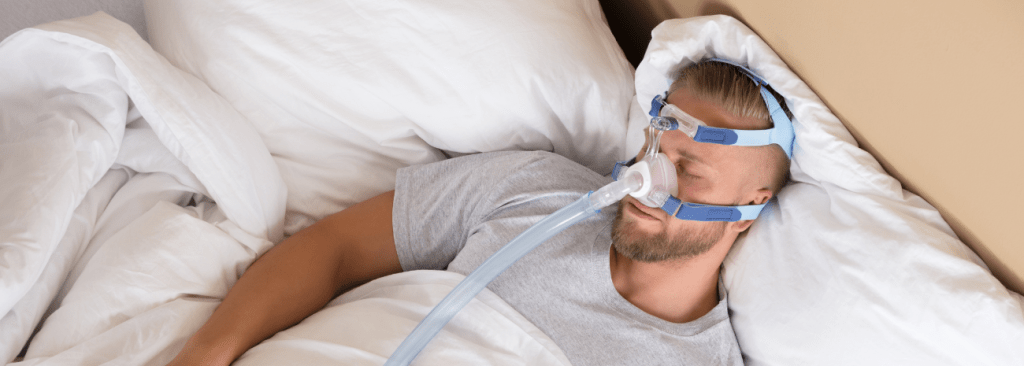

Man sleeping in bed with a CPAP mask on his face

SleepWELL™: Real Support During the Hardest Part

The first 90 days of CPAP or BiPAP therapy are make-or-break.

This is when you’re building new habits, adjusting to sleeping with a mask, and meeting the compliance requirements your insurance company sets. It’s also when most people quit, not because the therapy doesn’t work, but because they hit a wall and don’t have anyone to help them through it.

The SleepWELL™ program exists specifically to support you during this period.

What SleepWELL™ Provides

  • Regular check-ins from CPAP specialists — Proactive outreach, not just reactive support when you call with a problem
  • Therapy monitoring — Tracking your usage and effectiveness so issues get caught early
  • Early troubleshooting — Addressing comfort concerns, leaks, or equipment problems before they derail your progress
  • Compliance guidance — Helping you understand and meet insurance requirements within the 90-day window
  • Encouragement when you need it — Starting sleep therapy is hard. Having someone in your corner makes it easier.

Think of SleepWELL as your safety net during the adjustment period. Someone is paying attention. Someone is checking in. And someone will help you course-correct before small problems become reasons to give up.


Better Sleep Starts With Better Support

CPAP and BiPAP therapy can genuinely transform your health and bring you better sleep, more energy, reduced health risks, improved quality of life. But only if you stick with it long enough to see results.

Through Sleep Central and SleepWELL, Rotech provides the education, resources, and hands-on support that turn a medical device into a therapy that actually works for your life.

From your first questions about equipment to your 90-day compliance milestone and beyond, we’re here to help, not just as a supplier, but as a partner in your sleep health.

Ready to get started? Contact Rotech Healthcare or visit Sleep Central to learn more about CPAP and BiPAP support.
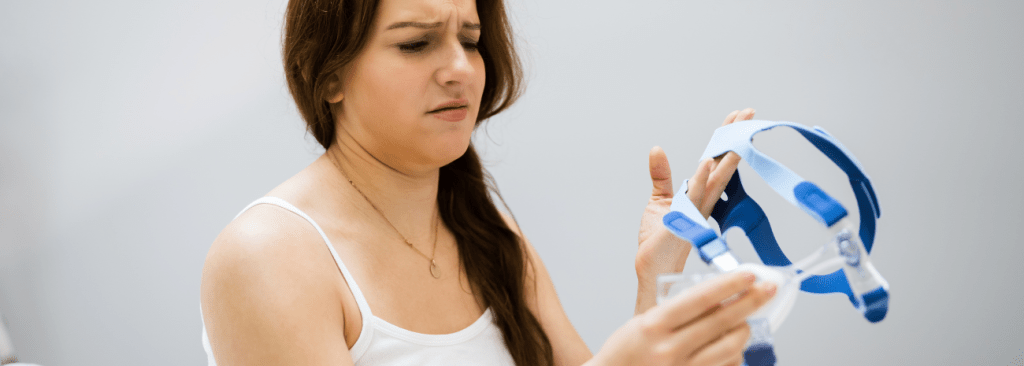

Woman holding up CPAP mask with confused look on her face

Frequently Asked Questions About CPAP and BiPAP Therapy

How long does it take to get used to CPAP or BiPAP?

Most people need 2-4 weeks to adjust to sleeping with a mask, though some adapt faster and others take longer. The key is consistent use, even on difficult nights, combined with proper mask fit and support. Patients who get help troubleshooting early issues tend to adapt more successfully than those trying to figure it out alone.

What if I can’t tolerate my CPAP mask?

Mask discomfort is one of the most common reasons people struggle with therapy, and it’s almost always fixable. The problem is usually fit, not the therapy itself. Rotech offers individualized mask fittings to find options that work for your face shape, sleep position, and breathing patterns. If one mask isn’t working, there are dozens of alternatives to try.

Does insurance cover CPAP and BiPAP equipment?

Most insurance plans, including Medicare, cover CPAP and BiPAP equipment for patients with a sleep apnea diagnosis. However, insurance often requires compliance documentation — proof that you’re using the machine regularly during the first 90 days. Rotech helps patients understand their coverage and navigate compliance requirements.

What happens if I don’t meet CPAP compliance requirements?

Insurance companies typically require patients to use CPAP for at least 4 hours per night for 70% of nights during the first 90 days to demonstrate medical necessity. If you don’t meet this threshold, your insurer may not cover the equipment long-term. The SleepWELL program helps patients track usage and troubleshoot problems early to stay on track with compliance.

Can I get help with CPAP if I have questions after setup?

Yes. Sleep Central provides ongoing support, not just at setup. You can access educational resources anytime, and trained sleep therapy specialists are available by phone or online chat to help with questions, troubleshooting, or concerns that come up weeks or months into therapy.

What’s the difference between CPAP and BiPAP?

CPAP (Continuous Positive Airway Pressure) delivers a single constant pressure throughout the night. BiPAP (Bilevel Positive Airway Pressure) delivers two pressure levels, higher when you inhale, lower when you exhale. BiPAP is often prescribed for patients who need higher pressures or have difficulty exhaling against constant pressure. Your doctor will prescribe the appropriate therapy based on your diagnosis and needs.

Why do so many people quit CPAP therapy?

Most people who quit do so within the first few months, usually because of mask discomfort, pressure adjustment issues, or feeling like they’re struggling without support. Early intervention and ongoing support significantly improve long-term adherence. That’s exactly why programs like SleepWELL exist: to help patients get through the adjustment period and experience the benefits of consistent therapy.


CPAP Adherence Rates Haven’t Improved Much. SleepWELL™ Addresses Why.

CPAP therapy remains the gold standard for treating obstructive sleep apnea (OSA). Prescribing it is straightforward. Getting patients to use it consistently, night after night, month after month, is an entirely different problem.

Most clinicians already know this. Non-adherence rates have remained stubbornly high for decades, even as devices have become quieter, smaller, and more comfortable. The 90-day compliance window required by payers creates urgency, but it doesn’t account for the behavioral realities of habit formation, the impact of early negative experiences, or the social determinants that shape whether someone actually uses their equipment.

The gap between “device delivered” and “therapy established” is where outcomes fall apart.

Rotech Healthcare’s SleepWELL™ Program was designed to close that gap — functioning as an extension of clinical care teams with structured monitoring, proactive outreach, and the kind of early-phase support that research consistently links to improved long-term adherence.


The Adherence Problem Isn’t About Devices Anymore

If better equipment solved the adherence problem, we’d have solved it by now. Modern CPAP machines are dramatically improved from a decade ago, with auto-adjusting pressures, integrated humidification, quieter motors, and sleeker profiles. Yet adherence rates have barely budged.

The issue is behavioral, not mechanical.

Clinicians are asking patients to adopt a new nightly routine involving unfamiliar equipment, physical discomfort, and a learning curve, all within a compressed timeline that determines insurance coverage. That’s a significant behavioral ask, and even minor friction points (mask discomfort, dry mouth, pressure intolerance) are enough to derail the process entirely.

Two factors compound the challenge:

The 90-day cliff. Payer compliance requirements create a high-stakes window where failure has lasting consequences. Patients who miss the threshold often lose coverage, which makes subsequent adherence even harder to achieve.

Clinical bandwidth limitations. Most care teams don’t have capacity for the kind of proactive, high-frequency outreach that early-phase PAP therapy requires. By the time a patient calls with a problem, if they call at all, the pattern of non-use may already be established.

Patients don’t just need equipment. They need a support structure that catches problems early, reinforces positive behavior, and keeps therapy on track during the critical adaptation period.


Healthcare professional in white coat instructing how to put CPAP mask on mannequin head to patient

How SleepWELL™ Serves as an Extension of Your Care Team

SleepWELL™ operates on a straightforward premise: patients do better when therapy is actively managed, especially during the first 90 days when drop-off risk peaks. 

The program addresses common failure points through a combination of monitoring, outreach, and clinical-grade support, an approach aligned with what adherence research consistently identifies as effective.

1. Monitoring That Enables Intervention

SleepWELL™ tracks usage data and generates compliance reports that include metrics like usage time, mask leak rates, and estimated AHI. This isn’t passive data collection, rather it’s designed to support a “manage by exception” model where concerning patterns trigger follow-up before they become therapy abandonment.

Remote monitoring frameworks are specifically cited in the literature as opportunities to improve real-world adherence, particularly when paired with behavioral support rather than surveillance alone.

2. Early-Phase Outreach When It Matters Most

One of the most consistent findings in adherence research: early experience shapes long-term behavior. Patients who struggle in the first few weeks are far more likely to abandon therapy entirely.

SleepWELL™ emphasizes proactive patient contact during the initial 90-day period, supported by real-time compliance measurement. This aligns with evidence showing that coaching and telemonitoring programs improve adherence, and that longer-duration support sustains improvements more effectively than brief interventions.

The goal is to catch small problems (mask fit issues, pressure discomfort, usage gaps) before they calcify into reasons to quit.

3. Clinical-Grade Support for a Complex Therapy

PAP adherence barriers are rarely one-dimensional. Patients often need both technical troubleshooting (equipment adjustments, interface changes) and motivational reinforcement (encouragement, problem-solving, realistic expectations) to persist through the adjustment period.

SleepWELL™ provides access to trained CPAP specialists and respiratory therapists, not just customer service representatives, who can address the clinical nuances of PAP therapy. That distinction matters when the conversation moves beyond “how do I turn this on” to “why does this feel wrong and should I keep trying.”

4. Resupply and Ongoing Follow-Up

PAP therapy isn’t a one-time setup. Mask cushions degrade, filters need replacement, fit changes over time, and life circumstances shift. Without ongoing attention, even initially adherent patients can drift into non-use.

SleepWELL™ includes structured resupply and continued follow-up designed to maintain compliance and support infection control, keeping therapy functional over the long term, not just through the initial compliance window.


What the Evidence Actually Supports

The adherence literature points consistently toward several principles:

  • Early intervention matters. Patients who receive intensive support in the first weeks of therapy show better long-term adherence than those who receive standard care.1
  • Monitoring alone isn’t enough. Data collection without response doesn’t move the needle. The value is in actionable monitoring — identifying problems and intervening promptly.
  • Behavioral support complements technical support. Adherence is a behavior change challenge, not just an equipment challenge. Programs that address motivation, troubleshooting, and reinforcement outperform those focused solely on device delivery.
  • Sustained support outperforms brief interventions. Short-term coaching programs produce short-term improvements. Durable adherence requires durable support structures.

SleepWELL™ was designed with these principles in mind, not as an equipment delivery service, but as a managed program that bridges the gap between prescription and sustained use.


Man sitting on bed stretching his arms with a CPAP mask on his face

A Practical Consideration for Referral Partners

For clinicians and care teams managing sleep apnea populations, the question isn’t whether adherence matters — it obviously does. The question is whether your current model addresses the behavioral and operational barriers that drive non-adherence.

If your patients are receiving equipment without structured follow-up, without proactive monitoring, without early-phase intervention, then the adherence gap is built into the process.

SleepWELL™ offers an alternative: a program designed to support patients through the highest-risk period, generate compliance data your team can act on, and function as a genuine extension of clinical care rather than a transactional equipment handoff.

To learn more about SleepWELL™ and how it supports PAP therapy outcomes, contact Rotech Healthcare.


Frequently Asked Questions: CPAP Adherence and SleepWELL™

What is considered CPAP adherence or compliance?

The most commonly used definition, particularly for insurance purposes, is the CMS standard: using CPAP for at least 4 hours per night on 70% of nights during the first 90 days of therapy. However, clinical benefit typically requires more consistent use; many guidelines recommend 6+ hours nightly for optimal outcomes. SleepWELL™ tracks usage data and supports patients in meeting both payer requirements and clinical goals.

Why do so many patients stop using CPAP?

Non-adherence is multifactorial. Common reasons include mask discomfort, pressure intolerance, nasal congestion or dryness, difficulty adjusting to the sensation of positive airway pressure, and lack of perceived benefit in the early weeks. The 90-day compliance window compounds these challenges by creating a high-stakes timeline that doesn’t align well with typical behavior change patterns.

Does remote monitoring improve CPAP adherence?

Evidence suggests that remote monitoring can improve adherence, but primarily when combined with active intervention rather than passive data collection. Programs that use monitoring data to trigger outreach and troubleshooting show better outcomes than those that simply track usage without response. SleepWELL™ is designed around this “monitor and respond” model.

What makes early-phase support so important for PAP therapy?

Research consistently shows that early experience with CPAP predicts long-term adherence.1 Patients who struggle in the first few weeks are significantly more likely to abandon therapy. Early-phase support, such as proactive check-ins, rapid troubleshooting, motivational reinforcement, addresses problems before they become entrenched patterns of non-use.

How does SleepWELL™ differ from standard equipment delivery?

Standard delivery models focus on getting devices to patients. SleepWELL™ is a managed program that includes proactive monitoring, compliance reporting, early-phase outreach, access to trained CPAP specialists and respiratory therapists, and ongoing resupply coordination. The program functions as an extension of clinical care teams rather than a transactional supplier relationship.

Can SleepWELL™ generate compliance reports for clinical teams?

Yes. SleepWELL™ provides compliance reports with metrics including usage time, mask leak data, and estimated AHI. These reports can support clinical decision-making and documentation requirements.

What types of patients benefit most from structured adherence support?

While all PAP patients benefit from support, structured programs like SleepWELL™ may be particularly valuable for patients with limited health literacy, those with complex comorbidities, patients without strong caregiver support, and those who express ambivalence or anxiety about starting therapy. These populations face higher drop-off risk and often benefit most from proactive intervention.

References

  1. Dielesen, J., Ledwaba-Chapman, L. J., Kasetti, P., Husain, N. F., Skinner, T. C., Pengo, M. F., Whiteman, T., Asimakopoulou, K., Merritt, S., Jones, D., Dickel, P., Pulakal, S., Ward, N. R., Pepperell, J., Steier, J., & Sathyapala, S. A. (2025). Six early CPAP-usage behavioural patterns determine peak CPAP adherence and permit tailored intervention, in patients with obstructive sleep apnoea. Thorax, 80(5), thorax-2024-221763. https://doi.org/10.1136/thorax-2024-221763

For billing questions or insurance updates, click the NEW chat icon in the lower right — we’re here to help!