

Bringing a loved one home on a ventilator is one of the biggest transitions a family can face. There’s new equipment to learn. New routines to build. New worries that keep you up at night. And through it all, there’s the quiet pressure of wanting to get everything right, because when someone you love depends on a machine to breathe, the stakes feel impossibly high.
Home ventilator support can be safe, manageable, and even life-enhancing—when caregivers have the right training, a solid plan for daily care and emergencies, and a support system that goes well beyond equipment delivery.
At Rotech Healthcare, we’ve walked alongside thousands of families making this transition. We know the fears, the questions, and the moments when it all feels overwhelming. We also know what works.
This guide is designed for your real life. We’ll cover what to expect, how to prepare, and how to build the kind of support system that makes home ventilator care sustainable for you and safe for your loved one.
Why Home Mechanical Ventilation Can Be a Great Option
Home care offers something hospitals can’t: the comfort and familiarity of your own environment. Your loved one sleeps in their own bed, surrounded by family, in a space that feels like theirs. Research consistently shows that stable individuals using ventilators at home often experience improved quality of life compared to extended hospital stays.
But home ventilator support is not a “set it and forget it” situation. Successful home care depends on proper training, consistent monitoring, equipment readiness, and knowing exactly what to do when an alarm sounds.
This is where the partnership between caregivers and a full-service provider makes all the difference. You bring the love and dedication. We bring the clinical expertise, 24/7 support, and ongoing education that help you feel confident every day.
Preparing for the Transition From Hospital to Home
The transition from hospital to home is often the most stressful part of the entire process. Good preparation makes everything easier.
Caregiver Training: The Skills You Should Leave the Hospital With
Before your loved one is discharged, your healthcare team should teach you how to:
- Operate and maintain the ventilator — including settings, basic functions, and routine care
- Recognize serious problems — and know when to call your clinical team versus when to call 911
- Manage airway clearance — which often includes suctioning and humidification, depending on your loved one’s needs
A strong discharge process typically includes supervised practice, sometimes even an overnight “trial run” where you perform all care tasks while clinical staff observe and support you. If this isn’t offered, ask for it. The confidence you gain is worth the extra time.
Caregiver Tip: Create a “home ventilator care” reference binder. Include your care plan, equipment settings summary, supply checklist, and all important phone numbers. Keep it somewhere easy to grab — digital backup is great, but paper works when your phone is dead and the power is out. This binder becomes your calm in the chaos.
Home Readiness: Set Up Your Space Before Equipment Arrives
Your home needs to be ready before the ventilator arrives. Here’s what to prepare:
| Preparation area | What to do |
|---|---|
| Dedicated space | Create a clean, uncluttered area with room for the ventilator, supplies, and caregiver access |
| Electrical setup | Ensure reliable electrical access with surge protection and safe cable routing away from walkways |
| Backup power | Have a plan for battery backup, portable generator, or evacuation during outages |
| Emergency access | Confirm that emergency responders can easily reach your home and the patient’s room |
| Supply storage | Designate an organized area for tubing, filters, suction supplies, and other consumables |
Taking time to set up properly before your loved one arrives home reduces stress and helps you start strong.
Build a Continuity of Care Map
When multiple clinicians and caregivers are involved, keeping everyone on the same page is essential. Create a one-page “care map” that includes:
- Prescribing physician and pulmonary/respiratory contacts
- Home health nursing (if applicable)
- Your ventilator therapy provider’s clinical support line (like Rotech’s 24/7 support)
- Emergency contacts — local hospital, 911, and backup family members
- Patient baselines — typical oxygen levels, normal secretion patterns, preferred comfort positions, and any warning signs specific to your loved one
Post this somewhere visible. Share it with anyone who provides care. Update it whenever something changes.

Getting Into a Daily Rhythm at Home
Once you’re home, establishing a consistent daily routine helps you catch problems early and keeps care manageable. Here’s what Rotech recommends:
Start of Day
- Confirm all equipment is running properly
- Verify connections between the ventilator, tubing, and patient interface
- Check power source and battery status
- Ensure all alarms are enabled and functioning
Throughout the Day
- Watch for changes in breathing effort, comfort, skin color, or alertness
- Monitor oxygen readings if prescribed
- Note any changes in secretions or suction needs
- Keep the area around the ventilator clean and uncluttered
End of Day
- Restock supplies near the bedside
- Wipe down equipment surfaces as directed
- Set up an “overnight-ready station” with a flashlight, spare tubing, charged batteries, and phone numbers within reach
Caregiver Tip: Keep a simple daily log. Track oxygen readings (if monitoring is prescribed), any symptoms or changes, suction frequency, unusual alarms, and what helped resolve them. You don’t need to write a novel, just enough to see patterns and share useful information with your clinical team.
Infection Prevention: The Habits That Matter Most
Ventilator patients can be more vulnerable to respiratory infections. Your daily habits make a real difference in keeping your loved one healthy.
The habits that protect your loved one:
- Wash your hands before handling circuits, masks, and airway supplies — every time. Hand sanitizer works when soap and water aren’t available.
- Follow the prescribed schedule for cleaning, disinfecting, and replacing supplies like tubing, filters, and humidifier chambers.
- Maintain a clean environment around the ventilator setup. Dust, pet hair, and clutter can all affect air quality and equipment function.
- Monitor for early signs of infection — fever, increased secretions, changes in secretion color, or unusual fatigue. Report these to your clinical team promptly.
Infection prevention is all about these consistent, simple habits repeated every day.
Communicating With Your Loved One
Many conditions that require ventilation can make speaking difficult or impossible. This can be frustrating and isolating for your loved one, and for you. Having a communication system in place reduces anxiety and helps you understand their needs.
Simple approaches that work:
- Yes/no questions with a clear hand signal, eye blink, or squeeze
- A whiteboard or notepad for patients who can write
- A communication board with pictures representing common needs: pain, water, reposition, suction, temperature adjustment, blanket
- A “needs list” posted near the bed with images your loved one can point to
Even when verbal conversation isn’t possible, your presence matters. Talking to your loved one, reading aloud, or playing their favorite music provides emotional connection that goes beyond words.
Understanding and Responding to Alarms
Ventilator alarms can be startling, especially when you’re new to home care. But alarms are safety features designed to alert you to potential issues before they become emergencies.
The key to handling alarms is preparation: know your steps before the alarm sounds.
Common Ventilator Alarms and What They Mean
| Alarm Type | Possible Causes | What to Check |
|---|---|---|
| High pressure | Coughing, mucus buildup, kinked tubing, patient biting tube | Suction if needed, check tubing, ensure comfortable positioning |
| Low pressure / disconnect | Loose connection, mask leak, tubing disconnection | Check all connections, adjust mask fit, inspect tubing |
| Low minute ventilation | Shallow breathing, airway obstruction, patient fatigue | Assess patient, check for obstructions, contact clinical team if persistent |
| Power / battery | Power outage, low battery, unplugged unit | Connect to power source, check backup battery status |
Important: If you’re unsure why an alarm is happening or how to respond safely, call your ventilator therapy provider’s support line or your clinical team immediately. Never ignore a persistent alarm.
Emergency Readiness: Plan Before You Need It
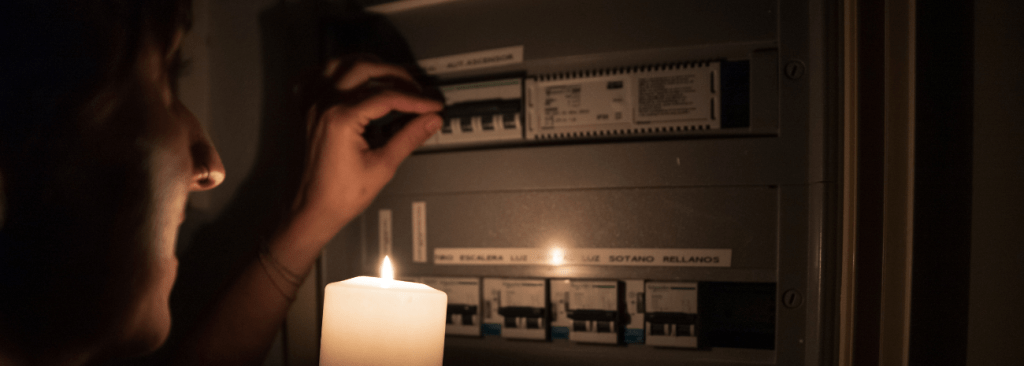
Power outages, equipment malfunctions, and medical emergencies can happen. Having a clear plan in place helps you respond quickly and calmly.
Emergency Essentials to Keep Within Reach
- Backup batteries and chargers — know exactly how long they last at your current settings
- Manual resuscitation bag (Ambu bag) — and make sure every caregiver knows how to use it
- Backup oxygen source if oxygen is prescribed
- Your provider’s 24/7 clinical support number (Rotech patients have access to round-the-clock support)
- Clear written instructions for when to call your clinical team versus when to call 911
- A power outage plan — including whether to shelter in place or transport to a facility with power
Notify Your Utility Company
Contact your local electric company to register as a household with life-sustaining medical equipment. Many utilities offer priority restoration during outages and advance notification of planned service interruptions.
Know When to Call 911
Call 911 immediately if your loved one:
- Stops breathing and manual ventilation isn’t restoring normal color and responsiveness
- Shows signs of severe respiratory distress that don’t respond to your troubleshooting
- Experiences a cardiac event or loss of consciousness
For equipment-related issues or questions about settings and care, contact your ventilator therapy provider first — they can often resolve problems faster than emergency services for non-life-threatening situations.
Why Choosing Rotech as Your Home Ventilator Partner Matters
A ventilator is a therapy, not just a piece of equipment. And therapy works best when you have consistent, reliable support behind it. There’s a real difference between “we delivered a device” and “we help you succeed at home.” Rotech Healthcare is a full-service provider. That means our support extends far beyond the day we set up your equipment.
What a Rotech Partnership Includes:
- Clinical expertise from respiratory therapists who handle setup, troubleshooting, and ongoing caregiver education
- 24/7 support when you have questions, concerns, or middle-of-the-night alarms you’re not sure about
- Education you can actually use — practical guidance that helps in the moment, not just during initial training
- Clear escalation paths so you always know who to call and when
- Help ensuring your home setup is safe — including equipment checks, supply management, and readiness planning
- Portable ventilators to help patients stay as active and independent as possible
Continuity of care isn’t a slogan — it’s what happens when caregivers have reliable support, backup planning, and clear routines.
Take the Next Step With Rotech
Caring for a loved one on a ventilator is one of the most challenging things a family can do. It’s also one of the most meaningful.
You’re giving someone you love the chance to be home — surrounded by family, in a space that feels familiar, with care that comes from the heart. You don’t have to figure this out alone.
Rotech Healthcare is here to support you with the training, equipment, and ongoing partnership you need to make home ventilator care work. We invite you to learn more about our home ventilator therapy program to see how we can help you and your loved one.
Learn More About Our Home Ventilator Therapy Program

Frequently Asked Questions About Home Ventilator Care
What training do caregivers need before bringing a loved one home on a ventilator?
Caregivers should receive hands-on training in ventilator operation, airway management (including suctioning), alarm response, and emergency procedures before hospital discharge. This training typically includes supervised practice sessions. Rotech also provides ongoing education and 24/7 support to help caregivers build confidence over time.
How do I prepare my home for ventilator equipment?
Prepare a clean, dedicated space with reliable electrical access and surge protection. Plan for backup power sources like batteries or a generator. Organize supplies nearby and ensure emergency responders can easily access your home. Your ventilator provider can help assess your home’s readiness before equipment arrives.
What should I do when a ventilator alarm goes off?
Stay calm and follow your training. Check the patient first, then assess the alarm type. Common causes include loose connections, mucus buildup, or positioning issues — most are easily resolved. If you’re unsure how to respond or the alarm persists, call your ventilator provider’s support line immediately.
How do I plan for power outages with a home ventilator?
Maintain charged backup batteries and know how long they last at current settings. Keep a manual resuscitation bag readily available. Register with your local utility company as a medical-priority household. Have a written plan for extended outages, including transport to a facility with power if necessary.
Can my loved one still be active while using a home ventilator?
Yes, many patients maintain meaningful activity levels with portable ventilators. Rotech offers portable ventilator options specifically designed to support mobility and independence. Your clinical team can help determine what activities are safe and sustainable for your loved one’s situation.
What makes Rotech different from other ventilator equipment providers?
Rotech is a full-service provider offering clinical expertise, 24/7 support, comprehensive caregiver education, and ongoing partnership, not just equipment delivery. Our respiratory therapists work with families to ensure safe, successful home ventilator care for the long term.
How often should ventilator equipment be serviced?
Follow manufacturer recommendations and your provider’s guidance — typically every 6-12 months for routine service, with more frequent checks on consumable parts like filters and tubing. Rotech monitors equipment needs and coordinates maintenance to ensure your ventilator performs reliably.
What signs indicate my loved one may need medical attention?
Watch for increased work of breathing, changes in skin color, fever, unusual fatigue, changes in secretion color or amount, or persistent alarms you can’t resolve. Contact your clinical team promptly if you notice concerning changes, early intervention prevents many emergencies.