

Rotech Healthcare

Embracing Daylight Saving Time

Spring Forward with Healthy Sleep!

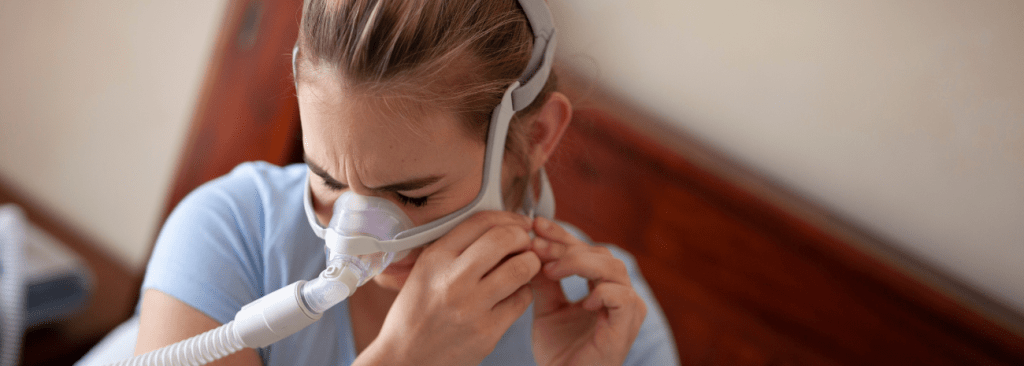
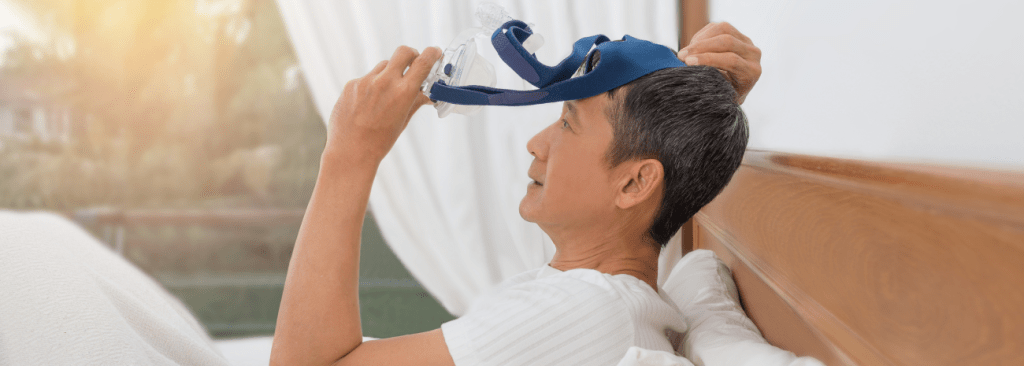
As daylight saving time rolls in, it’s not just the clocks that spring forward—that hour of sleep leaps right out the window, too! This can be a bit of a hiccup for anyone, but it can be an extra challenge for older adults and those battling sleep apnea. Fear not: we’ve gathered some strategies to help you adjust without missing a beat.

Shine with the Sun

Let’s talk about the magic of sunlight. Morning light is like nature’s alarm clock—it tells your body it’s time to wake up and get moving. Soaking in those early rays helps reset your internal clock to harmonize with the new time. When evening rolls around, dial down the artificial lights and give screens a rest to let your body know it’s time to wind down. This is a gentle nudge for your circadian rhythms, helping you adjust smoothly.

A Cozy Nest for Optimal Rest

Creating a sleep haven can make all the difference in the quality of your sleep. Think cool, dark, and quiet. Sticking to your treatment routine with your CPAP or Bi-Level machine is vital for healthy sleep for those with sleep apnea, but it’s not the only step you can take. Whether it’s investing in blackout curtains, exploring the soothing hum of a white noise machine, or otherwise ensuring your bedroom is a tranquil retreat, setting the stage for a peaceful slumber really works!

Sleep Hygiene: Your Nightly Rituals

Consistency is your best friend when it comes to sleep hygiene. Try to keep your bedtime and wake-up times steady, even when the temptation to sleep in a bit longer on weekends calls. Cultivate a pre-sleep ritual that relaxes you—maybe a warm bath, a good book, or some gentle yoga stretches. These acts signal to your body that it’s time to wind down and drift off to a healthy, restorative night’s sleep.

Nap Smart

Napping isn’t off the table, but think of it as a power-up — not a catch-up. Short, early afternoon naps can refresh you without spoiling your nighttime sleep appetite. Aim for those quick, rejuvenating 20-minute snoozes to recharge your batteries.

A Lifestyle That Loves Sleep

Good sleep hygiene doesn’t stop at the bedroom door; it’s a lifestyle! Your daily habits play a starring role in how well you sleep. Regular exercise, a nutritious diet, and hydration all support healthy sleep. Steer clear of known sleep saboteurs like heavy meals, caffeine, and alcohol.

A Friendly Reminder

Adjusting to daylight saving time doesn’t have to be a chore. With a bit of planning and some positive adjustments, it can be an opportunity to refresh your sleep habits and embrace the longer days with zest. Here’s to brighter days and restful nights ahead!

Rotech Plans Seamless Leadership Transition

ORLANDO, Fla. – Effective January 1, 2024, Tim Pigg has transitioned from the Chief Executive Officer (CEO) to Executive Chairman of the Board.  He has served in the CEO position for the past 10 years and various other leadership positions for a total of 40 years with Rotech.

In his new role, Pigg will continue to invest his time in the company’s major strategies and lobbying efforts.

Robin Menchen has advanced from the President and Chief Operating Officer (COO) to President and CEO for Rotech Healthcare Inc. (Rotech).  Menchen has also served as the company’s Chief Administrative Officer (CAO), VP of Compliance and various other leadership roles over the past 30 years.

“I have worked closely with Robin for over 2 decades and she has consistently demonstrated exceptional leadership, vision, and a deep understanding of Rotech’s goals and values. I am confident Robin, with the continued support of the executive team, will continue to drive our company’s success,” Pigg said, “It has been an honor and a privilege to serve as Rotech’s CEO, and I will cherish the memories and relationships I have forged during my tenure.”

Rotech is one of the largest providers of home medical equipment and related products and services (collectively referred to as “HME products and services”) in the United States, with a comprehensive offering of oxygen, other respiratory therapy equipment, wound care equipment and supplies, and diabetes devices and supplies. The Company provides HME products and services in 50 states through approximately 300 operating locations.

Handwashing: The Simplest Step to Better Health

What’s both incredibly simple and astonishingly powerful? Handwashing! The first full week of December is National Handwashing Awareness Week.  We’re here to dive into why this everyday activity is a game changer, especially for those of us managing chronic wounds or conditions like COPD and diabetes.

Why Handwashing is a Big Deal

You might be thinking, “It’s just handwashing, why does it matter?” It does! Handwashing is like your personal health guardian. It’s your frontline defense against germs that can lead to infections and other health complications.

For those with conditions like COPD or diabetes, your skin can be more vulnerable and your body may have a tougher time healing. This means that preventing infections through something as simple as regular handwashing can be a crucial part of managing your condition. It’s not just about cleanliness; it’s about maintaining your health stability. Each time you wash your hands, think of it as a positive, proactive step towards staying healthy and avoiding unnecessary complications.

In a world where health can be complex and challenging, handwashing is a straightforward, effective tool that everyone can use. It empowers you to take control of your health in a very real, tangible way.

The Science of Suds

When you have chronic conditions like COPD or diabetes, your immune system might be working overtime. This makes you more susceptible to infections. Germs are sneaky little things. They hitch a ride on our hands from everything we touch – door handles, medical equipment, even our phones (yep, they’re germ hotspots!). Washing your hands properly sends these germs down the drain, literally.

Washing Your Hands Like a Pro

Here’s the step-by-step to effective handwashing:

  • Wet your hands with clean, running water. Warm or cold? According to the CDC, both are equally effective!
  • Lather up with soap. Don’t forget the backs of your hands, between your fingers, and under those nails. Soap and friction help lift the dirt, grease, and microbes from your skin so they can be rinsed away.
  • Scrub for at least 20 seconds. Studies show that washing hands for 15-30 seconds removes more germs than washing for a shorter amount of time.
  • Rinse well under clean, running water.
  • Dry your hands using a clean towel or air dry them.

Hand Sanitizer: The On-the-Go Option

Can’t get to a sink? Hand sanitizer is your next best friend, as long as your hands aren’t visibly dirty or greasy. Just make sure it contains at least 60% alcohol. Rub it all over your hands until they’re dry, and voilà!

Integrating Handwashing into Your Routine

For home medical patients, integrating handwashing into your daily routine is vital. Before and after using any medical equipment, make it a habit. Washing hands before checking your blood sugar, putting on your CPAP mask, or handling your oxygen concentrator can prevent infections and keep your equipment in top shape.

In the grand scheme of things, handwashing is a small act, but it holds immense power in protecting your health. This National Handwashing Awareness Week, commit to keeping those hands clean. This simple step makes a world of difference in managing your health with confidence and ease!

Is it time for a CPAP Replacement?

Curious about CPAP Replacement? How do you know when it’s time to upgrade or replace your CPAP machine? If you’re reading this, there’s a good chance you’ve been using the same reliable CPAP machine for a few years. First, kudos to you for being committed to your sleep apnea therapy and taking charge of your health!

In this blog post, we’ll dive into why CPAP manufacturers recommend replacing your machine after around 60 months or five years. So sit back, relax, and let’s unravel this mystery together.

Reason 1: Improved Technology and Features

Like smartphones and televisions, CPAP machine technology has come a long way. Think of it as going from a flip phone to the latest iPhone. While your current CPAP machine might be doing its job, newer models incorporate advanced features that can enhance your overall therapy experience. From quieter operation to better humidification control, these updated machines bring a new level of comfort and convenience to your sleep apnea therapy.

Reason 2: Enhanced Therapy Effectiveness

As time passes, CPAP manufacturers continue to innovate and improve the performance of their machines. With each new iteration, they find ways to optimize therapy effectiveness, making it even more beneficial for users like you. By upgrading to a newer CPAP machine, you might experience better pressure delivery and smarter data tracking capabilities, contributing to more efficient and effective sleep apnea treatment.

Reason 3: Insurance Coverage and Reimbursement

Here’s the icing on the CPAP cake: most insurance companies recognize the importance of keeping up with technology. As a result, they offer coverage for CPAP machine replacement around the 5-year mark. That’s right – you might be eligible for a shiny new machine without breaking the bank. Why not use this opportunity to enhance your therapy? It’s a win-win situation!

Maintenance Tips:

Before you call us to upgrade your CPAP machine, let’s address an important point: Regular maintenance is critical to prolonging the lifespan of your CPAP equipment. So, you need to make sure to clean your mask, tubing, and humidifier chamber regularly to keep everything in tip-top shape. Also, remember to replace your filters and other accessories for optimal performance! By taking good care of your CPAP gear, you can maximize its longevity and make the most of your investment.

So, if you’ve been pondering whether it’s time to replace your trusty old CPAP machine, we hope we’ve shed some light on the benefits of upgrading. From improved technology and therapy effectiveness to potential insurance coverage, there are plenty of reasons to consider a fresh start with a new machine. Remember, your sleep apnea therapy should be a breeze, and upgrading your CPAP machine might bring that extra level of comfort and ease you’ve longed for. Sweet dreams and happy upgrading!


Interested in a CPAP upgrade? Want to learn more about our 60-month replacement program or find out if you’re eligible to replace your machine? Contact your Rotech location today!

Self-Care for Caregivers: Take care of YOU!

Caring for others is incredibly rewarding, but it can also be demanding and often goes unacknowledged. As a caregiver, it’s crucial to remember that taking care of yourself is just as important as taking care of your loved one. Finding the time amidst all the responsibilities can be challenging, but prioritizing self-care can prevent burnout and keep your stress levels in check. So, let’s explore some ways you can practice self-care as a caregiver:

Self-care is essential, but why?

Self-care is essential for everyone, but it’s especially crucial for caregivers. When you’re busy caring for others, neglecting your needs is easy. However, if you don’t care for yourself first, how can you provide quality care to your loved ones? Self-care keeps your mind sharp and your body healthy, enabling you to provide ongoing support and care.

Busting the Myths: Self–Care isn’t Selfish!

Self-care is not selfish. It’s essential for everyone, not just caregivers. Setting aside time for yourself might feel self-centered when you’re committed to someone else’s well-being. However, think of self-care as a necessary tool to recharge. By tending to your needs, you’re helping yourself and ensuring that you remain a resilient, effective caregiver.

How can caregivers take care of themselves?

Caring for yourself is vital for every caregiver to provide the best care possible. To stay healthy and well-rested, here are some self-care ideas for you:

Embrace the outdoors! Go for a walk or jog outside: Enjoy the fresh air and exercise—it’s good for your physical and mental well-being.

Indulge a little: A warm bath with aromatic oils, a massage, or even a simple manicure can do wonders.

Move your body: Discover the joy in activities like yoga, group workouts, or dance. They’re a celebration of what your body can do! Physical activity can reduce stress, anxiety, and depression, boost energy levels, and improve sleep quality. These are all things caregivers need!

Prioritize nutrition: A nourished body is a happy body. Include plenty of fruits and vegetables in your daily diet, and incorporate wholesome foods that make you feel good.

Get enough sleep: Aim for 7-8 hours of healthy, uninterrupted sleep every night. If you’re regularly waking up tired after a full night’s rest, snoring, or have excessive daytime sleepiness, talk to your physician. 

Take care of your mind and spirit:

  • Spend time with loved ones.
  • Engage in your favorite hobbies.
  • Listen to music.
  • Practice mindful self-talk.

Remember, caring for yourself is as important as caring for those you love. When you prioritize self-care, you’ll feel better and be more patient, understanding, and compassionate towards others. Self-care helps improve relationships and ensures you can continue providing the care and support your loved ones need.

We hope this post has provided you with valuable ideas on how to prioritize self-care as a caregiver. It’s important to acknowledge that you are not alone in this journey, and it’s okay if you can’t do everything all the time. The key is to make time for yourself whenever possible, even if it’s just a few minutes of quiet reflection at the end of the day. Despite the added challenges and responsibilities, caring for yourself will help you maintain your health, well-being, and sanity while supporting those around you. You’re doing an incredible job, and your well-being matters, too!

Is it Time for a CPAP Machine Upgrade?

Sometimes, our trusty CPAP machines show subtle signs that they’re ready to retire. While they can’t say, “Hey, buddy! Time for an upgrade,” they can hint that it’s time to enhance your sleep apnea therapy setup. In this post, we’ll explore a few clues that your CPAP or BiLevel machine might be nudging you toward an upgrade. Listen to these subtle hints and consider giving yourself the gift of enhanced comfort, updated technology, and more effective therapy!

When to Say Goodbye:

It’s essential to keep track of the age of your CPAP machine to ensure that you’re receiving the best possible therapy. As a general guideline, consider replacing your CPAP machine around the 60-month or 5-year mark. This timeframe takes into consideration the normal wear and tear that occurs over time, as well as advancements in technology that can improve your sleep apnea therapy experience. It’s also when most insurance companies will cover a replacement! Staying aware of the age of your machine and considering a replacement when necessary helps you to continue to reap the benefits of effective treatment.

Noisy Nights:

One of the telltale signs that it might be time for a CPAP machine upgrade is if your once-quiet machine has suddenly started disrupting your night with noise. Imagine hoping for a peaceful sleep, only to find your bedroom transformed into a soundstage for a high-budget blockbuster. Not only can the noise be annoying, but it could also be a sign that the internal components of your machine are wearing out. Remember, your CPAP machine should be helping you drift off to dreamland, not preventing it.

Humidifier Hibernation:

Using a CPAP machine with a humidifier brings the added perk of enjoying soothing, moist air while you slumber. Are you refilling the humidifier tank less often than you used to? It might indicate that your machine’s humidification system isn’t functioning as efficiently as before. Just like a plant, our bodies need hydration! If your CPAP machine isn’t delivering the moisture it once did, consider an upgrade with better humidification capabilities.

The Regression Conundrum:

Picture this: you’ve been faithfully using your CPAP therapy for months or years and feeling great. But suddenly, you feel more fatigued, experiencing increased daytime sleepiness or snoring like a chainsaw again. If you feel like you’re slipping back into old sleep apnea habits, it’s a clear sign that it might be time to consider a machine upgrade. Your health and well-being should never take a step backward!

When it comes to your sleep therapy, you deserve the best of the best. Any of these signs might be your CPAP machine’s way of urging you towards an upgrade that can positively change your sleep quality and overall well-being. By heeding these subtle hints and considering a new machine, you can enhance your comfort, improve therapy effectiveness, and possibly receive insurance coverage for the upgrade. Want to learn more or check your eligibility? Contact your nearest Rotech location!

CPAP Compliance: What New Patients Need to Know

Sleep apnea can be a disruptive and even life-threatening condition. Untreated sleep apnea can lead to a plethora of health complications. When your body doesn’t get enough oxygen during sleep due to repeated airway blockages, it can cause long-term damage. People with untreated sleep apnea are at an increased risk for hypertension, heart disease, diabetes, chronic fatigue and mood disturbances. They’re also at higher risk for more severe outcomes like stroke or sudden cardiac death. Interrupted sleep often leads to daytime sleepiness, which can contribute to accidents on the road or at work, cognitive difficulties, and reduced quality of life.

Continuous Positive Airway Pressure (CPAP) therapy offers a lifeline for sleep apnea patients. It delivers a steady stream of air to keep the airway open during sleep. Patients often experience an immediate improvement in sleep quality, daytime alertness, and overall well-being. Over the long term, consistent PAP therapy can reduce many risks of untreated sleep apnea. 

The key is not just having the machine but using it consistently. Continuous Positive Airway Pressure (CPAP) therapy is one of the most effective treatments for Obstructive Sleep Apnea. However, for the treatment to be successful, CPAP compliance is crucial. But what exactly does CPAP compliance mean, and why is it so important? 

Understanding CPAP Compliance

CPAP compliance refers to the consistent and correct use of your CPAP machine. To make the therapy effective, patients must use the device at the prescribed settings every night. Both Medicare and most insurance plans have a compliance standard that patients must meet, especially during the initial phase of treatment.

To be considered compliant, here’s what you should do:

Regular Usage: Use your device for a minimum of 4 hours every night and ensure this happens for at least 70% of the nights every month.

Follow-up: Schedule and attend a follow-up appointment with your doctor between the 31st and 90th day of your treatment. During this visit, your physician will take a look at your CPAP use and ensure you benefit from the therapy.

Quick Tip! Most CPAP problems have solutions! If you’re struggling to use your CPAP machine consistently, communicate any issues to a sleep coach or your medical provider so they can be addressed!

Why Compliance Matters

With consistent use, you’ll avoid the recurrence of sleep apnea symptoms and could also avoid complications with your insurance coverage.

Insurance companies want to make sure you’re using the device and it’s effectively treating your sleep apnea before they’ll pay for the treatment or for additional supplies.

If you don’t meet your plan’s compliance guidelines, you might have to restart the entire process of treating your sleep apnea, or even pay for the device yourself. That means additional doctor’s visits, completing another sleep study, having your doctor prescribe PAP therapy all over again, and additional cost to you.

How Rotech’s SleepWELL™ Program Helps

Understanding and maintaining compliance can seem daunting. This is where Rotech’s SleepWELL™ Program comes into the picture. We guide you every step of the way, working with you and your physician to ensure you’re positioned for success.

State-of-the-Art Technology: With SleepWELL™, you’re assured of cutting-edge technology and equipment. Each CPAP machine from Rotech is equipped with a modem (cellular or Wi-Fi) that meticulously tracks and records your usage. This data can be conveniently downloaded and shared with your doctor, simplifying compliance documentation. Depending on your machine, an app may also be available to see your sleep data and receive instant feedback and coaching.

Customized Support: As a SleepWELL™ patient, you’ll receive tailored support from our specialists. The critical first 90 days of treatment are when most patients need assistance, and that’s when our Clinical Compliance Tracking Team will be most actively involved, monitoring your progress and helping you meet compliance standards.

CPAP compliance is more than a guideline or a bar for you to clear; it ensures effective sleep apnea treatment. With a robust support system like Rotech’s SleepWELL™ Program, you’re equipped with the best tools and a dedicated team ensuring you get the restful night’s sleep you deserve. Consistency is key, and with the right support, healthier sleep is no longer just a dream!

Summer Strategies for COPD Patients: Maximizing Fun and Minimizing Exacerbations

The sun is out, the weather is warm, and it’s time to get outdoors to enjoy the sunshine and fresh air. However, the summer months can present unique challenges for individuals with chronic lung diseases like Chronic Obstructive Pulmonary Disease (COPD). Coping with the heat, humidity, and potential triggers can be overwhelming. Still, with proper planning, you can make the most of the season while prioritizing your respiratory health. Here are nine tips to help you have a safe, healthy, and fun summer.

Stay Hydrated:

Hot weather can lead to dehydration. When your body is dehydrated, your airways become dry and inflamed, and your body can create more mucus, putting you at risk for an exacerbation. Make it a habit to drink plenty of fluids throughout the day, preferably water, to keep your body well-hydrated. Limit or avoid beverages containing caffeine or alcohol, which can contribute to dehydration.

Plan Outdoor Activities Wisely:

Enjoying the outdoors is one of the best parts of summer. Plan your activities during the cooler parts of the day, typically early morning or evening. Avoid going out during the hottest hours, usually between 10 a.m. and 4 p.m., when high temperatures and increased pollution levels can strain your lungs. Try to find shaded areas or carry an umbrella to shield yourself from direct sunlight.

Dress Appropriately:

Choose lightweight, loose-fitting clothing made from breathable fabrics like cotton or linen. These materials allow air circulation, preventing excessive perspiration and discomfort. Additionally, wear a wide-brimmed hat and sunglasses to protect yourself from harmful UV rays.

Manage Indoor Environments:

Ensure your indoor environment is comfortable and conducive to easy breathing. Keep your living space well-ventilated, use air conditioning or fans to maintain a cool temperature, and consider using air purifiers to minimize indoor pollutants. Avoid exposure to strong chemical odors or irritants, such as paint or cleaning products, which can trigger respiratory symptoms.

Stay Informed about Air Quality:

Keep track of the air quality index (AQI) in your area, as high pollution levels can worsen COPD symptoms. Several smartphone applications and websites provide real-time air quality information. If the AQI is poor, consider adjusting your plans or staying indoors to reduce exposure.

Carry Medications and Emergency Contacts:

Always carry your prescribed medications with you, including inhalers and any additional medications recommended by your healthcare provider. Ensure you have an emergency contact list, including your healthcare professional’s phone number, the number of your local Rotech office, and local emergency services.

Seek Shade and Take Breaks:

During outdoor activities, take regular breaks to rest and seek shade. Overexertion and excessive heat can strain your respiratory system. Listen to your body and pace yourself accordingly!

Avoid Smoke and Other Triggers:

Smoke, including smoke from grills, barbecues, or fireworks, can worsen COPD symptoms. Stay away from areas where smoking is permitted, and avoid exposure to secondhand smoke. Similarly, be cautious around strong fragrances, chemicals, and other known triggers that can irritate your lungs.

Prioritize Self-Care:

Self-care isn’t selfish, it’s allowing you to be the best version of yourself! Prioritize self-care to maintain your overall well-being. Get adequate rest, eat a healthy diet, and find things you enjoy that promote relaxation and reduce stress.

Traveling with your CPAP: the Ultimate Guide

Once you’re used to your CPAP, you don’t want to sleep without it — no matter where you might be. Going without your sleep apnea treatment will bring back the snoring, headaches, and daytime exhaustion that caused you to seek therapy for sleep apnea in the first place! Luckily, there are plenty of tips and tricks to help make your next trip as smooth as possible. Read on for everything you need to know about traveling with your CPAP machine.

How do I pack my CPAP for travel?

Carry your CPAP with you! Most CPAP devices come with a travel bag, which is the best way to pack your CPAP machine and equipment. When you pack up your CPAP, make sure you’ve thoroughly emptied and dried out your humidifier water chamber and included your power cord.

Do not check your CPAP as baggage or place it in your checked luggage. Not only can baggage handling be rough on a device, but if your luggage is lost, so is your CPAP! Cruise ships and domestic passenger trains also ask that you carry on your CPAP and keep it with you.

The Air Carrier Access Act prohibits discrimination on the basis of disability in air travel. It applies to all flights by U.S. airlines and flights to or from the U.S. by foreign airlines. Your CPAP is an assistive device, which means you can bring it on an airplane and stow it in an overhead compartment or under the seat in front of you. Assistive devices do not count towards the airline’s baggage limit if the bag does not contain additional personal items. Learn more about air travel with an assistive device and your rights in Air Travel with an Assistive Device, from the U.S. Department of Transportation.

Make sure your device is packed separately from your other baggage items, and the only things packed with it are necessary accessories. Some airlines (especially budget carriers that typically charge for carry-ons) may check to verify that your assistive device is the only thing in its bag.

Additionally, you’ll want to bring a copy of your prescription. Having your prescription with you can be vital if you get to your destination and something breaks or you need a crucial accessory. Being prepared with your prescription will help you be able to get any replacement CPAP equipment pieces.

How do I get through airport security with my CPAP?

All travelers are required to undergo screening at the TSA checkpoint. CPAPs, Bi-level or BiPAP machines, and APAPs must be removed from their carrying case and put through the X-ray machine. Your tubing, power cord, and masks can stay in the case. If you’d like, you can provide a clear plastic bag to put your CPAP device in for x-ray screening.

While most screening agents are very familiar with CPAPs, you still might find it convenient to add a tag that says MEDICAL DEVICE to your bag.

If a TSA agent requests to inspect your machine or swab it for explosives, you have the right to request that they change to new gloves. You may also ask inspectors to clean the surface they will use to inspect your CPAP.

Do I have to take out my CPAP if I have TSA Precheck?

Generally, travelers do not need to remove CPAPs from carry-on bags in TSA PreCheck lanes. However, checkpoint officers will provide guidance if they need to perform additional screening on your device.

If the agent asks you to remove your machine, you’ll need to send it through the scanner on its own. Additionally, if TSA PreCheck lines are unavailable, you must go through the standard security screening.

Do I have to tell the airline about your CPAP machine?

If you plan on using your CPAP on board, you most likely need to notify your airline at least 48 hours before your flight. There may also be seating restrictions based on FAA rules. In addition, in-seat electrical power is not always available on every aircraft or in every seat. You may need to bring external batteries with you to power your device. Check with your carrier well before your trip to find their specific regulations.

Can I cruise with my CPAP?

Yes! Cruise lines are very familiar with CPAP users. Major lines have disability departments that can assist you with whatever you need. Most cruise lines will provide you with an extension cord and distilled water. Many (including Royal CaribbeanCelebrityNorwegian, and Disney) allow you to request these accommodations when you book or before your departure date. Check with your cruise line to confirm their policies and procedures. Many cruisers like to bring a roll of gaffer tape (available from retailers like Amazon or Home Depot) to tape down their extension cord in their cabin and reduce the likelihood of tripping over it!

Can I travel with water for my CPAP humidifier?

You can bring water, but if you’re carrying it on with your CPAP device, it must be in a sealed container of 3.4 ounces or less and fit in a quart-sized baggie.

You should be able to purchase distilled water at most destinations. Suppose you’re not planning on driving or stopping at a grocery store or pharmacy. In that case, delivery services like Instacart, Shipt, Postmates, and Doordash will often deliver distilled water and anything else you need (fees and upcharges may vary). 

If you need additional water for your CPAP humidifier, you can also pack it in your checked luggage. Some larger resorts may also have distilled water available for purchase or use. Housekeeping departments often use it for irons and steamers — it never hurts to ask!

How do I clean my CPAP while traveling?

Even away from home, cleaning your CPAP mask and accessories is crucial. Keeping your mask and accessories clean is essential for effective sleep therapy!

If you have access to a bathroom at your destination, you’re good to go! Clean your equipment the same way you do at home, with warm water and mild, non-fragrant soap. If you have room, hang your tubing over a towel rack or shower rod to dry.

Many products are available to make CPAP equipment cleaning easier on the go. Wipes, sprays, and mask and accessory sanitizers can all help ensure your equipment is squeaky clean no matter where you are.

What other travel accessories do I need?

Make sure you pack your machine’s power cord, and you may also want an extension cord. Not all outlets are convenient, so this can help make sure you can sleep well — in regards to your CPAP — in any hotel room, rental home, or relative’s house. (We can’t guarantee the comfort of Aunt Mildred’s guest room bed, but at least you’ll be able to sleep healthfully!)

Traveling internationally? Your CPAP machine should have a label that tells you the acceptable power inputs. Check the voltage and the hertz at your destination to ensure they’re compatible with your machine! While most modern CPAP machines are dual voltage, you’ll still need a country-specific adapter.

It’s also a good idea to keep a CPAP battery like the Portable Outlet or another backup power on hand when you travel, whether for use in-flight or at your destination.

Bon Voyage!

Wherever your journeys bring you, we hope this guide helps you travel confidently with your CPAP!

COPD: Strategies for a Happy Holiday

How do you have happy holidays when you’re dealing with COPD? For many people with COPD or other chronic lung diseases, it can seem difficult to make things merry during this time of year. Research shows that COPD exacerbations tend to increase during the holiday season1. We’ll go over some important COPD holiday strategies to help make sure your holidays are happy and healthy.

Take Care of Yourself

If you use supplemental oxygen or take medications, make sure you have an adequate supply. Remember that holiday closures and inclement weather may make getting additional tanks of oxygen or a trip to the pharmacy challenging, and travel plans can unexpectedly change. Plan ahead if you can!

Wash your hands frequently: before and after eating, when using the restroom, and when touching high-contact surfaces like door handles. Talk to your physician and make sure you’re up-to-date on any doctor-recommended vaccinations, including your flu shot!

Dress for the weather

Cold weather and COPD aren’t a good mix. Extremely cold temperatures can narrow airways, leading to a cascade of events that might increase difficulty breathing, mucus production, coughing, and more2. If outdoor activities are a must, schedule them for warmer times of the day. Continue to monitor air quality before you head outside. While family members may vacation during the holidays, air pollution doesn’t.

Wearing a scarf or mask on your face can help warm up air before you breathe it into your lungs. Stay warm, dress for the weather, and don’t spend time outside if temperatures are low.

Enjoy, but don’t overindulge

Turkey, ham, prime rib, and all those side dishes, beloved holiday desserts and cookies! While an occasional treat or indulgence is fine, eating mostly healthy foods in small portions will help keep your body healthy and happy. Avoid gas-producing foods that might contribute to a bloated feeling and make breathing uncomfortable. If your COPD makes it hard to eat a full meal, dine slowly; take small bites and chew your food thoroughly. Eat more frequent, smaller meals instead of two or three large ones during the day.

If you’ve been prescribed continuous oxygen therapy, make sure you wear your cannula while eating. Eating and digestion both require energy, and your body needs oxygen for that!

Get enough rest

It’s tempting to stay up later than normal or push yourself to attend just one more gathering, but not getting enough sleep or allowing yourself to overdo it can leave you run down and even more susceptible to illness or exacerbations. Make sure you’re getting enough rest, and if you feel fatigued or overwhelmed, don’t be afraid to leave an activity or event.

Watch for exacerbation triggers

From baking gingerbread to newly cut Christmas trees, or maybe the freshly-bleached scent of a well-scrubbed house, the holidays bring with them a lot of scents. Even when they’re pleasant, scents can make you cough, wheeze, have more shortness of breath than usual, and increase COPD exacerbations. Know how strong scents affect you, and have a plan to deal with them if necessary.

Wood smoke from stoves and fireplaces can also cause you to cough and have trouble breathing. Burning wrapping paper can release toxic chemicals into the air. If you want a fire lit for some atmosphere, an alternative might be an electronic fireplace, a display of unscented candles, or maybe even a yule log video on television.

Having Happy Holidays with COPD

While living with COPD may require you to make some changes to your holidays, staying healthy and continuing to manage your condition is worth it so there are many more holiday seasons to come! Use these simple strategies to maximize your lung health, make new memories and enjoy the holiday season!

[1]: Johnston NW, McIvor A, Lambert K, et al. The Christmas season as a risk factor for chronic obstructive pulmonary disease exacerbations. Can Respir J. 2010;17(6):275-281. doi:10.1155/2010/460532

[2] D’Amato, M., Molino, A., Calabrese, G. et al. The impact of cold on the respiratory tract and its consequences to respiratory health. Clin Transl Allergy 8, 20 (2018). https://doi.org/10.1186/s13601-018-0208-9

For billing questions or insurance updates, click the NEW chat icon in the lower right — we’re here to help!