


A wound can start small and still become stressful when it does not seem to be getting better.
Maybe a sore has been slow to close. A wound has more drainage than usual. Or maybe you are helping a parent, spouse, or loved one keep track of dressing changes, supplies, and instructions from several providers.
Wound care at home can feel like a lot to manage, especially when you are not sure what changes are expected and what should be reported. The most important step is to follow your healthcare provider’s wound care plan and ask questions when something does not seem right.
With the right instructions, wound care supplies at home, and support, patients and caregivers can feel more prepared to manage daily wound care routines.
When Should You Ask for More Help with a Wound?
Contact your healthcare provider if a wound is not improving, becomes more painful, has more redness or swelling, has increased drainage or odor, or if you notice fever or other concerning symptoms.
You should also ask for help if you are unsure how to use wound care supplies, if supplies are running low, or if dressing changes are becoming difficult to manage at home. The right wound care supplies and support can help you follow your provider’s care plan more consistently.
Why Some Wounds Take Longer to Heal
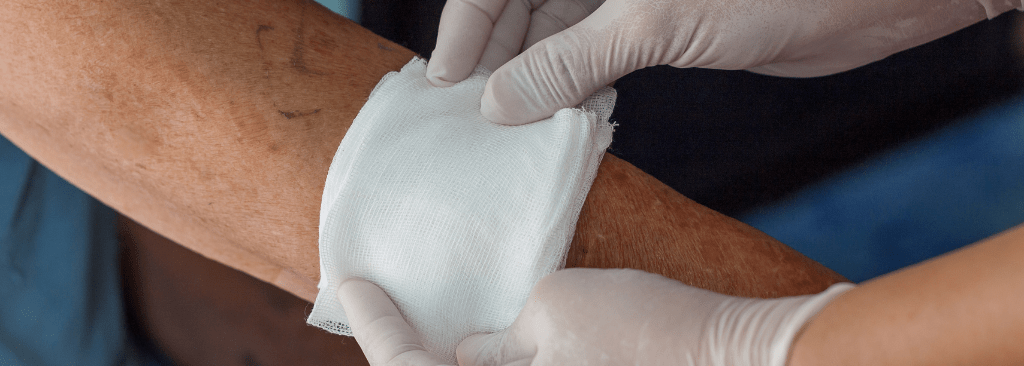
Not every wound heals at the same pace. Some wounds may take longer because of where they are on the body, how much pressure is placed on the area, how much drainage is present, or whether another health condition affects healing.
A wound may also need more support if the skin is fragile, if circulation is poor, or if the person has diabetes or limited mobility. For caregivers, it can be helpful to keep notes about how the wound looks, how often supplies are being changed, and whether anything seems different from day to day.
Your healthcare provider can help determine why a wound is healing slowly and whether the care plan needs to change.
Signs a Wound May Need Medical Attention
Some wound changes should be shared with a healthcare provider promptly. Do not try to diagnose the problem yourself, but do pay attention to changes.
Contact your provider if you notice:
- More redness, warmth, or swelling around the wound
- Increased pain or tenderness
- More drainage than usual
- Drainage that changes color or has an odor
- A wound that appears larger or deeper
- Skin around the wound that becomes darker, fragile, or irritated
- Fever or chills
- A wound that is not improving as expected
- Supplies that are not working well or are difficult to use
- Any change that feels concerning or unusual
If symptoms feel severe or urgent, seek emergency medical care.
Common Types of Wounds That May Need Extra Support
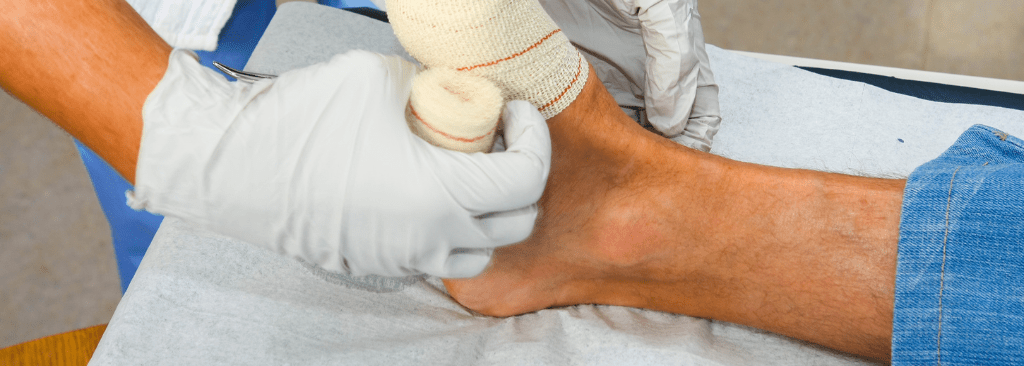
Some wounds are more likely to need ongoing care, specific supplies, or additional support at home.
These may include:
- Pressure sores or pressure ulcers: These can develop when pressure stays on one area of the body for too long, especially for people who sit or lie in one position for extended periods.
- Diabetic foot ulcers: People with diabetes may be at higher risk for wounds on the feet, especially if they have changes in feeling, circulation, or skin health.
- Wounds with heavy drainage: Some wounds require dressings that can help manage moisture and protect surrounding skin.
- Surgical wounds: Some surgical wounds need continued dressing changes or monitoring after a patient returns home.
- Burns or skin grafts: These wounds may require specific care instructions and supplies.
- Slow-healing wounds: A wound that does not seem to improve may need more attention from a healthcare provider.
No matter the wound type, always follow your provider’s instructions for cleaning, dressing changes, and activity limits.
Wound Care Supplies That May Be Used at Home
Wound care supplies at home can vary depending on the wound, the amount of drainage, the provider’s instructions, and the patient’s overall care plan.
Supplies may include:
- Gauze
- Tape
- Wraps
- Dressings
- Hydrogels
- Gelling fibers
- Hydrocolloids
- Negative Pressure Wound Therapy supplies, if prescribed
- Skin protection products, if recommended by the care team
It is important to use supplies as directed. A dressing that works well for one wound may not be right for another. If a dressing is not staying in place, drainage is leaking through, or you are unsure whether you have the right supplies, contact your healthcare provider or wound care team.
If you need help understanding available wound care products and support, you can learn more about our wound care supplies and services.
What Is Negative Pressure Wound Therapy?
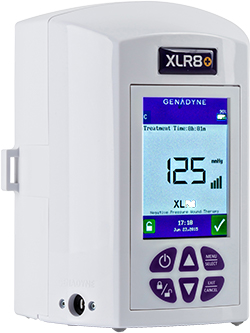
Negative Pressure Wound Therapy, often called NPWT, is a wound treatment that may be prescribed for certain types of wounds.
In general terms, NPWT uses a sealed dressing and a pump to create gentle negative pressure around the wound. This type of therapy may be used for certain wounds that need additional support, such as wounds with significant drainage, diabetic ulcers, burns, skin grafts, or wounds that are slow to heal.
NPWT is not something patients should start on their own. It should be ordered and managed under the direction of a healthcare provider. If NPWT is part of your care plan, make sure you understand:
- How the device should be used
- How often dressings should be changed
- What supplies you need to keep on hand
- Who to call if the pump alarms
- What changes should be reported to your provider
If you already use NPWT and need additional supplies, our NPWT Resupply Request page can help you start the request process.
How Caregivers Can Help with Wound Care Routines
Caregivers often play an important role in helping wound care stay organized at home. You do not need to have all the answers, but it helps to have a clear system.
Caregivers can help by:
- Keeping wound care supplies in one clean, easy-to-find place
- Following the provider’s dressing change instructions
- Writing down when dressings are changed
- Watching for changes in pain, drainage, odor, redness, or swelling
- Making sure supplies are reordered before they run low
- Keeping provider and supply contact information nearby
- Asking questions when instructions are unclear
- Helping the patient keep follow-up appointments
It may also be helpful to take notes during appointments, especially if more than one person helps with care. A simple notebook or phone note can make it easier to track instructions, supply needs, and questions for the next visit.

Nutrition, Hydration, and Wound Healing Support
Food and fluid intake can play a role in overall health and healing, but every patient’s needs are different.
If you are managing a slow-healing wound, ask your healthcare provider whether nutrition or hydration guidance should be part of your care plan. This is especially important for patients with diabetes, kidney disease, heart failure, swallowing concerns, or other medical conditions that may affect diet recommendations.
Caregivers should avoid making major diet or supplement changes without checking with the healthcare provider first.
What About Debridement?
Some wounds may need help removing unhealthy or dead tissue so healing can continue. This process is called debridement.
Debridement should be done or directed by a qualified healthcare professional. If your provider mentions debridement, ask what to expect, how the wound should be cared for afterward, and what supplies you may need at home.
Do not try to remove tissue from a wound unless your healthcare provider has specifically instructed you to do so.

How Rotech Supports Wound Care at Home
At Rotech, our goal is to help patients and caregivers feel more supported while managing wound care at home.
We provide wound care supplies, advanced dressing options, Negative Pressure Wound Therapy solutions, delivery support, ordering support, and wound care resources for patients and caregivers. Our team can also help with supply questions and connect you with the appropriate local resource when you need support.
You can also visit our Wound Care Resources page for patient and caregiver information, including resources on skin health, pressure ulcers, sores that will not heal, infection, diabetic foot ulcers, debridement, and wound care basics.
Frequently Asked Questions
What are signs a wound needs medical attention?
Contact your healthcare provider if a wound is not improving, becomes more painful, has more redness or swelling, has increased drainage or odor, or if you notice fever, chills, or other concerning symptoms. If symptoms feel severe or urgent, seek emergency medical care.
Why is my wound taking so long to heal?
A wound may take longer to heal for many reasons, including pressure on the area, drainage, circulation problems, diabetes, infection concerns, nutrition needs, or other health conditions. Your healthcare provider can help determine what may be affecting healing and whether your care plan needs to change.
What wound care supplies might be used at home?
Wound care supplies may include gauze, tape, wraps, dressings, hydrogels, gelling fibers, hydrocolloids, or Negative Pressure Wound Therapy supplies if prescribed. The right supplies depend on the wound and your provider’s instructions.
What is Negative Pressure Wound Therapy?
Negative Pressure Wound Therapy, or NPWT, is a treatment that may be prescribed for certain wounds. It uses a sealed dressing and a pump to create negative pressure around the wound. If NPWT is part of your care plan, your healthcare provider or wound care team should explain how to use it, when to change supplies, and who to call with questions.
How can caregivers help with wound care at home?
Caregivers can help by keeping supplies organized, following dressing change instructions, tracking wound changes, reordering supplies before they run low, and knowing when to call the healthcare provider. Caregivers should also ask questions when instructions are unclear.
Get Support for Wound Care Supplies
Managing wound care at home is easier when you have clear instructions, the right supplies, and a support team you know how to reach.
If you or a loved one needs help with wound care supplies, NPWT support, or local wound care resources, our team can help guide you to the right place.