

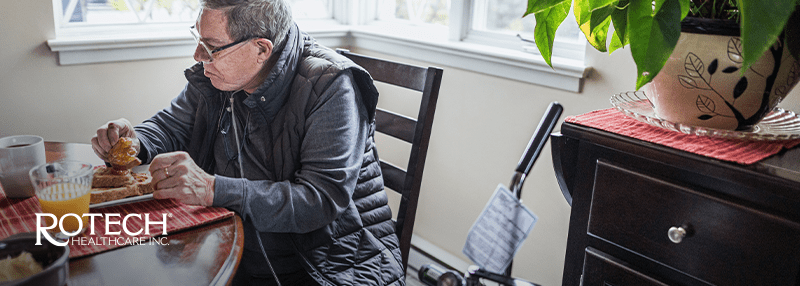
Using oxygen therapy doesn’t mean putting your life on pause. Whether you’re hosting guests, preparing meals, or heading out of town, it’s absolutely possible to stay safe and enjoy every moment, with just a little planning.
Oxygen itself isn’t flammable, but it can make fires burn faster and hotter. That’s why it’s important to take precautions around common everyday risks like candles, stovetops, and extension cords. With more people moving around the house or changes in your daily routine, the chance for accidents increases, but most of these risks are easy to avoid once you know what to look out for.
Here are some simple but powerful ways to stay safe with your oxygen therapy, no matter where life takes you.
Why Extra Safety Measures Matter with Oxygen Therapy
Even though oxygen isn’t a fire starter on its own, it dramatically increases how fast flames can spread. That’s why everyday situations like lighting candles or cooking on a gas stove need special attention when oxygen is nearby.
Some of the most common risk factors include:
- Open flames (candles, fireplaces)
- Overcrowded kitchens or busy cooking areas
- Decorative lights and overused extension cords
- More people and pets moving through the home
- Changes in your daily routine, like travel or being in unfamiliar spaces
These situations can lead to accidents or even emergencies if your oxygen setup isn’t properly protected, but with the tips below, you’ll be set up for safety and peace of mind.
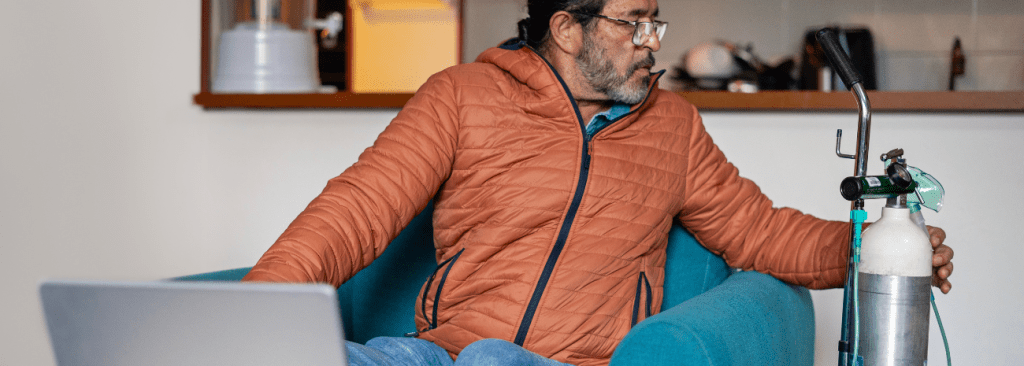
7 Oxygen Safety Tips for Daily Life, Visitors, and Travel
These tips are simple but powerful ways to keep your home, your guests, and your oxygen therapy safe all year long.
1. Be Candle Careful
Candles make add a cozy ambiance, but they’re risky with oxygen therapy. Even a small votive placed too close to your equipment can create a serious hazard.
Try this instead:
- Use flameless LED candles for a cozy glow without the risk.
- Try oil diffusers or wax warmers for scent instead of open flames.
- Keep your oxygen tanks and tubing at least 6–10 feet away from any heat source.
2. Cook With Caution
The kitchen can be one of the most dangerous areas when using oxygen.
Tips for safe cooking while using oxygen:
- Don’t wear your nasal cannula while standing or behind over a stove or open flame.
- Use back burners when possible, and turn pot handles inward to avoid knocking anything over.
- Ask someone to help with high-heat or multitask-heavy recipes.
3. Skip the Fire (or Keep Your Distance)
Fireplaces, fire pits, and grills are amazing, but dangerous near oxygen.
Make it safer:
- Keep your oxygen equipment and tubing at least 6 feet away from the fireplace.
- Use electric fireplaces or faux flame decor as a substitute.
- Make sure tubing isn’t dangling near any hot surface or spark source.
4. Talk to Your Guests
It might feel awkward to say something about it, but a quick heads-up to visitors can go a long way in preventing accidents and keeping everyone safe.
Conversation tips include:
- Let visitors know where your oxygen equipment is located. Some guests might not understand what it is even if they see it.
- Kindly ask guests to not smoke or light candles inside.
- Place a friendly sign near the entrances or oxygen zones as a reminder, especially if you’re hosting family or throwing a gathering.
5. Decorate Smart
Decor and cords are in nearly every area of your home, but they can become a trip or fire hazard around oxygen.
Here is what to watch for:
- Keep blankets, curtains, or furniture covers away from equipment vents or tubing.
- Don’t overload your electrical outlets, especially where oxygen concentrators or humidifiers are plugged in.
- Keep all the walkways clear of rugs, cords, or clutter that could dangle with tubing.
- Avoid plastic decor items (like faux plants, garland, or display pieces) near oxygen equipment, as many of these plastics are highly flammable and can ignite more easily in oxygen-rich environments.
6. Plan Ahead for Travel
Traveling with oxygen is absolutely doable; you just need to start preparing for it early.
Before your trip:
- Contact your oxygen provider to arrange delivery or portable oxygen concentrators.
- If you’re flying, ask your provider about documentation and airline requirements.
- Pack smart:
- Extra batteries and chargers
- Backup tubing and nasal cannulas
- Power adapters for your car, hotel, or destination
Rotech has locations across the country and can help coordinate oxygen support wherever you go.
7. Know Your Emergency Plan
From storms to delays, having a backup plan gives you peace of mind.
Emergency must-haves:
- Know how long your backup oxygen tanks last and check the expiration dates.
- Store tanks upright, in a ventilated space away from heat.
- Keep emergency contact numbers (including Rotech’s) somewhere visible.

Need Help With Oxygen Supplies or Travel? We’re Here!
Whether you’re welcoming guests, heading out of town, or just want to double-check your setup, Rotech is here to support your oxygen needs. We make it easy to:
- Order new oxygen supplies and accessories
- Arrange travel equipment and portable oxygen concentrators
- Coordinate delivery across the U.S.
- Get answers to your oxygen safety questions
Reach out at least two weeks before your trip if you’ll need equipment setup at your destination.
Quick Recap
- Avoid flames and heat sources near oxygen
- Cook carefully and skip the cannula near the stove
- Communicate with guests and caregivers about safety
- Keep walkways and outlets clear of clutter
- Plan ahead for travel and emergencies
- Reach out to Rotech with questions or support needs
Your therapy should never hold you back from the people, places, or moments you care about.